




Seven Feathers Truck & Travel Center Opens 87-Space Truck Parking Lot
Seven Feathers Truck & Travel Center in southern Oregon opened a new 87-space parking area designed for long-haul commercial carriers on the I-5 corridor
Seven Feathers Truck & Travel Center in southern Oregon opened a new 87-space parking area designed for long-haul commercial carriers on the I-5 corridor.
The installation of electrical service, part of the new parking lot's design, will happen during the first quarter of 2012. Twenty units will be installed, and each wil accommodate up to four trucks. Already installed is an Aeronvironment car charging pedestal that will be powered up within the next month. Additionally, a proprietary Tesla electric charger is at the location.
"We're now able to park 172 trucks at Seven Feathers Truck & Travel," says Don Baglien, general manager of Seven Feathers Truck & Travel Center. "This is a big plus. After all, we're a truck stop and servicing professional long haul carriers' needs is our business. This parking lot allows us to support more than twice as many of those professionals and we're proud of that."
To get to the new parking lot, truckers heading south take Exit 99 off I-5 and turn left at the end of the exit ramp, proceeding to Seven Feathers Truck and Travel Center. Truckers heading north on I-5 also take Exit 99, take a left at the end of the exit and drive under the I-5 overpass to Seven Feathers Truck Travel Center. Truckers can either pull their cab nose in or back in to an available space.
Seven Feathers Truck & Travel Center is owned by the Cow Creek Band of Umpqua Tribe of Indians.
More Drivers
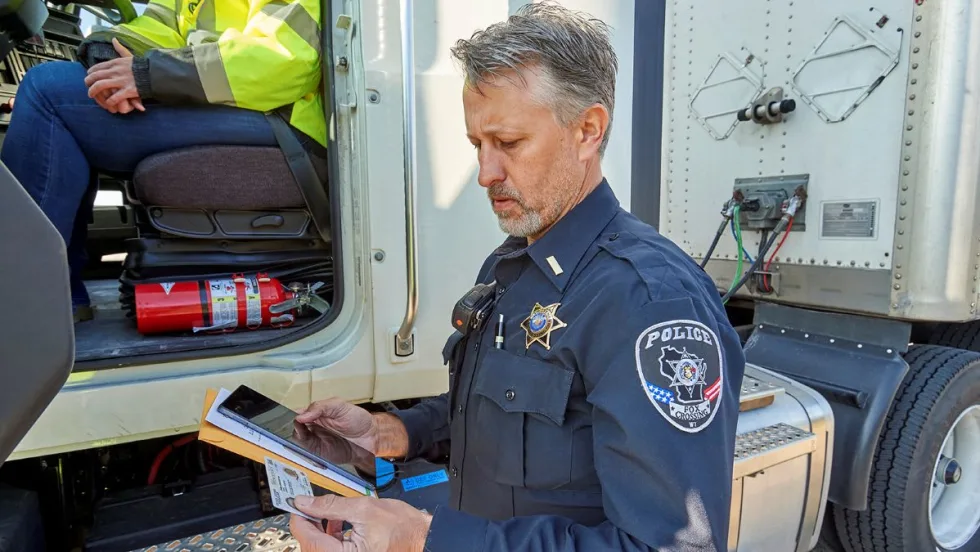
When Language Stops the Truck: The Return of ELP Out-of-Service Orders
English language proficiency rules for commercial drivers aren’t new, but renewed out-of-service enforcement has raised the stakes. Here’s what carriers need to know before a driver reaches a roadside inspection.
Read More →
Samsara Launches Custom AI Agent Builder
Agent Studio lets fleets create AI tools for hours-of-service monitoring, reporting and driver support, including agents that communicate by phone.
Read More →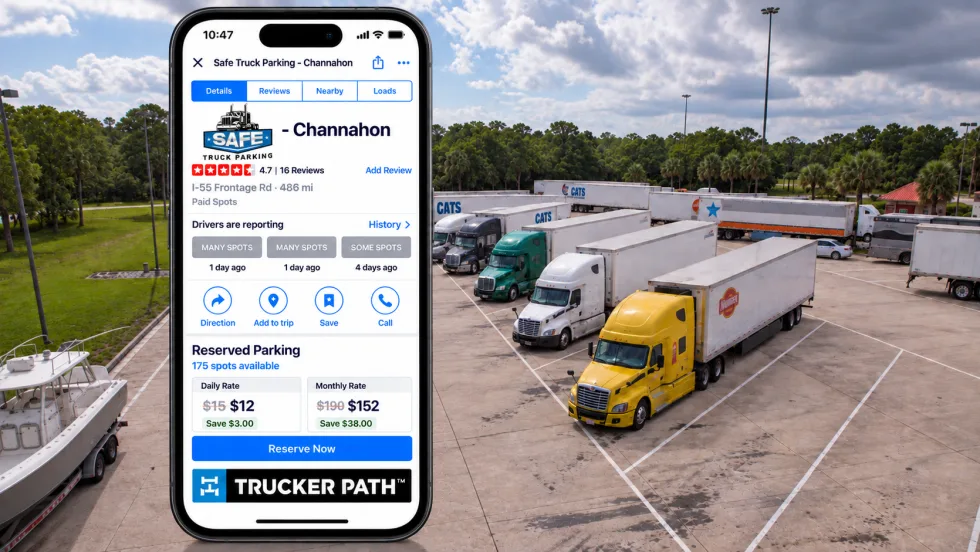
Trucker Path Expands Reserved Parking Network
Trucker Path has added close to 6,000 more truck parking spaces to its Trucker Path Reserved Parking Network with the addition of Safe Truck Parking.
Read More →
EEOC Sues Texas Trucking Company Over Driver Age Limits
The agency says Trancasa USA rejected applicants over 65 and applied tougher driving-record standards to those over 60.
Read More →
Nussbaum, Roehl Announce Second Driver Pay Increase This Year
This year has seen a swath of major truck driver pay increases as freight capacity has tightened.
Read More →
From One Generation to the Next: How Mentorship Builds Safer Truck Drivers
After three decades in trucking, Harold Perry shares what he's learned about driver safety, mentorship, and helping the next generation build confidence behind the wheel.
Read More →
Truck Drivers Need More Than Another Alert
Fleets have more visibility into truck health, safety events, and driver activity than ever. The next challenge is turning all that information into useful guidance for the person who has to decide what to do next.
Read More →
FMCSA Removes 110 Truck Driver Training Schools from Certified ELDT List
Federal regulators also are targeting more than 160 additional training providers and launching a nationwide audit of third-party CDL skills testers as part of a broader crackdown on trucking fraud.
Read More →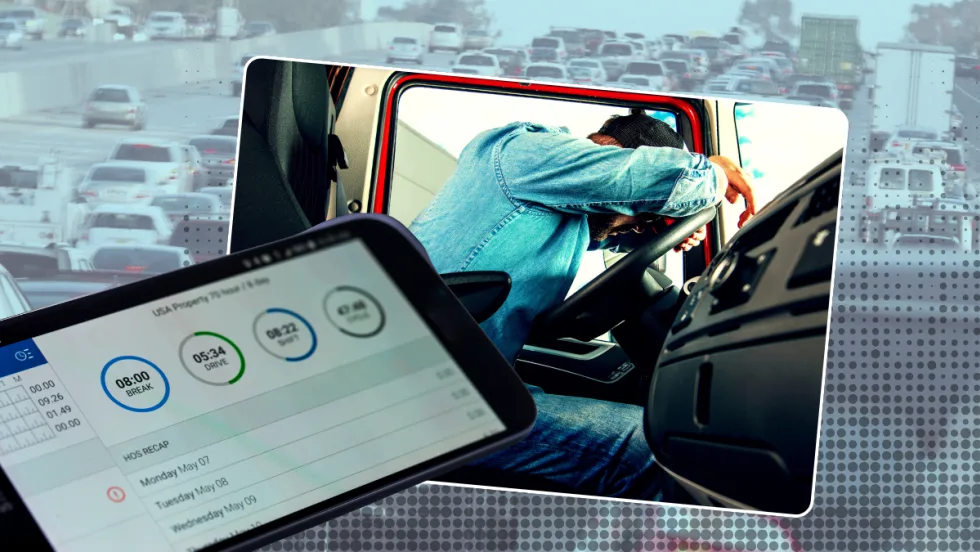
Hours of Service Pilot Programs: FMCSA Readies for 2027 Rollout
Two pilot programs could eventually reshape hours-of-service rules, giving truck drivers options to pause their 14-hour clock or use longer split sleeper rest periods.
Read More →
Medical Cards, English Proficiency Reshape Roadcheck Violations
Medical-card violations jumped to the top of the driver out-of-service list during CVSA’s 2026 International Roadcheck, while English-language proficiency violations appeared among the leading violations for the first time.
Read More →