




Senate Again Says Nay to Twin 33s
The Senate has approved an amendment that strips out a measure included in the Department of Transportation funding bill that would have allowed 33-foot-long double trailers to operate on highways regardless of state laws.


U.S. Capitol Photo: David Cullen

U.S. CapitolPhoto: David Cullen
The Senate on Nov. 18 approved by voice vote an amendment that strips out a measure included in the fiscal year 2016 Department of Transportation funding bill that would have allowed 33-foot-long double trailers to operate on highways regardless of state laws.
Just a week earlier, the chamber approved a motion that instructed Senate conferees to oppose the inclusion of any such provision in the long-term highway bill compromise being hashed out by the two chambers. Both bipartisan measures were offered by Senators Roger Wicker (R-MS) and Dianne Feinstein (D-CA).
Back in June, the Senate Appropriations Committee had approved an amendment to the Transportation and Housing and Urban Development (T-HUD) appropriations bill (H.R. 2577), which has yet to be passed by Congress, that required states to allow trucks pulling twin 33s on their highways.
Specifically, the amendment calls for DOT to complete a comprehensive safety study before such longer trucks are permitted on highways. It would also require the agency to conduct a formal rulemaking process with public notice and a comment period.
“A recent independent poll revealed that 77% of Americans oppose twin 33-foot trailer trucks on the nation’s highways and byways,” Sen. Wicker said in a statement issued after the T-Hud amendment passed. “The Senate stands with this overwhelming majority and with the 38 states who have said ‘no’ to these longer double trailers. This is a victory for public safety, states’ rights, and hard-working taxpayers.”
In the statement, Sen. Feinstein said “such a sweeping change runs counter to all notions of public safety and has no place in an appropriations bill.” She called passage of the amendment “a big win for public safety” and thanked “the coalition of law enforcement, victims groups, unions and the trucking industry that came together and said no to bigger, more dangerous trucks.”
The trucking industry has been markedly divided on the twin 33 proposal.
Those within trucking opposed to denying the right of states to prohibit the operation of twin 33s include the chief executives of over 13 truckload and two LTL carriers; the state trucking associations of Arizona, Louisiana and Mississippi; the Truckload Carriers Association; The Trucking Alliance (a coalition of trucking businesses that lobbies for safety improvements); and the International Brotherhood of Teamsters.
Trucking stakeholders in favor of allowing the nationwide running of twin 33s include the American Trucking Associations and the Coalition for Efficient & Responsible Trucking, a nonprofit organized by leading less-than-truckload carriers.
After the T-Hud amendment was approved, the American Trucking Associations declared it was disappointed by the vote against a “common-sense productivity enhancement.”
"It is unfortunate the Senate has chosen to give up on what could be a very beneficial change in policy,” said ATA President and CEO Bill Graves in a statement. "This modest increase in tandem trailer length would reduce the number of truck trips needed to move an increasing amount of freight while making better use of a dwindling pool of drivers. This common-sense solution holds the potential to ease congestion, reduce emissions and improve the efficiency of the supply chain.
"There are so many upsides to the use of twin 33s that it is inevitable this change will come to pass,” he continued. “Decision-makers cannot continue to embrace unsafe and unproductive strategies, and expect to have this nation’s freight continue to get delivered. Ultimately the economy will win this debate."
Graves urged lawmakers to “retain the language voted on in the House that would permit these safe and efficient vehicles on America’s highways.”
More Fleet Management
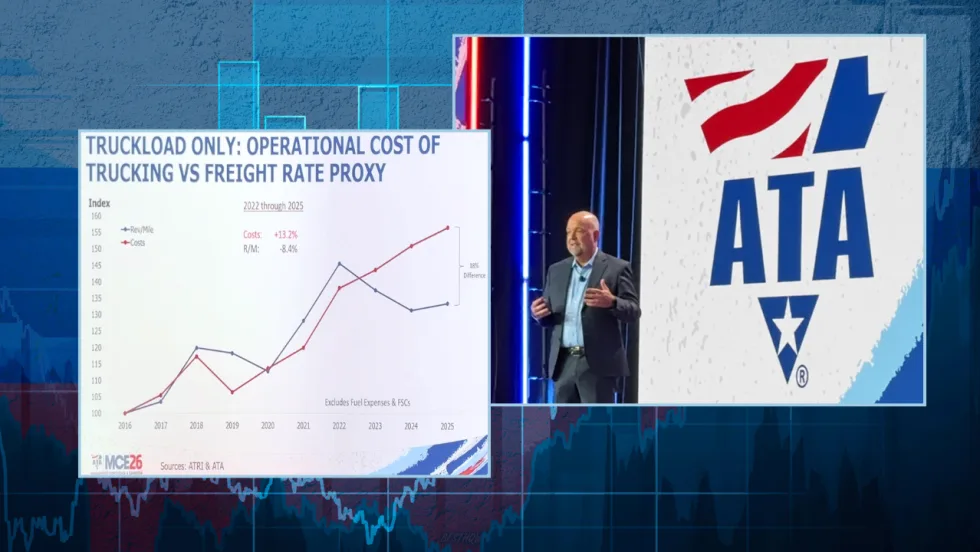
Why This Trucking Recovery Is Different
Freight demand remains sluggish, but rising costs and tougher enforcement have taken enough capacity out of the market to change the outlook for motor carriers.
Read More →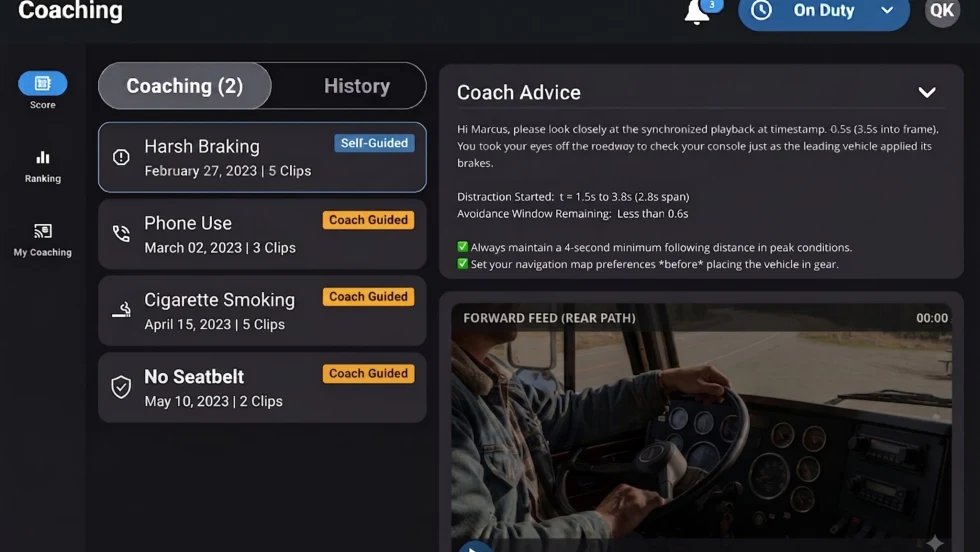
Platform Science Adds Dispatch and Safety Tools
Four additions to PS Fleet help fleets monitor loads, manage driver coaching, share truck locations and adjust video system settings.
Read More →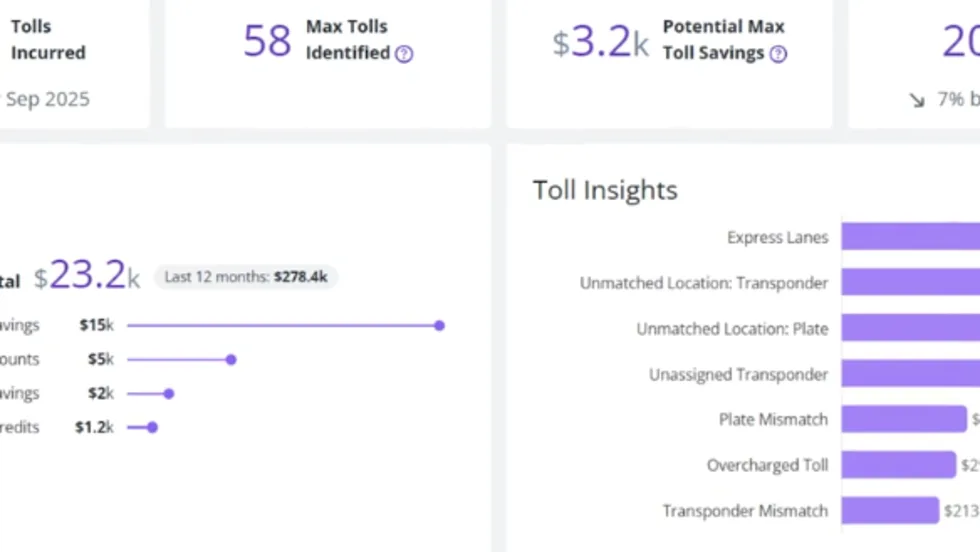
PrePass Intelligence Mines Fleet Bypass, Toll and Safety Data
PrePass Intelligence helps fleets measure bypass savings, flag potential toll overcharges, and spot suspicious transactions by combining data from separate systems.
Read More →
Motive Adds AI Agents for Fleet Operations
New tools automate follow-up on fleet data, from maintenance work orders to driver alerts, with two-way voice conversations planned for later this year.
Read More →
Can You Beat Our Trucking Trivia Challenge?
Test your truck knowledge with 19 trivia questions from Heavy Duty Trucking Exchange. Can you keep up with the fleet pros?
Read More →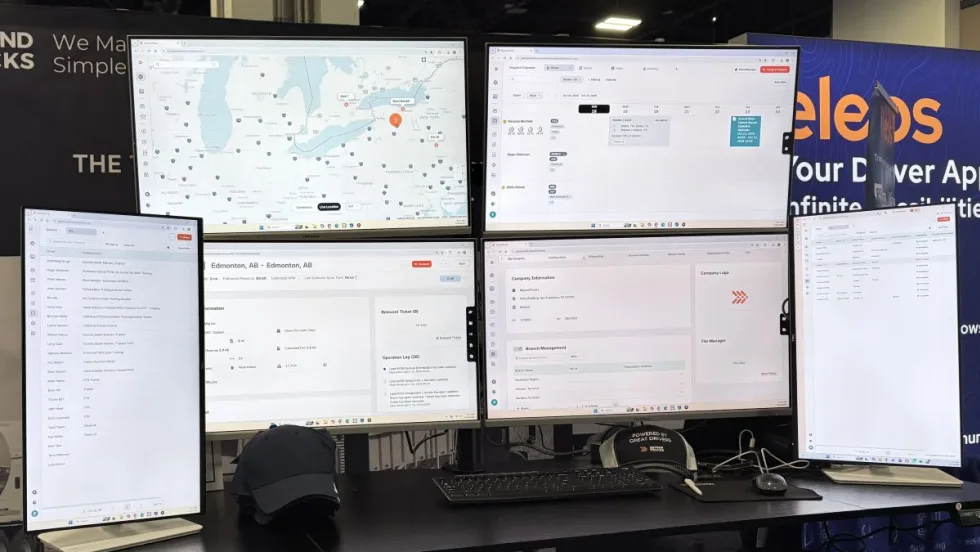
BeyondTrucks Adds Rules Checks to Dispatch
New Compatibility Engine checks driver qualifications, equipment requirements and fleet policies before loads are dispatched.
Read More →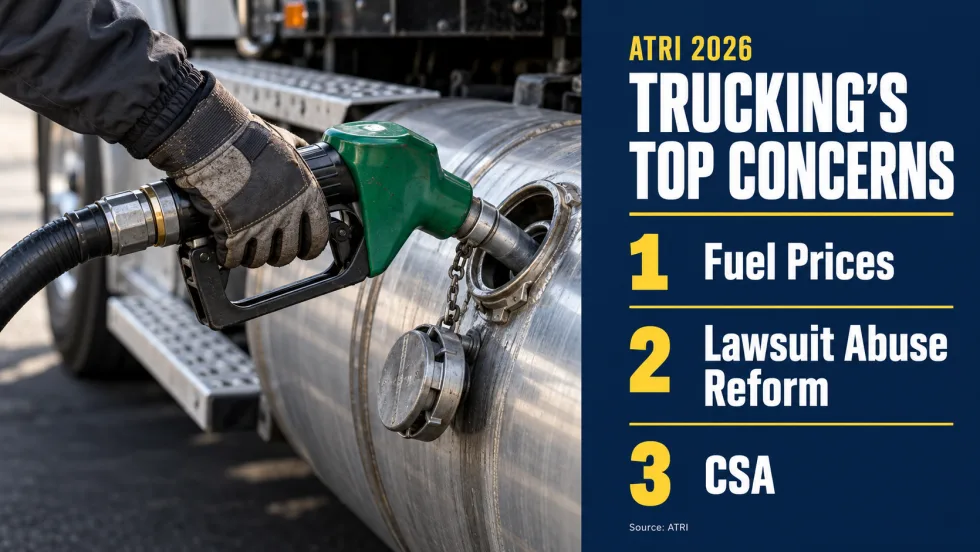
Diesel Prices Hijack Trucking’s Worry List
ATRI’s annual survey finds cautious optimism about freight, but diesel costs, litigation, and insurance continue to squeeze fleets. Drivers have different priorities on several issues.
Read More →
Nomination Deadline Extended for HDT Emerging Leaders
Just a few more days to nominate accomplished trucking fleet professionals under 40 who are making an impact and helping lead the industry forward for the HDT Emerging Leaders award. Deadline extended to October 20!
Read More →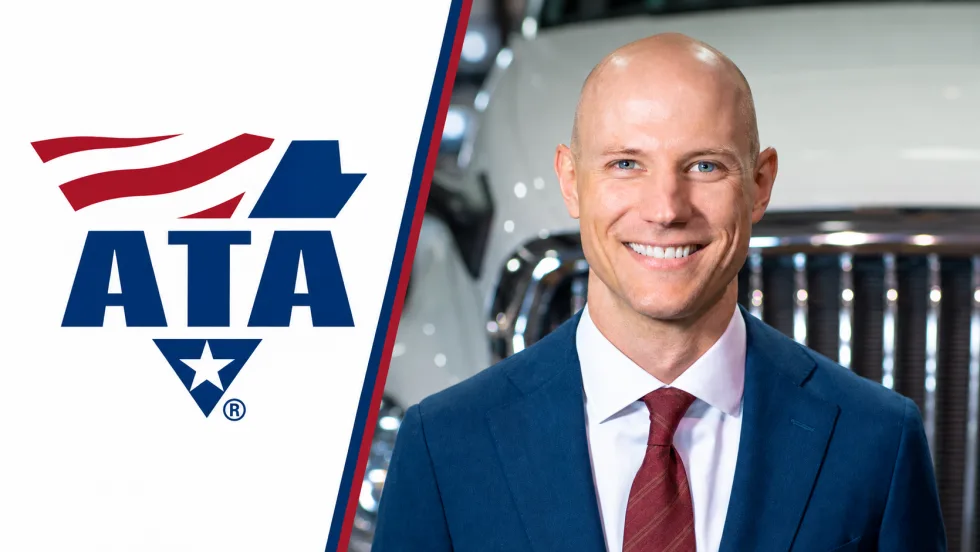
What Will ATA’s New Leader Bring to Trucking's Table?
Incoming President and CEO Mark Colson’s record in Alabama offers clues about his priorities and approach following Chris Spear’s abrupt departure as the head of the American Trucking Associations.
Read More →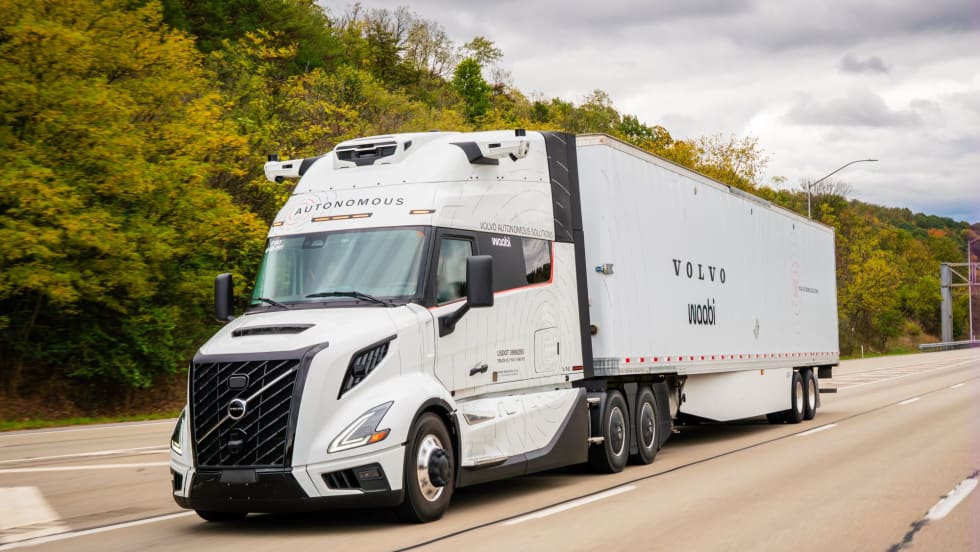
Volvo, Waabi Start Commercial Autonomous Operations in Texas
Volvo VNL Autonomous trucks, powered by the Waabi Driver, are hauling freight directly to third-party facilities for a customer in Texas.
Read More →