




Drivers and fleet owners are questioning the safety of a new speed limit and lane restriction which will soon go into effect on Arizona highways.
A bill just passed by the state's legislature and signed by Gov. Jane Hull would require trucks to stay in the right-hand lanes at a speed no greater than 65 mph from July 18.
Tucson Transport owner Lyle Stephens told Associated Press the changes won't achieve the additional safety lawmakers sought.
"There's 40 tons pushing you down the road, and when you're restricted to the right-hand lane, you don't have room to maneuver in case someone pulls in front of you and stops," Stephens said.
ADOT spokesman Walt Gray said figuring out the safety impact will require a new traffic study on the whole Interstate highway system in Arizona.
"It's not something you do easily, although obviously this is a priority," he added. Gray said the state did a similar study five years ago when speed limits were raised to 75 mph but that it doesn't apply now.
Sen. Keith Bee, a Tucson Republican who owns Bee Line Busing, also has questions.
"We're putting the cart before the horse and counting on the state engineer to have the study done in time so that we are not creating an additional safety hazard by having the speed differential or lane restrictions," Bee said.
Gray pointed out the changes will not affect state roadways uniformly.
He claims they won't affect metropolitan areas, such as Tucson, Phoenix, Yuma and Flagstaff, because speed limits drop to 55 mph in those areas.
Likewise, areas where the terrain causes speed limits to dip below 75 mph will remain the same, Gray said.
State Engineer Dick Wright will make the final decisions on when and where the changes will be implemented.
"We can't just go back to the old studies," Gray said. "There are different factors, like percentage of trucks, updated traffic counts and crash data, to take into consideration."
Stephens said he isn't concerned about the speed limitation since his fleet is programmed for a 70 mph limit now. But the lane restriction disturbs him because there are only two lanes in each direction on most of Arizona's Interstate highways.
"I firmly believe that in 98 percent of cases there is no call for a truck to be on an inside lane," Stephens said. "But I swear to God, when I'm in my big trucks, I've had people in cars the size of Volkswagens cut in front of my front bumper not three feet, and it is scary, very scary. You need that center lane."
Dennis Alvarez, ADOT district engineer in Tucson, believes drivers will feel safer on Interstate 10.
"In my opinion, it's more perception than reality. The issue is, there's a lot of fear," Alvarez said. "There's a truck weighing 80,000 pounds going 75 miles per hour behind you. People really see that as hazardous to their safety."
The law exempts vehicles with 16 or more passengers, allowing most of the major busing companies, such as Greyhound, to continue traveling at 75 mph. School buses already are regulated at 65 mph.
Safety of New Arizona Speed Limit Questioned
Drivers and fleet owners are questioning the safety of a new speed limit and lane restriction which will soon go into effect on Arizona highways
More Safety & Compliance

Deadline Extended for HDT Truck Fleet Innovators Nominations
Heavy Duty Trucking has extended the deadline for nominations for its Truck Fleet Innovators awards. The deadline has been extended to May 22.
Read More →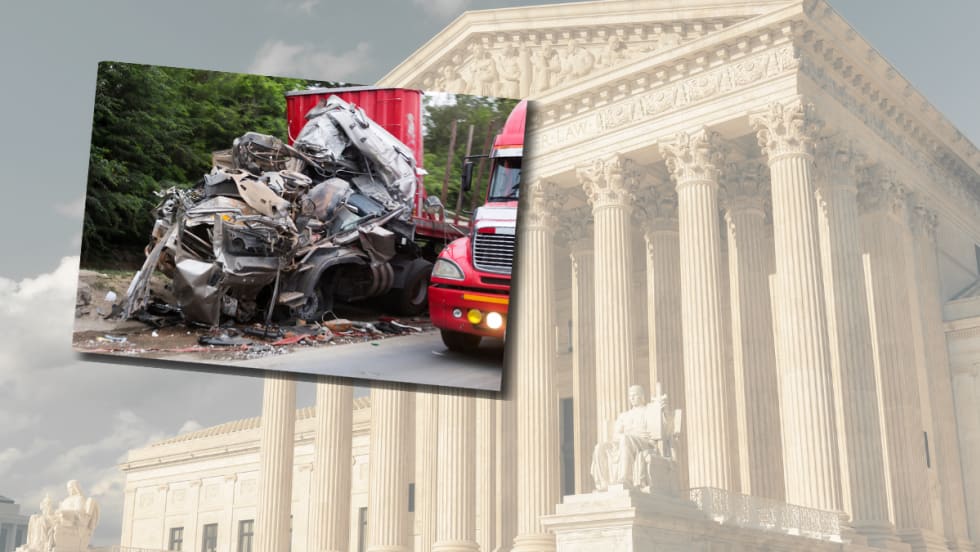
Supreme Court Ruling Puts Freight Broker Vetting Practices in Spotlight
The unanimous SCOTUS ruling in the closely watched Montgomery v. Caribe case allows state negligence claims against freight brokers that hire unsafe motor carriers, raising new liability and vetting concerns among brokers.
Read More →
The Truck Safety Tech K&B Transportation Says Is Making a Difference [Watch]
Can technology help prevent truck crashes? In this HDT Talks Trucking Short Takes episode, K&B Transportation explains how it’s using cameras, speed management tools, cellphone-blocking technology, and other systems to improve safety and reduce risk across its fleet.
Read More →
Listen: Inside Modern Fleet Safety: AI, Cameras & Speed Control at K&B Transportation
Fleet safety is evolving fast—and technology is at the center of it. Learn how a former commercial vehicle enforcement officer turned director of safety at K&B Transportation is embracing real-world safety technology.
Read More →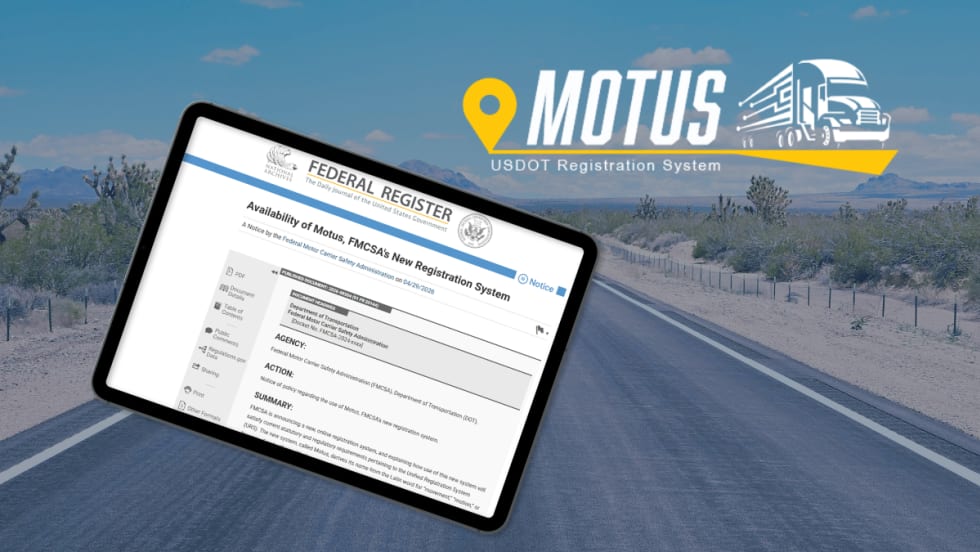
FMCSA’s Motus System Is Coming. What Fleets Need to Know Now
FMCSA's long-awaited registration system promises a single portal — and tighter fraud controls. And there are steps you need to take by May 14.
Read More →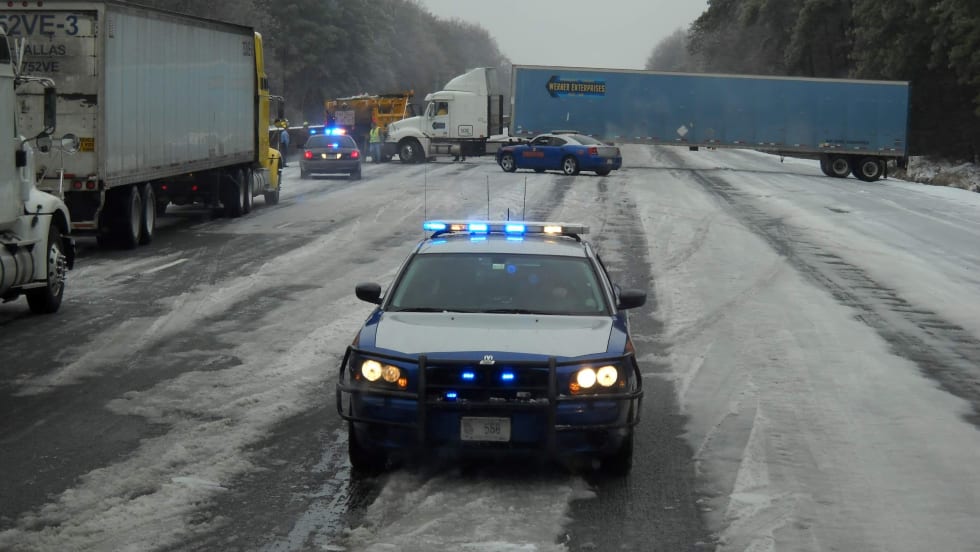
Avoiding Winter Pileups: Don’t Become the Next Link in the Crash-Chain
Winter roadway “pileups” aren’t one crash — they’re a chain reaction. Here’s what triggers them, how truck drivers can spot the danger early, and what to do if you're suddenly trapped in the mess.
Read More →
Freightliner Expands Detroit Assurance with New Intersection and Turning Safety Tech
Detroit’s next-generation ABA6 safety system adds cross-traffic detection and enhanced side guard assist with left-turn protection, targeting high-risk urban scenarios.
Read More →
'Beyond Compliance,' Regulations, Driver Coaching on ATRI’s 2026 Research List
The American Transportation Research Institute will examine driver coaching, regulatory impacts — including the "Beyond Compliance" concept —and weather disruptions that shape trucking operations.
Read More →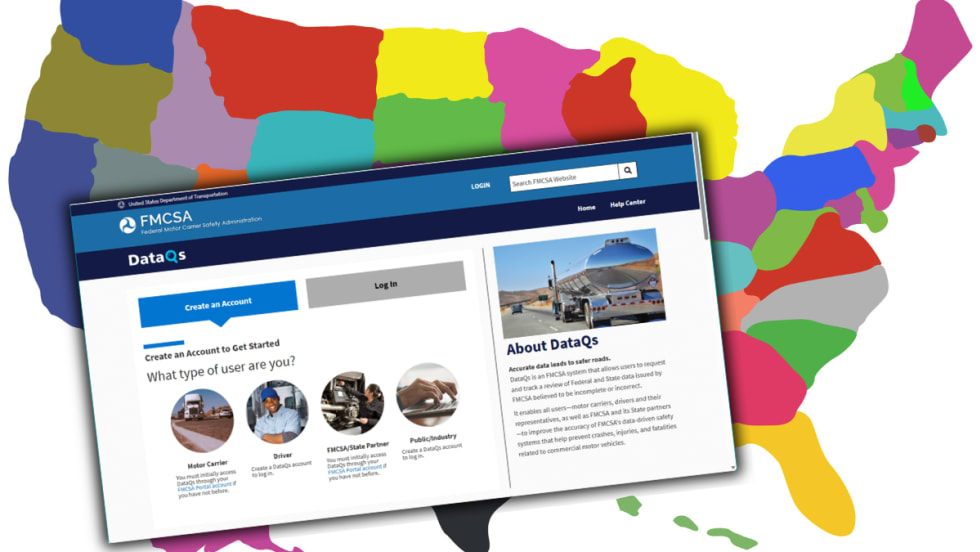
FMCSA Revamps DataQs to Improve Fairness, Speed of Reviews
New requirements add firm deadlines and independent review steps, addressing long-standing complaints about inconsistent rulings and slow response times.
Read More →
FMCSA Extends Paper Medical Card Exemption … Again
Five states still aren't ready to accept commercial driver medical exam information directly from the medical examiner's registry.
Read More →