




Safety Groups Challenge Hours of Service in Court Again
The Teamsters, Public Citizen, Advocates for Highway and Auto Safety, and the Truck Safety Coalition have again attacked federal hours of service rules in court
The Teamsters, Public Citizen, Advocates for Highway and Auto Safety, and the Truck Safety Coalition have again attacked federal hours of service rules in court.
The safety groups asked an appeals court today to review what they call "a dangerous Bush-era regulation that increased the amount of time truck drivers can spend behind the wheel."
The groups also sent a letter to Transportation Secretary Ray LaHood asking him to begin work on a new regulation that would reduce truck crashes caused by fatigue.
"We have taken this action with the conviction, based on research and scientific data, that longer driving and working hours are unsafe and promote driver fatigue," the letter said.
The rule, which took effect in 2003, has twice before been challenged in court by safety groups. The regulations were modified somewhat following the first challenge, but the revised rule was challenged again in 2005.
In July 2007, the court remanded the hours of service rules to FMCSA, ruling that the agency must provide better explanations of its justifications for adopting the controversial 11-hour drive time and 34-hour restart provisions. Many in the trucking industry interpreted that decision as "procedural," something the agency could fix fairly easily.
In December 2007, FMCSA announced that it was keeping the 11-hour and the 34-hour provisions in an Interim Final Rule. In January 2008, a federal appeals court denied Public Citizen's request to invalidate that interim rule. The final rule was unveiled late last year and went into effect in the final days of the Bush administration.
The ongoing challenge asserts that the hours of service rule "allows truck drivers to drive for 11 hours, one more hour than they were allowed before the 2003 rule. It allows them to drive as many as 77 hours in seven days or 88 hours in eight days, over 25 percent more than previously."
"It is illogical and unacceptable that the prior Administration's solution to truck driver fatigue was longer working and driving hours, said Jackie Gillan, vice president for Advocates for Highway and Auto Safety. "Public health and safety is at stake and there needs to be a new rule."
But In unveiling the Final Rule late last year, FMCSA Administrator John Hill emphasized, "These rules are crafted to match what we know about drivers' circadian rhythms and the real world work environment truckers face every day."
See "FMCSA Announces Final HOS Rule," 11/19/2008.
More Safety & Compliance

More Trailer Data Through the Same Seven-Way [Video]
Can trucking’s standard seven-way connector handle more cameras and trailer data? Grote’s Adam Slade shows HDT how the company is using new technology with its 4See trailer system, not only to add a new backup camera but also to expand other capabilities — without adding another connection.
Read More →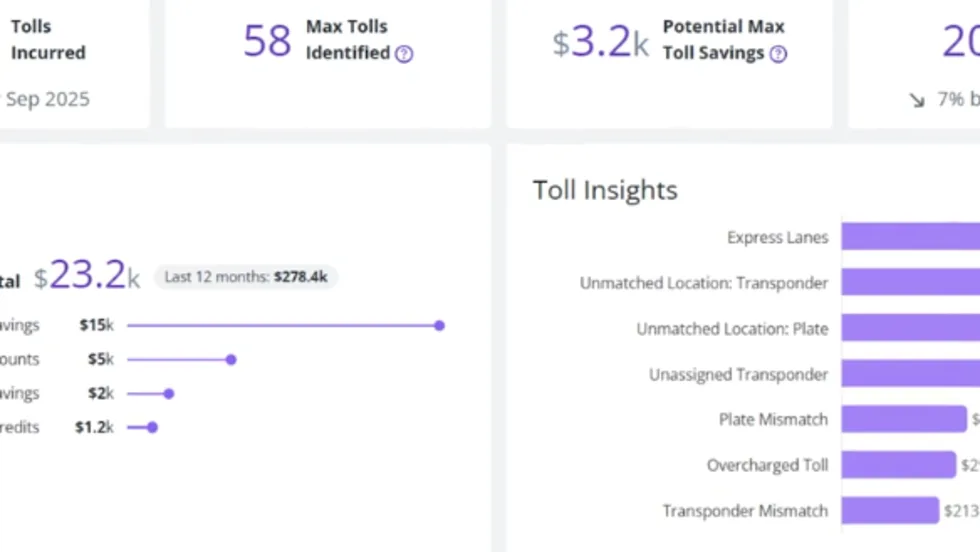
PrePass Intelligence Mines Fleet Bypass, Toll and Safety Data
PrePass Intelligence helps fleets measure bypass savings, flag potential toll overcharges, and spot suspicious transactions by combining data from separate systems.
Read More →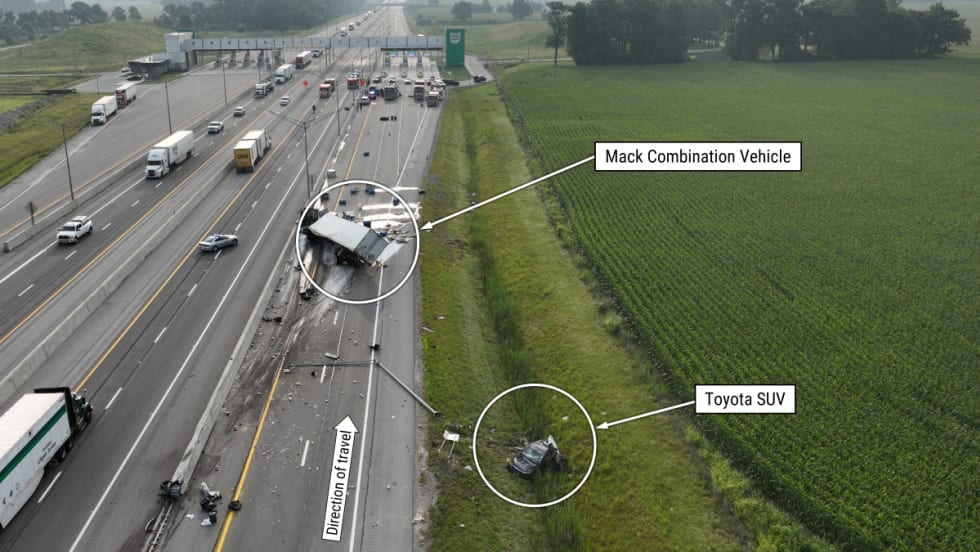
Fatal Crash Exposes Toll Plaza Risks
An NTSB investigation found that last-minute lane changes and large speed differences at an Ohio toll plaza created a hazard the truck driver couldn't avoid in time.
Read More →

When Language Stops the Truck: The Return of ELP Out-of-Service Orders
English language proficiency rules for commercial drivers aren’t new, but renewed out-of-service enforcement has raised the stakes. Here’s what carriers need to know before a driver reaches a roadside inspection.
Read More →
A Camera Isn't a Safety Program. Here's What Brokers Are Screening for Now
Footage alone may not be enough to pass broker vetting processes. Here's what counts as a defensible safety program now.
Read More →
Marijuana and Trucking’s Drug-Testing Dilemma
Marijuana is getting stronger, laws are changing, and drug tests still can’t reliably establish impairment. What does that mean for truck drivers and the fleets that employ them?
Read More →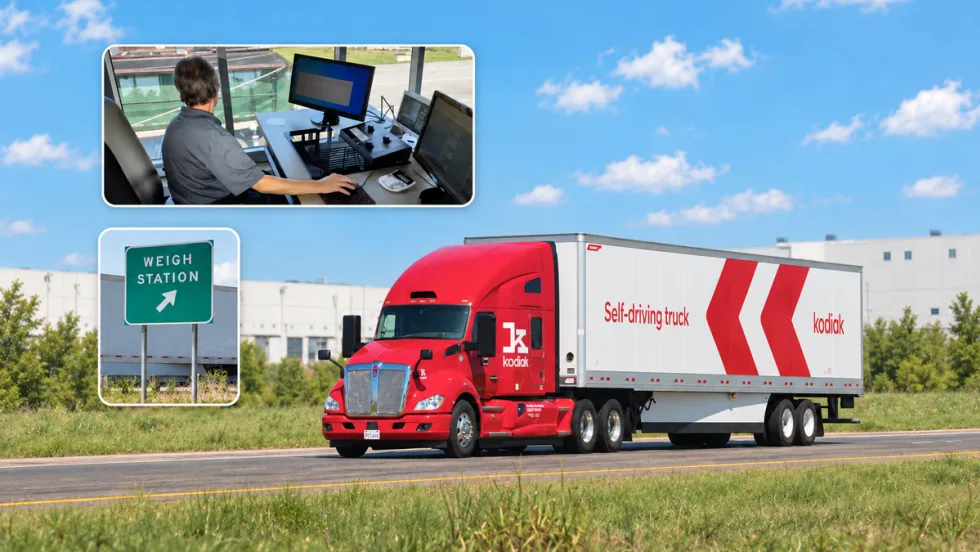
PrePass, Kodiak Connect Driverless Trucks to Roadside Enforcement
The system will allow enforcement agencies to verify Enhanced Inspection information and decide whether Kodiak’s autonomous trucks can bypass roadside screening sites.
Read More →
From One Generation to the Next: How Mentorship Builds Safer Truck Drivers
After three decades in trucking, Harold Perry shares what he's learned about driver safety, mentorship, and helping the next generation build confidence behind the wheel.
Read More →
FMCSA Pauses Biennial-Update Enforcement Amid Motus Transition
Carriers whose updates were due on or after June 1 have more time, while FMCSA works to stabilize its new registration system and warns of phishing sites impersonating its new carrier registration system, Motus.
Read More →
ZF Expands Commercial Vehicle Push in North America
ZF is expanding its North American commercial-vehicle presence with new transmission applications, electrification, trailer technology and autonomous-driving systems.
Read More →