




Retailers, Intermodal Trucking Worry About Potential Port Strike
A coalition of more than 100 local, state and national trade associations sent a letter to President Obama yesterday urging action to prevent an East and Gulf Coast port strike next week over intermodal container handling
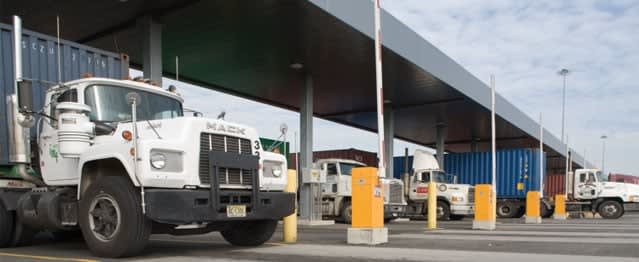
A coalition of more than 100 local, state and national trade associations sent a letter to President Obama yesterday urging action to prevent an East and Gulf Coast port strike next week over intermodal container handling.
The letter urges immediate action by the White House to ensure that the lack of progress in ongoing labor contract negotiations between the International Longshoremens Association, which represents 14,500 dockworkers in East and Gulf Coast ports, and the U.S. Maritime Alliance, which represents management for shipping lines and port employers, does not result in a strike.
The bargaining is for a new master contract governing containerized cargoes - commodities shipped in 20- or 40-foot containers. The latest talks between the parties broke down Dec. 18, less than two weeks before the current contract expires on Dec. 29.
A strike was averted Oct. 1 when both sides agreed to a 90-day extension through Dec. 29 - after the U.S. elections and the holiday shopping season.
The group said that failure to reach a contract agreement would result in a coast-wide shutdown at 14 containerized ports from Maine to Texas which would have serious economy-wide impacts.
The impacted ports would include Boston; New York and New Jersey; Delaware River [Philadelphia]; Baltimore; Hampton Roads, Va. [Norfolk]; Wilmington, N.C.; Charleston, S.C., Savannah, Ga.; Jacksonville, Fla.; Miami; Tampa, Fla.; Mobile, Ala.; New Orleans; and Houston.
The last coast-wide longshoremen's strike was in 1977, according to Philly.com, which notes that talks broke off Tuesday over the issue of "container royalties," payments made to longshoremen based on the weight of containerized cargo. Management wants to cap those payments.
The coalition's letter to the president notes that "the region, particularly the Northeast, is still recovering from the tragic effects of superstorm Sandy. A port strike or other shutdown will only add to the economic devastation already felt by the region. Just the threat of a shutdown impacting the East Coast and Gulf Coast ports creates a level of uncertainty in a fragile economic climate which has forced many businesses to once again enact contingency plans that come at a significant cost to jobs and our economic competitiveness.
"The West Coast lockout 10 years ago cost the U.S. economy $1 billion a day and took
over six months to recover from. The East Coast and Gulf Coast ports and their customers cannot
afford a similar situation."
The coalition undersigning the letter, led by the National Retail Federation, was made up of associations representing United States manufacturers, farmers, wholesalers, retailers, importers and transportation and logistics providers, including the American Trucking Associations, the Automotive Aftermarket Industry Association, the Intermodal Association of North America, the Intermodal Motor Carriers Conference, the National Industrial Transportation League, the New Jersey Motor Truck Association and others.
More Fleet Management

American Trucking Associations Looks for a New Leader
ATA President and CEO Chris Spear abruptly left his job at the association on August 21, at a pivotal time for the trucking industry.
Read More →
Public Wi-Fi Cybersecurity Risks: How Truck Drivers and Fleets Can Protect Their Data
Public Wi-Fi can expose truck drivers and fleets to credential theft, malware, and other cyber threats. Here’s how to reduce the risk on the road.
Read More →
For Nicky Cupp, Fleet Innovation Starts With Frustration
HDT Truck Fleet Innovator Nicky Cupp turns everyday pain points at Fraley & Schilling into opportunities for better technology and smarter processes.
Read More →
Adam Buttgenbach’s Approach to Electric Trucks: Start With Where They Fit
HDT Truck Fleet Innovator Adam Buttgenbach helped PepsiCo build one of North America’s largest EV fleets by focusing on where electric trucks make operational sense.
Read More →
Deen Albert: Let Automation Do the Math, People Make the Decisions
HDT Truck Fleet Innovator Deen Albert makes sure people are still at the heart of operations at Grand Island Express, even while adopting artificial intelligence tools. AI-assisted dispatch helped boost revenue 25% with the same number of trucks.
Read More →
Trimble’s New AI Agent Takes Aim at Fleet Back-Office Busywork
Arc Agent works across Trimble TMS products to automate repetitive tasks such as freight orders, maintenance, invoices, fuel costs and more.
Read More →
How HDT’s 2026 Truck Fleet Innovators Are Rethinking Fleet Operations
Meet five trucking leaders who are challenging assumptions, solving operational problems, and putting innovative ideas to work.
Read More →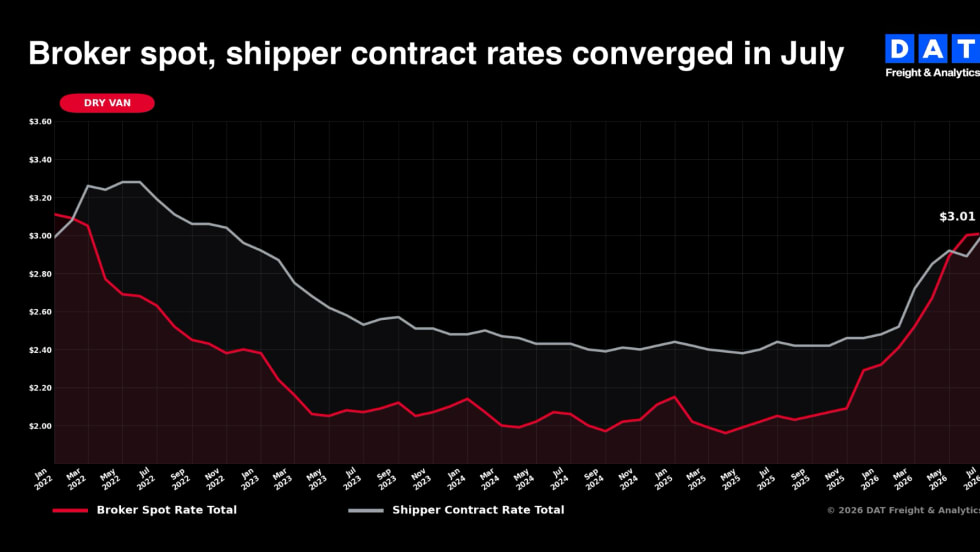
Tight Trucking Capacity Pushes Rates Higher Even as Freight Volumes Fall
“Spot rates moving ahead of contract rates have historically signaled a tightening market, but we haven’t seen a capacity-driven market quite like this one,” said DAT's Dean Croke.
Read More →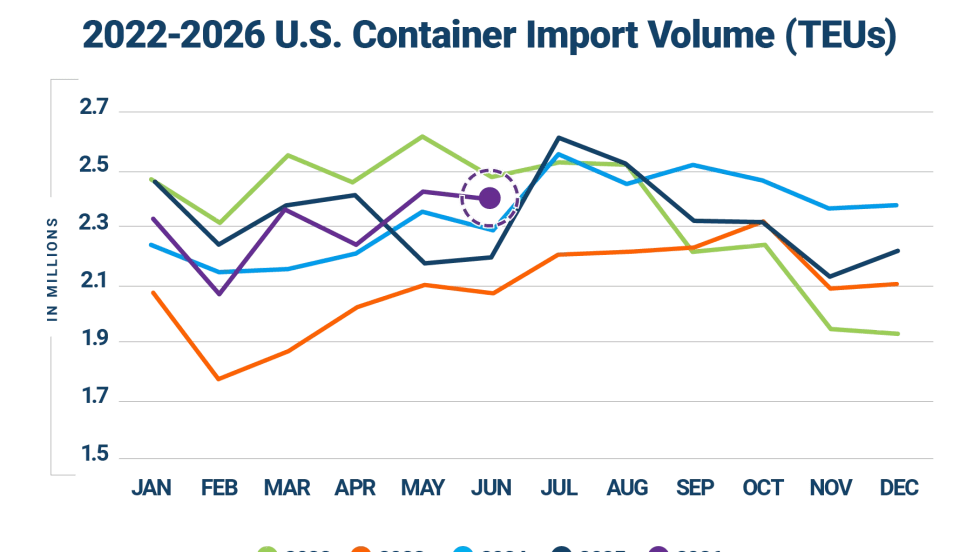
Import Cargo’s Early Peak Season is Winding Down
There was an early start to peak season this year at the nation's gateway ports, as retailers brought in merchandise ahead of tariff changes in late July and responded to other supply chain uncertainties,
Read More →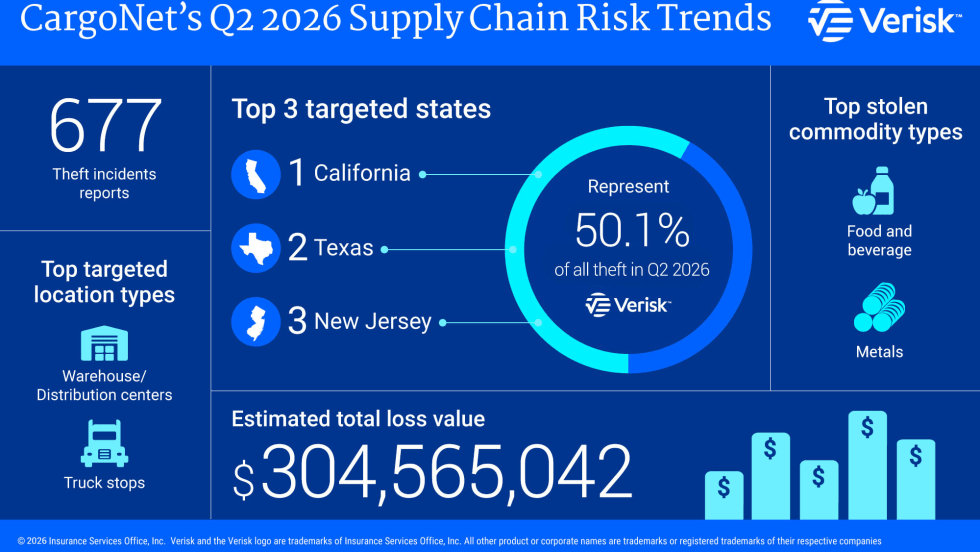
Fewer Cargo Thefts, Bigger Losses: Criminals Target Higher-Value Loads
CargoNet says organized theft rings are stealing fewer shipments but choosing more valuable freight, including metals and technology, resulting in record losses.
Read More →