




Research Identifies Barriers to Fuel-saving Technology Uptake
Lack of credible ROI information and reliability concerns are cited as major hurdles to wide-scale adoption of fuel-saving technologies such as 6x2s, idle reduction and tire inflation systems, according to a new report by the North American Council for Freight Efficiency.

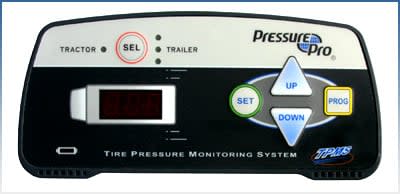
A new fleet survey and research conducted by The North American Council for Freight Efficiency has identified what stands between fleets and better fuel economy. NACFE, in partnership with Cascade Sierra Solutions, dug deep into why there hasn't been wider adoption of several commonly available technologies that could deliver thousands of dollars in fuel savings.
Beginning with a technology adoption survey of hundreds of fleets followed by interviews with fleet decision makers, the NACFE identified five key bottlenecks to nationwide implementation of available technologies.
The first report, focused on tire pressure monitoring systems and automatic inflation systems, cites a lack of credible information on payback as the largest hurdle. That was followed by a lack of access to capital, insufficient reliability, the high initial cost of trucks and unavailability of technology.
“The report clearly shows the gap between perceptions and reality of the adoption of technologies," says Mike Roeth, executive director of NACFE. "If implemented, currently available trucking technologies could earn fuel savings of as much as $20,000 per truck with a payback time of less than 18 to 24 months.”
Roeth told Heavy Duty Trucking that he is dumbfounded as to why fleets are leaving so much money on the table when it comes to fuel savings. He believes part of the problem, oddly, might be a surplus of information.
"Fleets have to wade through all that information, decide what's credible and what is just marketing, and then make a decision on what can be a substantial investment," he says.
In the follow-up interviews to the initial survey, Roeth saw fleets getting 1.5% improvement in fuel economy just by keep tires properly inflated.
"I'd say to produce savings on that magnitude, the fleet would have had pretty poor tire management before installing the systems," he says. "In this case, we looked only at the fuel savings. Imagine what better pressure management did for their tire costs."
A summary of the tire pressure confidence report can be downloaded here.
In the coming months, NACFE will release confidence reports dealing with 6x2 tractor configurations and anti-idling devices.
Those studies and the tire inflation study were funded by the International Council for Clean Transportation. ICCT used telephone, focus group and on-line survey methods and interviewed nearly 1,900 owner-operators as well as representatives of small fleets and 20 larger fleets that own and operate over 50,000 trucks and 100,000 trailers, about their decision-making processes for adopting new efficiency technology. The stakeholder groups included for-hire and private trucking fleets, shipping and logistics companies, truck and trailer manufacturers, component suppliers and truck dealerships.
Finally, two tools have been developed for adoption analysis: a technology selection tool and a payback calculator. Confidence reports can be downloaded from the NACFE website.
Workshop Sessions Planned
To share ‘best-in-class’ experience with technologies and promote the accelerated adoption, NACFE and its new partner Carbon War Room (the environment non-profit set up by British billionaire Sir Richard Branson) will host industry leaders is a workshop setting to share best practices and collaborate on solutions for improved freight efficiency.
The event will include overviews of each technology, followed by small workshops to brainstorm actions to promote adoption. Each workshop will focus on one of three specific technologies: Tire Pressure Systems, 6x2 Axles, and Anti-Idling Devices.
The Trucking Efficiency Summit will be held in conjunction with Calstart’s High-Efficiency Truck Users Forum National Meeting in Chicago on Monday October 7. More information is available here.
More Drivers

Truck Drivers Need More Than Another Alert
Fleets have more visibility into truck health, safety events, and driver activity than ever. The next challenge is turning all that information into useful guidance for the person who has to decide what to do next.
Read More →
FMCSA Removes 110 Truck Driver Training Schools from Certified ELDT List
Federal regulators also are targeting more than 160 additional training providers and launching a nationwide audit of third-party CDL skills testers as part of a broader crackdown on trucking fraud.
Read More →
Hours of Service Pilot Programs: FMCSA Readies for 2027 Rollout
Two pilot programs could eventually reshape hours-of-service rules, giving truck drivers options to pause their 14-hour clock or use longer split sleeper rest periods.
Read More →
Medical Cards, English Proficiency Reshape Roadcheck Violations
Medical-card violations jumped to the top of the driver out-of-service list during CVSA’s 2026 International Roadcheck, while English-language proficiency violations appeared among the leading violations for the first time.
Read More →
Driver Trust Can Make or Break the Success of Fleet Safety Technology
New Teletrac Navman research suggests that onboarding, transparency about driver data, and positive feedback can play a significant role in how commercial drivers respond to safety and coaching technology.
Read More →
EEOC Sues KLLM Over Alleged Sex Discrimination in Driver Training
KLLM is facing a federal sex-discrimination lawsuit over policies the EEOC alleges put female truck driver trainees at a disadvantage.
Read More →
FMCSA Moves to Codify English Language Requirements for Commercial Drivers
By changing regulations on English-language proficiency requirements for commercial drivers, rather than relying on a guidance memo, the FMCSA said future administrations won't be able to walk back the Trump administration's stricter enforcement with just a memo.
Read More →
Drivers Put Western Star Trucks to the Test at Star Nation Experience
Watch to get an inside look at the Western Star trucks, technology, and community behind the Star Nation Experience 2026!
Read More →
Trump Administration Looks to Put More Veterans Behind the Wheel
The Freedom Haulers program pulls together existing and expanded programs at several federal agencies to recruit veterans to drive commercial heavy-duty trucks and cut the red tape for them to get a CDL, training, and employment.
Read More →
Putting Mack’s Command Steer to the Test
A test drive of Mack’s Command Steer active steering system evaluates how it can make truck driving easier and less tiring.
Read More →