




Ports Must Adapt to Volume, Says N.J. Trucking Association
Addressing the monumental traffic backups at the Ports of New York and New Jersey, the New Jersey Trucking Association called on the ports to adapt to the higher volume and increase gate hours.

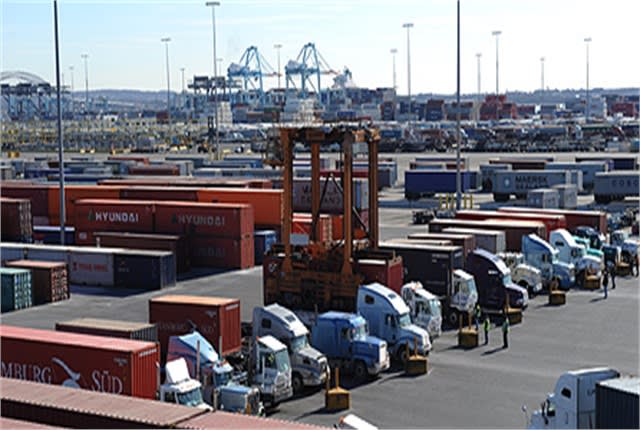
Addressing the monumental traffic backups at the Ports of New York and New Jersey, the New Jersey Motor Truck Association called on the ports to adapt to the higher volume in a release.
Representatives of the port terminals were blaming traffic congestion on truckers lining for the port before the gates opened, according to a report last week.
Speaking for the New Jersey Intermodal Carrier Conference, NJMTA member Tom Adamski called placing the blame on truckers “beyond the absurd.” He blamed the ports' seeming unwillingness to adjust gate hours to compensate for the increase in volume.
“The volume that any other port in the world would do cartwheels to have, and not service it, properly borders on sacrilege – no, it is sacrilege,” said Adamski in a press release.
The terminals are experiencing increases as high as 100% in some cases, but have still maintained 60-hour weekly gates, according to the association. The terminals themselves operate close to 168 hours per week to load and unload cargo.
With many truckers lining up for the next day’s gate hours at midnight and lines as long as 300 – 400 truckers, Adamski suggested adding a late night, 11 p.m – 7 a.m. sequence of gate hours in addition to normal gate hours in order to allow the terminals to take advantage of less congested times.
“There is an expression, 'build it and they will come,'” said Adamski. “For the truckers – open it up and they will come.”
More Drivers

Platform Science Adds Dispatch and Safety Tools
Four additions to PS Fleet help fleets monitor loads, manage driver coaching, share truck locations and adjust video system settings.
Read More →
When Language Stops the Truck: The Return of ELP Out-of-Service Orders
English language proficiency rules for commercial drivers aren’t new, but renewed out-of-service enforcement has raised the stakes. Here’s what carriers need to know before a driver reaches a roadside inspection.
Read More →
Samsara Launches Custom AI Agent Builder
Agent Studio lets fleets create AI tools for hours-of-service monitoring, reporting and driver support, including agents that communicate by phone.
Read More →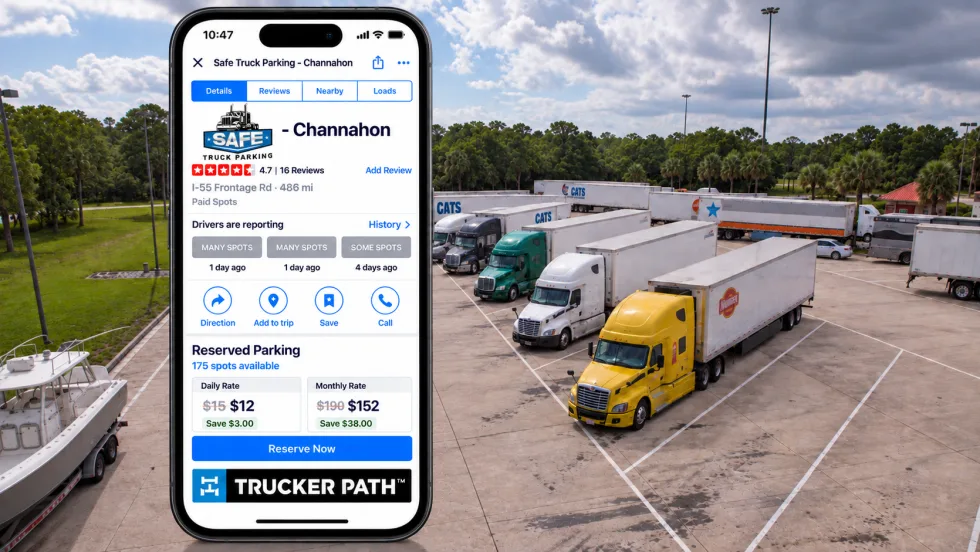
Trucker Path Expands Reserved Parking Network
Trucker Path has added close to 6,000 more truck parking spaces to its Trucker Path Reserved Parking Network with the addition of Safe Truck Parking.
Read More →
EEOC Sues Texas Trucking Company Over Driver Age Limits
The agency says Trancasa USA rejected applicants over 65 and applied tougher driving-record standards to those over 60.
Read More →
Nussbaum, Roehl Announce Second Driver Pay Increase This Year
This year has seen a swath of major truck driver pay increases as freight capacity has tightened.
Read More →
From One Generation to the Next: How Mentorship Builds Safer Truck Drivers
After three decades in trucking, Harold Perry shares what he's learned about driver safety, mentorship, and helping the next generation build confidence behind the wheel.
Read More →
Truck Drivers Need More Than Another Alert
Fleets have more visibility into truck health, safety events, and driver activity than ever. The next challenge is turning all that information into useful guidance for the person who has to decide what to do next.
Read More →
FMCSA Removes 110 Truck Driver Training Schools from Certified ELDT List
Federal regulators also are targeting more than 160 additional training providers and launching a nationwide audit of third-party CDL skills testers as part of a broader crackdown on trucking fraud.
Read More →
Hours of Service Pilot Programs: FMCSA Readies for 2027 Rollout
Two pilot programs could eventually reshape hours-of-service rules, giving truck drivers options to pause their 14-hour clock or use longer split sleeper rest periods.
Read More →