




Port Truckers End Strike After Five Days
After a five-day unfair labor practice strike at the Ports of Los Angeles and Long Beach, striking port truck drivers voted unanimously to agree to a “cooling off” period late Friday after it was requested by L.A. Mayor Eric Garcetti.

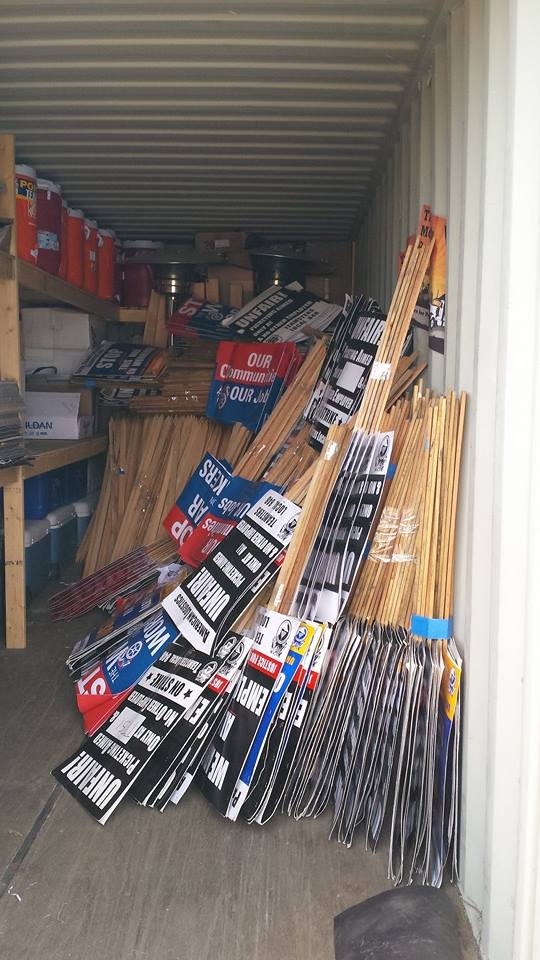
Photo: Justice for Port Truck Drivers

After a five-day unfair labor practice strike at the Ports of Los Angeles and Long Beach, striking port truck drivers voted unanimously to agree to a “cooling off” period late Friday, after it was requested by L.A. Mayor Eric Garcetti.
The port drivers made the agreement after the trucking companies said they would accept all drivers back to work without retaliation and without drivers being forced to sign away all future rights in new truck leases, according to the Teamsters-supported group Justice for Port Truck Drivers. Truckers returning to work on their regular shifts.
“We are grateful to LA Mayor Garcetti for meeting with us and hearing our concerns. We have accepted his request for a 'cooling off,' but if the companies retaliate against us again, we will immediately go back on strike,” said Carlos Martinez, one of the striking drivers.
The strike involved about 120 drivers for Total Transportation Services, Green Fleet Systems and Pacific 9 Transportation. Together they have about 400 trucks serving the two ports, but that is just a small fraction of the trucks that do business at the facility, according to published reports.
The action was the fourth such strike in the past 11 months and was an escalation from prior ones that were just 24 to 48 hours in duration. Originally, strike organizers said the length of this most recent strike would be “indefinite.”
Strike organizers were protesting trucking companies wrongly classifying drivers as independent contractors rather than employees, despite decisions in California, as well as by the National Labor Relations Board, determining these carriers should be classifying many port truck drivers as employees. Other complaints included claims of harassment and low compensation.

Some truck drivers at the ports said they were not in favor of the strike, going so far as to defend at least two of the targeted trucking companies and claiming they have faced harassment by the Teamsters Union.
“This week, striking port truck drivers showed tremendous courage and commitment to stopping the injustices they face hauling the goods that Americans rely on every day,” said Fred Potter, international vice president, International Brotherhood of Teamsters and director of the Teamsters Port Division. “While the drivers wanted to continue the strike, they agreed to a cooling-off period because Mayor Garcetti personally committed to them that he will thoroughly investigate the serious injustices the drivers presented and take strong action as there is no place for law breakers at the Port of Los Angeles.”
Strike organizers claim the five-day strike “dramatically impacted three of the ports’ leading drayage firms, clogged truck traffic, and delayed cargo at terminals at the Ports of Los Angeles and Long Beach,” however some media reports indicated the disruptions were minimal.
Also, about 1,000 dockworkers briefly walked off their jobs in support of the trucker strike early on, but they were ordered back to work by an arbitrator. Longshoremen represented by the International Longshore and Warehouse Union at West Coast ports are currently engaged in contract talks with shipping lines and port terminal operators, represented by the Pacific Maritime Association. Their most recent contract expired at the end of last month, but workers have remained on the job, despite not having a contract, except for the brief walkout.
More Drivers

Trump Administration Looks to Put More Veterans Behind the Wheel
The Freedom Haulers program pulls together existing and expanded programs at several federal agencies to recruit veterans to drive commercial heavy-duty trucks and cut the red tape for them to get a CDL, training, and employment.
Read More →
Putting Mack’s Command Steer to the Test
A test drive of Mack’s Command Steer active steering system evaluates how it can make truck driving easier and less tiring.
Read More →
Competition Heating Up for Truck Drivers
New report reveals rising driver hiring costs, the return of sign-on bonuses, growing AI advantages, and the operational factors shaping driver retention.
Read More →
How Fraley & Schilling Improved Logbook Compliance by Over 50%
Fraley & Schilling needed a way to close a compliance workflow gap in its ELD system without adding more work from driver training, reminders, and back-office follow-ups. It found the answer in a custom driver app.
Read More →
Volvo Goes Gaming
Volvo has roared into American Truck Simulator with two new flagship trucks.
Read More →
What the Best Fleets to Drive For Teach About Driver Retention
Survey fatigue, AI-powered routing, owner-operator expectations, and the decline of social media all emerged as themes from this year's Best Fleets to Drive For program.
Read More →
Driver Retention Lessons From the Best Fleets to Drive For
What separates trucking's best workplaces from the rest? Jane Jazrawy shares the biggest lessons from this year's Best Fleets to Drive For program on driver retention, communication, AI, and workforce trends on the HDT Talks Trucking podcast.
Read More →
Farewell, CDL: Why I'm Giving Up My Commercial Driver's License
After more than 20 years as a CDL holder, HDT Executive Editor Jack Roberts is letting his commercial license expire. Not because he wants to — but because trucking's nuclear verdict crisis has made the risks of public-road test drives too great for editors, manufacturers, and everyone involved.
Read More →
How Top Trucking Fleets Improve Driver Retention [Video]
What do healthy snacks, optimized routing, and just picking up the phone have in common? They're all strategies the Best Fleets to Drive For are using to retain truck drivers.
Read More →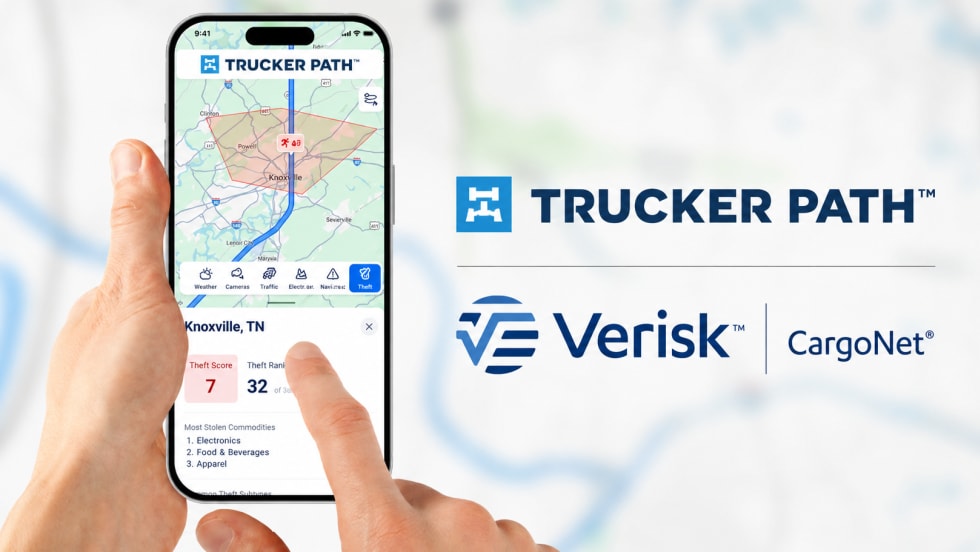
Trucker Path Adds Verisk CargoNet Theft Data to Navigation Platform
Trucker Path’s new cargo theft risk overlays give drivers and fleets visibility into high-risk areas, stolen commodity trends, and theft hotspots.
Read More →