




Oregon Credits Inspection Blitzes for Drop in Truck Crashes
Oregon's Department of Transportation says its commercial vehicle enforcement and education efforts appear to be paying off with a drop in truck crashes
Oregon's Department of Transportation says its commercial vehicle enforcement and education efforts appear to be paying off with a drop in truck crashes.
For the last several years, ODOT's Motor Carrier Division has aggressively targeted unsafe commercial drivers and vehicles with enhanced enforcement and education initiatives. One of the biggest efforts has been special safety inspection operations along the state's busiest highways. During these operations, MCTD employees work together around the clock for three to five days, inspecting hundreds of trucks a day.
"Although employees perform this type of work every day, intensive inspection operations help reinforce the message that safety is our number one priority and help keep Oregonians safe," said Howard Russell, Motor Carrier Safety Compliance Field manager.
DOT officials say 2009 data shows crashes involving commercial vehicles are down 28 percent over 2008. Truck-at-fault crashes are down 26 percent. Truck crashes resulted in 32 percent fewer injuries and 15 percent fewer deaths in 2009.
During a multi-day event in central and eastern Oregon, almost 630 safety inspections were completed. These inspections focused on commercial drivers and included checking drivers' logbooks and qualifications to make sure they were complying with federal and state regulations, specifically, hours of service regulations.
During the inspection operation, 27 percent of drivers were placed out of service. That rate is consistent with inspection events at other locations in Oregon over the last few years. The national driver out of service rate is about 6 percent.
Commercial vehicle safety inspections are not random. Using several sorting tools, including weigh station records, safety records, and information in national databases, employees scrutinize the vehicle and driver. Driver behavior is carefully observed as the vehicle proceeds through the weigh station. Drivers who look inattentive or fatigued are routinely selected for an inspection. During the inspection, the driver is interviewed and supporting documentation is reviewed to verify the driver's logbook.
In the last six months, ODOT has conducted five of these special operations, completing more than 2,000 inspections and placing almost a third of drivers out of service for logbook, hours of service or other violations.
"Although the majority of trucks and drivers operating on Oregon's highways are safe and professional, these inspections are important in helping identify those that are not and vital in helping keep Oregonians safe," said Russell.
More Safety & Compliance
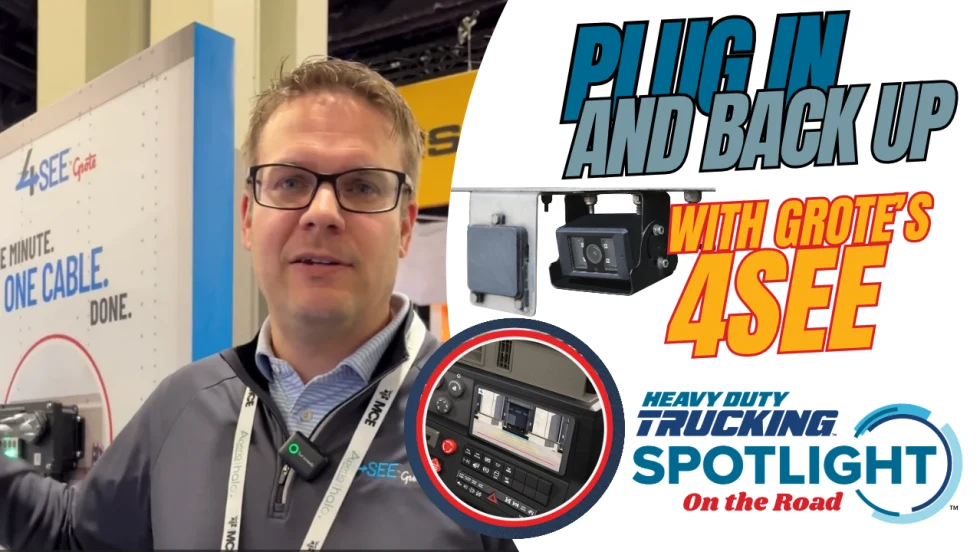
More Trailer Data Through the Same Seven-Way [Video]
Can trucking’s standard seven-way connector handle more cameras and trailer data? Grote’s Adam Slade shows HDT how the company is using new technology with its 4See trailer system, not only to add a new backup camera but also to expand other capabilities — without adding another connection.
Read More →
PrePass Intelligence Mines Fleet Bypass, Toll and Safety Data
PrePass Intelligence helps fleets measure bypass savings, flag potential toll overcharges, and spot suspicious transactions by combining data from separate systems.
Read More →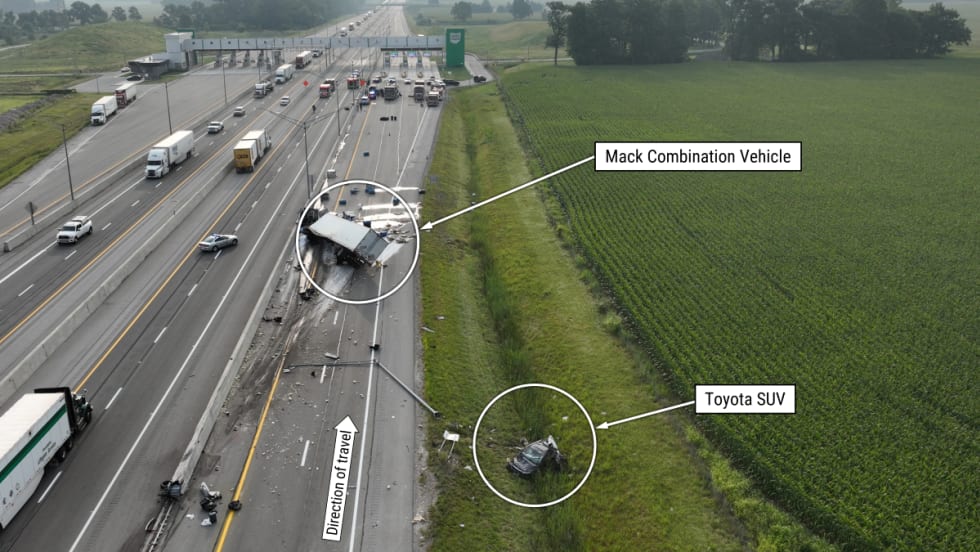
Fatal Crash Exposes Toll Plaza Risks
An NTSB investigation found that last-minute lane changes and large speed differences at an Ohio toll plaza created a hazard the truck driver couldn't avoid in time.
Read More →

When Language Stops the Truck: The Return of ELP Out-of-Service Orders
English language proficiency rules for commercial drivers aren’t new, but renewed out-of-service enforcement has raised the stakes. Here’s what carriers need to know before a driver reaches a roadside inspection.
Read More →
A Camera Isn't a Safety Program. Here's What Brokers Are Screening for Now
Footage alone may not be enough to pass broker vetting processes. Here's what counts as a defensible safety program now.
Read More →
Marijuana and Trucking’s Drug-Testing Dilemma
Marijuana is getting stronger, laws are changing, and drug tests still can’t reliably establish impairment. What does that mean for truck drivers and the fleets that employ them?
Read More →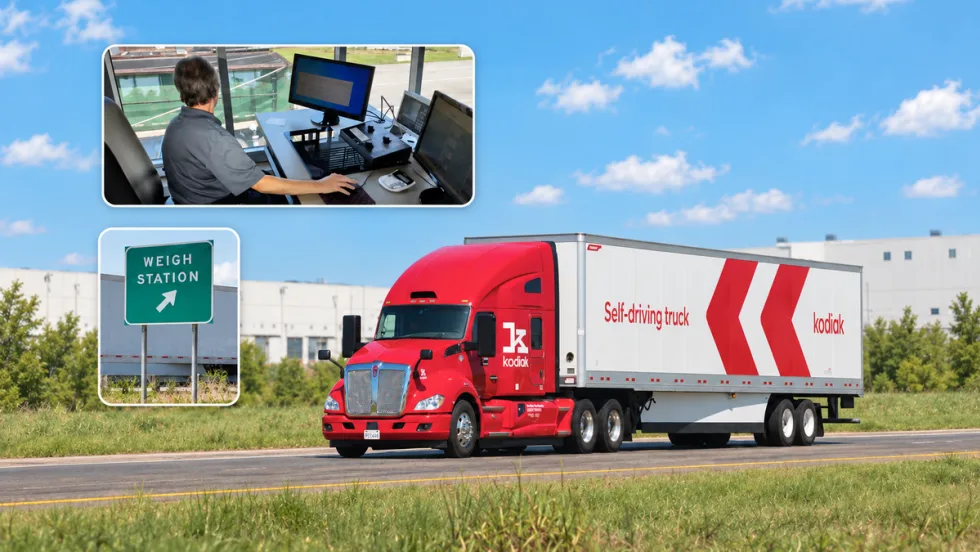
PrePass, Kodiak Connect Driverless Trucks to Roadside Enforcement
The system will allow enforcement agencies to verify Enhanced Inspection information and decide whether Kodiak’s autonomous trucks can bypass roadside screening sites.
Read More →
From One Generation to the Next: How Mentorship Builds Safer Truck Drivers
After three decades in trucking, Harold Perry shares what he's learned about driver safety, mentorship, and helping the next generation build confidence behind the wheel.
Read More →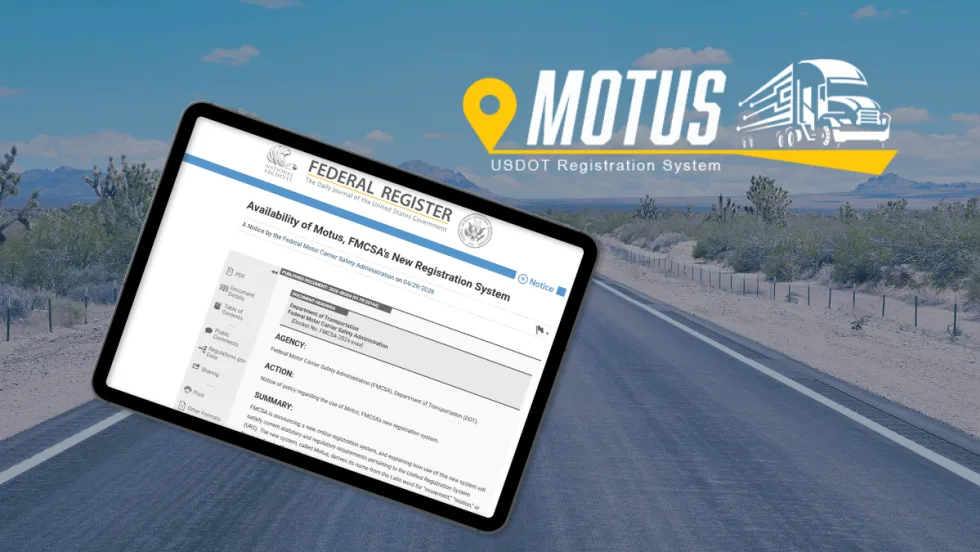
FMCSA Pauses Biennial-Update Enforcement Amid Motus Transition
Carriers whose updates were due on or after June 1 have more time, while FMCSA works to stabilize its new registration system and warns of phishing sites impersonating its new carrier registration system, Motus.
Read More →
ZF Expands Commercial Vehicle Push in North America
ZF is expanding its North American commercial-vehicle presence with new transmission applications, electrification, trailer technology and autonomous-driving systems.
Read More →