





Related: Do Low Spot Freight Rates Mean Brokers Are Gouging Truckers?
OOIDA Asks Congress to Help Small-Business Truckers
The Owner-Operator Independent Drivers Association is continuing its push the federal government to address the needs of truck drivers and small-business trucking companies as they struggle with the many challenges caused by the COVID-19 pandemic.
May 14, 2020
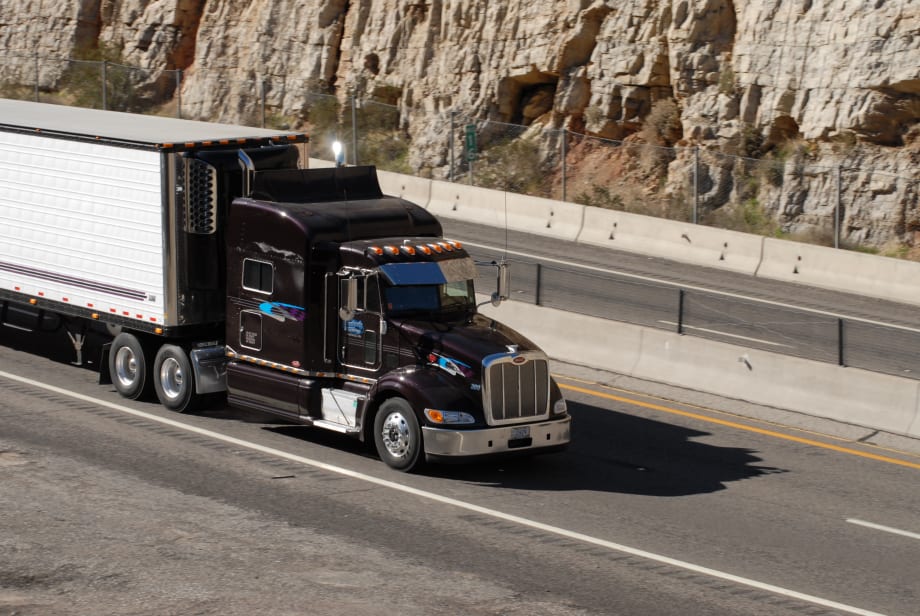
The Owner-Operator Independent Drivers Association wants Congress to take action to help truckers during COVID-19.
Photo: Jim Park
4 min to read
The Owner-Operator Independent Drivers Association is continuing its push the federal government to address the needs of truck drivers and small-business trucking companies as they struggle with the many challenges caused by the COVID-19 pandemic.
In its most recent letter to leaders of Congress, on May 13, OOIDA outlined steps it said need to be taken to help small-business truck drivers remain viable.
In the letter to Senate Majority Leader Mitch McConnell, Senate Minority Leader Chuck Schumer, Speaker of the House Nancy Pelosi, and House Minority Leader Kevin McCarthy, OOIDA wrote, “Since the outbreak of COVID-19 in the United States, small-business truckers have been risking their lives to deliver critical supplies to communities across the country,” but that since the initial surge in demand has subsided and demand and freight rates have plummeted, “many now face significant economic challenges that threaten the viability of their business.”
The letter asked Congress to address unscrupulous brokers and freight rates by:
Requiring automatic electronic disclosure of broker transactions. Under 49 CFR 371.3, brokers are required to maintain records related to transactions with motor carriers, including how much each party is paid for their services, but in reality, OOIDA alleges, brokers make it nearly impossible to obtain those records.
Take steps to remedy long-time problems with broker bonds so motor carriers are fully compensated for their work when brokers do not pay them.
Allow current weight exemptions put in place by many states to address the need for COVID-19 relief loads to expire, since the industry is now in an overcapacity situation.
Another area addressed in the letter is improving Small Business Administration assistance and the PPP loan program. OOIDA asked Congress to:
Allow trucking companies to include truck payments, insurance payments, and depreciation when calculating the maximum PPP loan amount.
Make the IRS reverse its decision not allowing PPP recipients to deduct expenses paid for with forgivable loan proceeds
Fix problems with loan processing
Provide additional funding for the Emergency Economic Injury Disaster Loan (EIDL) program and ensure that all eligible small businesses can apply.
“There’s confusion and inconsistency among lenders in how they’re handling processing, applications,” as well as misinformation, OOIDA spokesperson Norita Taylor told HDT in an interview, referring to the PPP loans. Lenders “may not know anything about trucking, and why it’s important for small-business truckers to have access. Most of the industry is made up of small-business trucking companies [that are] way smaller than what the rest of the world considers a small business.”
The association also also asked Congress to address truck driver pay by repealing the Fair Labor Standards Act overtime exemption for truck drivers and “provide hazard pay for drivers working during the emergency period.”
The letter called for suspending the Heavy Vehicle Use Tax and Unified Carrier Registration (UCR) Fees for 2020, and to combat the truck parking crisis by enacting H.R. 6104, the Truck Parking Safety Improvement Act.
Latest in a Series of Letters
This is not the first time OOIDA has called upon Congress and the White House to address COVID-19 related problems faced by truckers. Since March, several letters have covered many of the issues addressed in this latest letter, such as the PPP loans.
Early letters addressed issues with truck parking as some states shut down rest areas, or left them open but closed restrooms.
Letters also have called upon the government to address the issues truck drivers have been facing on the road during COVID-19. The association has asked the government to provide more COVID-19 testing and protective equipment at weigh stations and rest areas
A March 20 letter to President Trump asked the administration to address parking, asked for hours-of-service rules to be lifted for all loads instead of just relief loads, asked that roadside inspections be suspended, asked for a 90-day extension of expiring CLDs and medical cards as well as random drug testing. It also asked that the federal government work with the logistics community to ensure truckers have access to restrooms at shipper and receiver facilities, and to help ensure drivers have access to virus testing.
An April 6 letter to Congressional leaders asked for Congress to pass the Truck Parking Safety Improvement Act, to push the rule modernizing hours-of-service regulations, to address the problem of excessive detention time through financial incentives and collecting data on detention at specific facilities, repeal the FLSA overtime exemption, waive the HVUT, and avoid any permanent changes to weight limits.
An April 14 letter to Congressional members heading up small business committees outlined many of the same issues with the PPP and Emergency EIDL Program as in this week’s letter.
More Fleet Management

Sponsored•September 16, 2026
Color Match Smarter: Tools That Restore & Perform
For fleet managers and collision repair professionals keeping heavy-duty trucks on the road, getting the color right the first time isn't just about appearance — it's about efficiency, turnaround time, and bottom-line results. Discover how today's digital color tools are transforming the repair process from guesswork to precision.
Read More →
FMCSA Pauses Biennial-Update Enforcement Amid Motus Transition
Carriers whose updates were due on or after June 1 have more time, while FMCSA works to stabilize its new registration system and warns of phishing sites impersonating its new carrier registration system, Motus.
Read More →
Sponsored•September 14, 2026
2026 Blueprint for Countering Smarter Supply Chain Theft
Cargo theft is no longer just the cost of doing business. It's a multi-billion-dollar criminal enterprise exploiting vulnerabilities across your fleet, drivers, and supply chain.
Read More →


Sponsored•September 1, 2026
How Telematics Improves Visibility, Control, and Performance in Refrigerated Fleets
Explore how telematics help refrigerated fleets improve visibility, uptime, efficiency, compliance, and cargo protection across connected cold chain operations.
Read More →
What the U.S.-Canada Trade War Means for Trucking
Escalating U.S.-Canada tariffs could disrupt cross-border freight, reduce truck volumes, raise costs, and create new uncertainty for carriers on both sides of the border.
Read More →
What Are Trucking’s Top Concerns for 2026?
The American Transportation Research Institute wants to know what's worrying trucking fleet managers, drivers, and other stakeholders in its annual Industry Issues survey.
Read More →
American Trucking Associations Looks for a New Leader
ATA President and CEO Chris Spear abruptly left his job at the association on August 21, at a pivotal time for the trucking industry.
Read More →
Public Wi-Fi Cybersecurity Risks: How Truck Drivers and Fleets Can Protect Their Data
Public Wi-Fi can expose truck drivers and fleets to credential theft, malware, and other cyber threats. Here’s how to reduce the risk on the road.
Read More →
For Nicky Cupp, Fleet Innovation Starts With Frustration
HDT Truck Fleet Innovator Nicky Cupp turns everyday pain points at Fraley & Schilling into opportunities for better technology and smarter processes.
Read More →
Adam Buttgenbach’s Approach to Electric Trucks: Start With Where They Fit
HDT Truck Fleet Innovator Adam Buttgenbach helped PepsiCo build one of North America’s largest EV fleets by focusing on where electric trucks make operational sense.
Read More →