




OOIDA Calls For Mandatory Driver Training
The Owner-Operator Independent Drivers Assn. told Congress that in order to improve truck safety, the government should develop mandatory driver training requirements and find a way to end the abuse drivers receive at the docks
The Owner-Operator Independent Drivers Assn. told Congress that in order to improve truck safety, the government should develop mandatory driver training requirements and find a way to end the abuse drivers receive at the docks.
In testimony Tuesday before the U.S. House Subcommittee on Highways and Transit, OOIDA Executive Vice President Todd Spencer said, "If we are to make great strides in highway safety, we have to look at these long-neglected issues rather than merely intensifying the efforts that have been giving us incremental improvements in truck safety," said Spencer.
The first area addressed by Spencer dealt with driver training. "As amazing as it must sound, there are no meaningful driver training requirements for an individual to receive a commercial driver's license," he said.
Spencer told lawmakers: "We all hope this new guy doesn't crash and kill people, but as it is today, we really have no assurance it won't happen. Most new CDL drivers are about as qualified to drive big vehicles as we were to safely drive a car when we first received our licenses at 16 years old."
Comprehensive mandatory driver training should be required, he said, with a graduated licensing system and an apprenticeship period.
"It is inconceivable more training requirements exist for hair dressers than for drivers of large trucks," he said.
Spencer said the other neglected issue is the abuse drivers endure in loading and unloading. Drivers of truckload van and refrigerated equipment will expend from 33 to 43 hours every week in loading and unloading situations. Sometimes they are required to hand unload up to 48,000 pounds of the receiver's cargo and even sort and segregate the cargo for the receiver's customers. Few truckers receive any compensation for their time or effort, Spencer said. Sometimes drivers have the option of paying a lumper to do the manual labor at a cost from their pocket of between $75 and $200, but they lose the time anyway. Since most drivers are compensated only for miles driven, if they are to make enough to feed their families they have to be driving on top of the hours spent loading and unloading - on top of the full workweek they donate to the shippers and receivers.
"It should surprise no one that fatigue is an issue for many drivers as is compliance with hours-of-service regulations," he said. "Drivers have no way to fix this problem themselves, and it's not a problem the market will fix on its own. Lawmakers should bring shippers, receivers and brokers into the safety equation to fix this problem once and for all."
Some of Spencer’s remarks appeared to target the American Trucking Associations’ position. An ATA representative testified before the same committee that Congress should devote more money to speed limit enforcement, including drivers of commercial trucks, as its number one priority in highway safety.
OOIDA questioned the prudence of pumping more millions of dollars into highway enforcement programs. Spencer called this "turn 'em loose and try to catch 'em" philosophy of enforcement an expensive use of tax dollars that is grossly inefficient. To the extent on-highway enforcement can take bad truck drivers off the road, the current licensing and entry system allows them to be replaced with another equally untrained and unqualified CDL holder, he said.
More Safety & Compliance

Wabash Trailers Recalled for Improperly Installed Underride Guards
More than 900 Wabash dry van trailers may not comply with the Federal Motor Vehicle Safety Standard for rear impact guards.
Read More →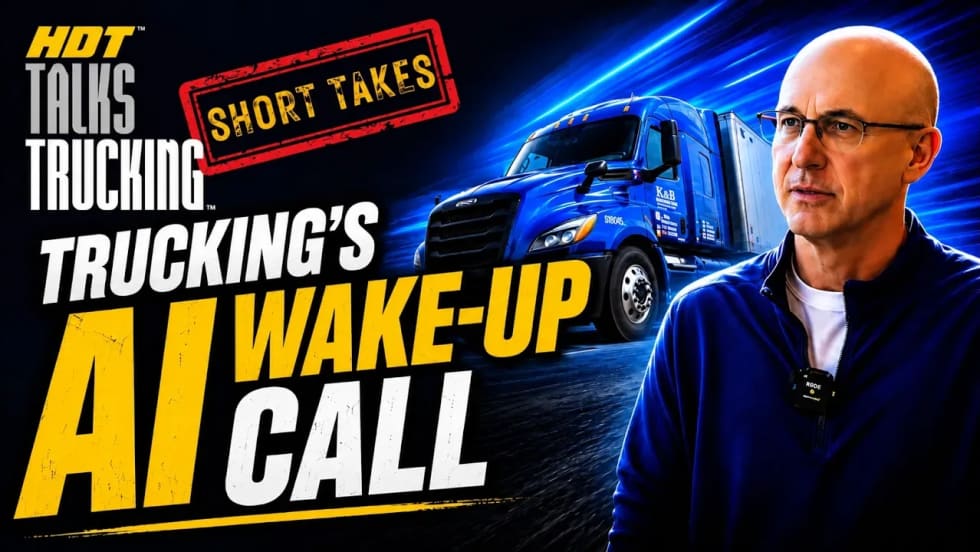
Why K&B Trucking Is Embracing AI and Driver Safety Technology
Crunching data and embracing artificial intelligence are key in K&B Trucking's safety efforts, says the company's safety director.
Read More →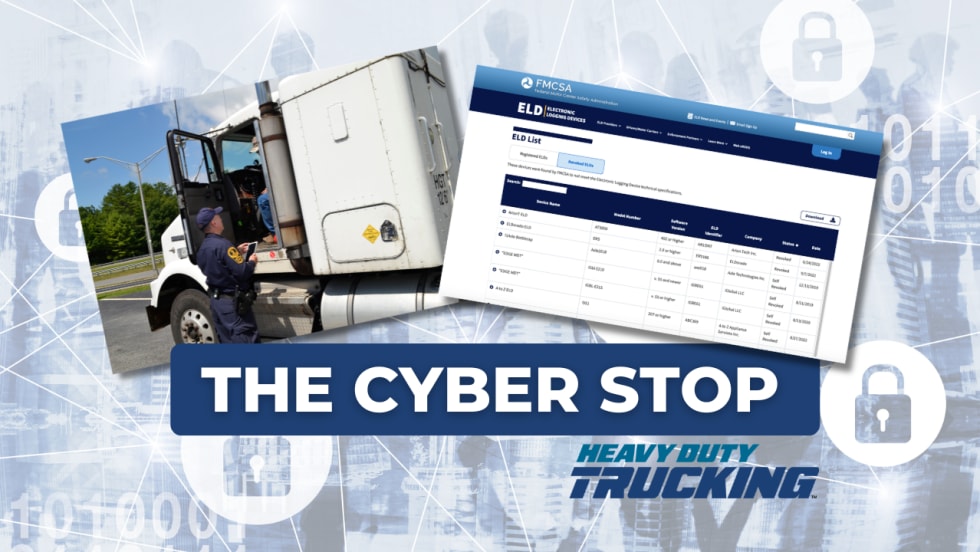
The Hidden Problem Behind FMCSA's ELD Revocations
NMFTA researchers say dozens of registered ELDs may be built on the same software platforms, allowing compliance and security concerns to persist even after individual devices are removed from the market.
Read More →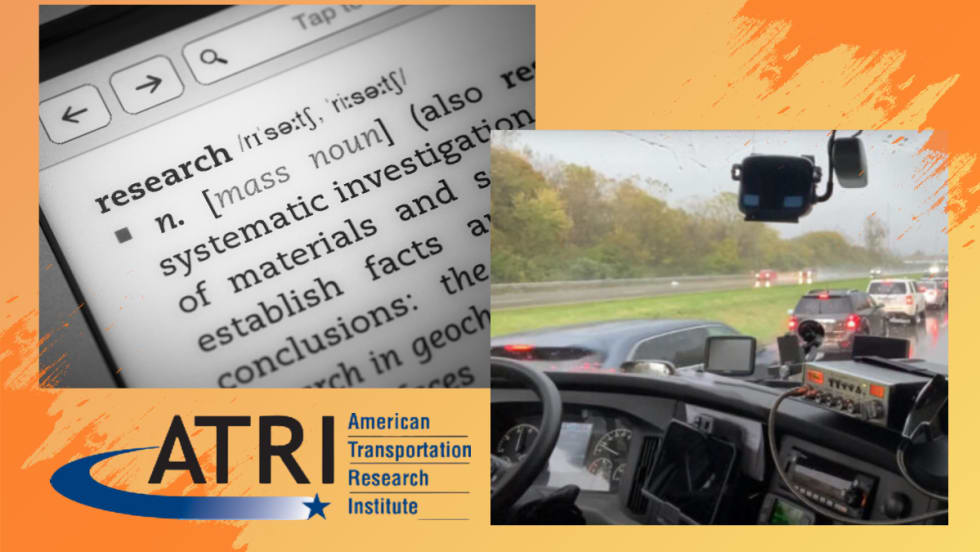
ATRI Wants Motor Carriers for Driver-Facing Camera Study
In this new study, the American Transportation Research Institute will explore how driver-facing cameras can impact safety and operational metrics in trucking fleets.
Read More →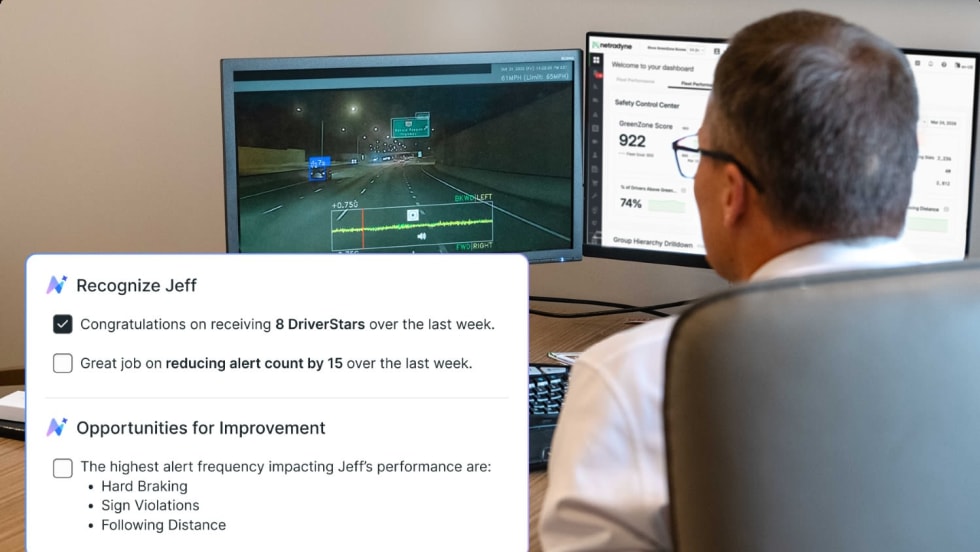
Netradyne Intelligence Uses New AI Agents to Automate Response to In-Cab Camera Data
The company called the next-generation in-cab camera safety platform "a fundamental shift from systems that report on what happened to systems that actively drive what should happen next."
Read More →Mack, Volvo Issue ‘Do Not Drive’ Recall on Possible Wheel-Offs
Owners will be sent advance notice not to operate their affected vehicles until the remedy is performed.
Read More →
Fleetworthy Integrates Lytx Video Snapshots into Safety+ Platform
A new Fleetworthy-Lytx integration gives fleet managers access to video context alongside safety event data, streamlining driver coaching and incident review.
Read More →
How Waste Connections is Using Data, Telematics, and AI
How do you manage and maintain more than 18,000 connected trucks? Data. Lots of it.
Read More →
Fleet Advantage: Top Logistics Fleets Outperform National Safety Benchmarks
Fleet Advantage's latest TRUST Safety Index found leading logistics fleets maintained significantly lower out-of-service rates and stronger safety scores than national averages, while highlighting persistent challenges related to tires, brakes, and unsafe driving behaviors.
Read More →
Why Fleet Data Matters More Than Ever at Waste Connections [Watch]
Waste Connections' Chuck Palmer explains how telematics, predictive maintenance, safety analytics, and AI help keep vehicles on the road and drivers safe in this episode of HDT Talks Trucking.
Read More →