




One Company's Fix For Medical Exams
As the media spread the word last week that commercial driver medical exams are letting unsafe, unhealthy drivers behind the wheel, one company is trying an innovative program to make sure its drivers are healthy. Coach USA
As the media spread the word last week that commercial driver medical exams are letting unsafe, unhealthy drivers behind the wheel, one company is trying an innovative program to make sure its drivers are healthy.
Coach USA of Houston, TX, operates more than 100 subsidiaries in 35 states, with 8,000 commercial vehicles (primarily passenger buses.) Frequent concerns and questions from the field offices regarding medical qualifications, especially drivers who shopped around for a DOT medical card and reports of 5-minute physicals, led the company to look for a better way.
A closer look at the doctors doing the physicals found that local private physicians regularly missed disqualifying conditions, reported Coach USA's Peter Van Beek at last week's National Transportation Safety Board hearing. "Private physicians would be concerned about disqualifying a driver because of the relationship with the patient and their family," he said. "The health history filled out by the drivers was not thorough enough for physicians to form proper evaluation. Physical exams were not frequent enough to ensure that changes in driver's physical condition could be determined in timely fashion."
As a result, the company set some new policies.
It will not accept any existing medical cards when hiring drivers. Instead, drivers must go to clinics chosen by Coach USA. The company pays for the physicals. These clinics have been issued a manual developed by Coach USA, and must sign a contract stating they will follow the company's guidelines when examining drivers.
Instead of using the standard DOT form, which has only half a page for drivers to fill out on their health history, Coach USA developed a 12-page custom health history questionnaire. Examining physicians must send the history, plus a company-specific DOT medical exam form, to the company's review physicians for approval. (Federal regulations don't require anyone but the examining medical professional to have a copy of the medical form.)
The company also decided to require drivers to have exams every year, instead of the every other year required by federal regulations.
The system is in place at approximately 60% of Coach USA's location. The phase-in began about a year and a half ago.
Van Beek reported that of the 200 physicals reviewed by its doctors in the past month, 20% were set aside for further review. After contacting the examining physician to discuss the review, 10% received 3-month medical cards instead of a full year, and 5% were actually reversed, found to not be medically qualified to drive.
One participant asked if Coach USA had done a cost-benefit analysis of the policy.
"It's difficult to put a dollar amount on things like pain and suffering, and negative media coverage," Van Beek answered. "We have at least two dozen success stories that demonstrate that we have in fact identified people who weren't supposed to be qualified medically. We won't know what accident was actually prevented and what the catastrophic results would have been."
More Safety & Compliance

FDA Eases Path for Oral-Fluid Testing
Federal actions could advance oral-fluid drug testing for truck drivers, but lab certification delays and marijuana rescheduling questions remain.
Read More →
Kodiak Lines Up Fleets for Driverless Trucking
An agreement for 75 trucks, a new Texas freight lane, and progress on safety validation move Kodiak closer to its planned driverless highway launch.
Read More →
More Trailer Data Through the Same Seven-Way [Video]
Can trucking’s standard seven-way connector handle more cameras and trailer data? Grote’s Adam Slade shows HDT how the company is using new technology with its 4See trailer system, not only to add a new backup camera but also to expand other capabilities — without adding another connection.
Read More →
PrePass Intelligence Mines Fleet Bypass, Toll and Safety Data
PrePass Intelligence helps fleets measure bypass savings, flag potential toll overcharges, and spot suspicious transactions by combining data from separate systems.
Read More →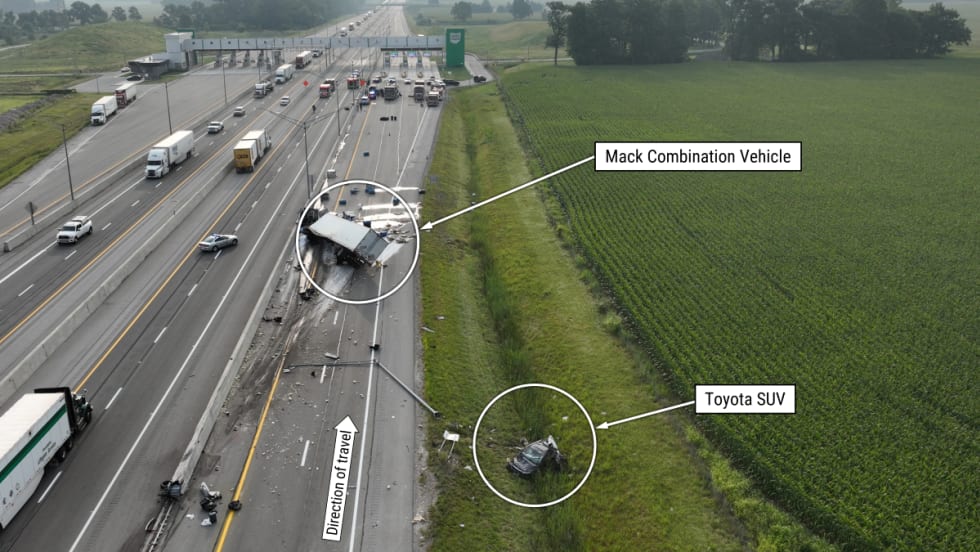
Fatal Crash Exposes Toll Plaza Risks
An NTSB investigation found that last-minute lane changes and large speed differences at an Ohio toll plaza created a hazard the truck driver couldn't avoid in time.
Read More →
When Language Stops the Truck: The Return of ELP Out-of-Service Orders
English language proficiency rules for commercial drivers aren’t new, but renewed out-of-service enforcement has raised the stakes. Here’s what carriers need to know before a driver reaches a roadside inspection.
Read More →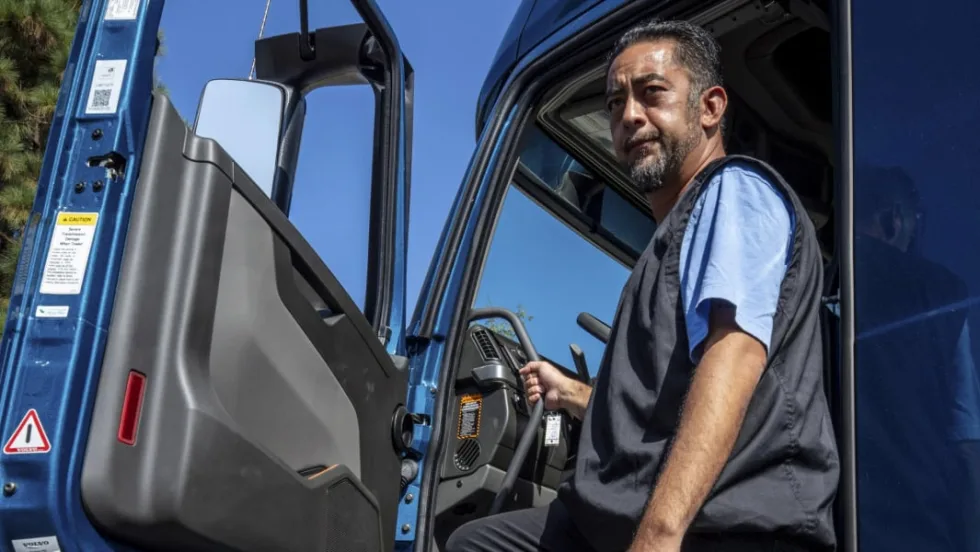
A Camera Isn't a Safety Program. Here's What Brokers Are Screening for Now
Footage alone may not be enough to pass broker vetting processes. Here's what counts as a defensible safety program now.
Read More →
Marijuana and Trucking’s Drug-Testing Dilemma
Marijuana is getting stronger, laws are changing, and drug tests still can’t reliably establish impairment. What does that mean for truck drivers and the fleets that employ them?
Read More →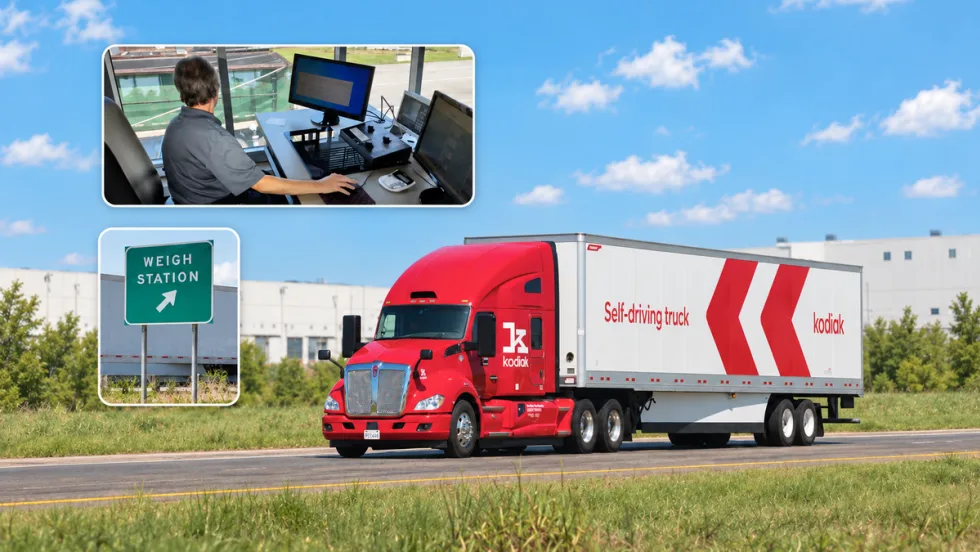
PrePass, Kodiak Connect Driverless Trucks to Roadside Enforcement
The system will allow enforcement agencies to verify Enhanced Inspection information and decide whether Kodiak’s autonomous trucks can bypass roadside screening sites.
Read More →
From One Generation to the Next: How Mentorship Builds Safer Truck Drivers
After three decades in trucking, Harold Perry shares what he's learned about driver safety, mentorship, and helping the next generation build confidence behind the wheel.
Read More →