




OIG Audit Calls For FMCSA Improvement in Cross-border Safety
In an annual audit report of the North American Free Trade Agreement's cross-border trucking provisions, the Office of the Inspector General said the Federal Motor Carrier Safety Administration should improve in meeting the safety criteri
In an annual audit report of the North American Free Trade Agreement's cross-border trucking provisions, the Office of the Inspector General said the Federal Motor Carrier Safety Administration should improve in meeting the safety criteria
.
In 2002, an appropriations act set forth eight safety criteria for the FMCSA to follow related to potential Mexico-domiciled motor carrier operations beyond the commercial zones.
According to the report, the FMCSA met six of the eight criteria since its last audit in August 2007. The OIG pointed to two areas that need improvement: having a sufficient database to allow safety monitoring of Mexican carriers and drivers, and having adequate capacity at southern border to conduct meaningful bus inspections.
The OIG said there are databases in place, but the FMCSA needed to improve the consistency of Mexican traffic conviction reporting to the Mexican Conviction Database among states.
For example, New Mexico did not report its first quarter 2008 convictions until the second quarter of 2008. According to FMCSA, new state staff did not know about the reporting requirements.
In addition, Arizona reported 66 convictions for most of 2008, compared to 229 convictions in 2007. According to FMCSA, the state's low reporting in 2008 was due to court non-compliance, reduction in CDL-related state law enforcement activities as a result of budget cuts, and reductions in commercial driving due to the economic downturn.
"Any conviction information that is delayed or not reported, including information on convictions incurred while driving a non-commercial vehicle, could result in Mexican federal CDL holders continuing to drive in the United States after incurring a disqualifying traffic offense," the OIG said.
The FMCSA agreed to "ensure state action plans addressing reporting problems are completed, obtain monthly data reports and notify states of inconsistencies found, and provide guidance on tracking inconsistencies to FMCSA Division Administrators," the report said.
In terms of the capacity issue, the report said FMCSA did not conduct bus inspections during peak hours, such as holiday periods, at Laredo, Texas. In response, the FMCSA agreed to modify the Bus Inspection Plan for Laredo to cover periods of peak traffic. The agency also committed to working with the Customs and Border Protection to determine the effectiveness of the plan, and study bus activities and operations at southern border crossings.
In response to the report, Teamsters General President Jim Hoffa said the borders should remain closed to Mexican trucks. "This new report raises even more alarms about opening our border to unsafe trucks from Mexico and endangering the lives of drivers in the United States," Hoffa said.
"This report shows without a doubt that opening the border to Mexican trucks and buses puts an unacceptable strain on our border resources," Hoffa said. "Federal officials couldn't keep up with inspections when there were only 118 trucks in the pilot program. If the border were opened to all Mexican trucks, border inspection stations would be completely overwhelmed."
To view the report, click here.
More Safety & Compliance

More Trailer Data Through the Same Seven-Way [Video]
Can trucking’s standard seven-way connector handle more cameras and trailer data? Grote’s Adam Slade shows HDT how the company is using new technology with its 4See trailer system, not only to add a new backup camera but also to expand other capabilities — without adding another connection.
Read More →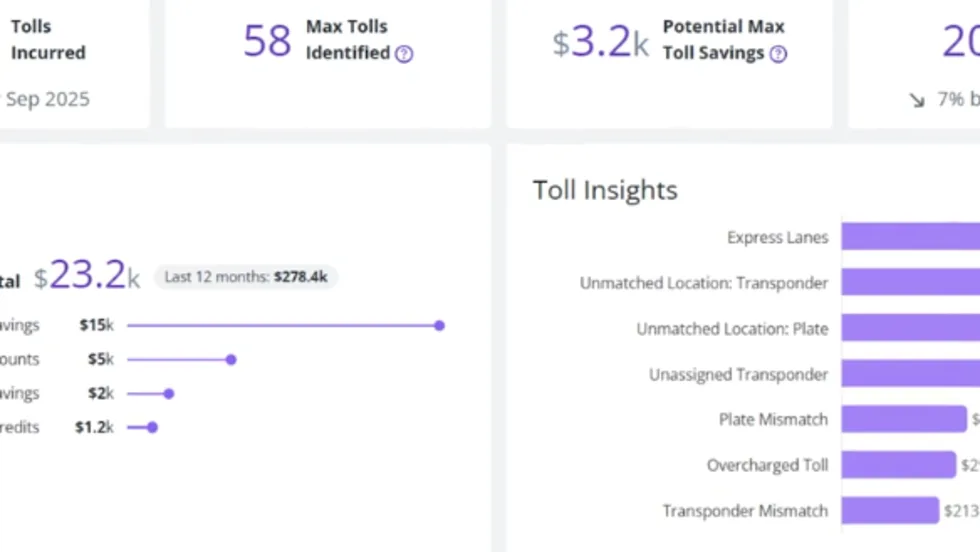
PrePass Intelligence Mines Fleet Bypass, Toll and Safety Data
PrePass Intelligence helps fleets measure bypass savings, flag potential toll overcharges, and spot suspicious transactions by combining data from separate systems.
Read More →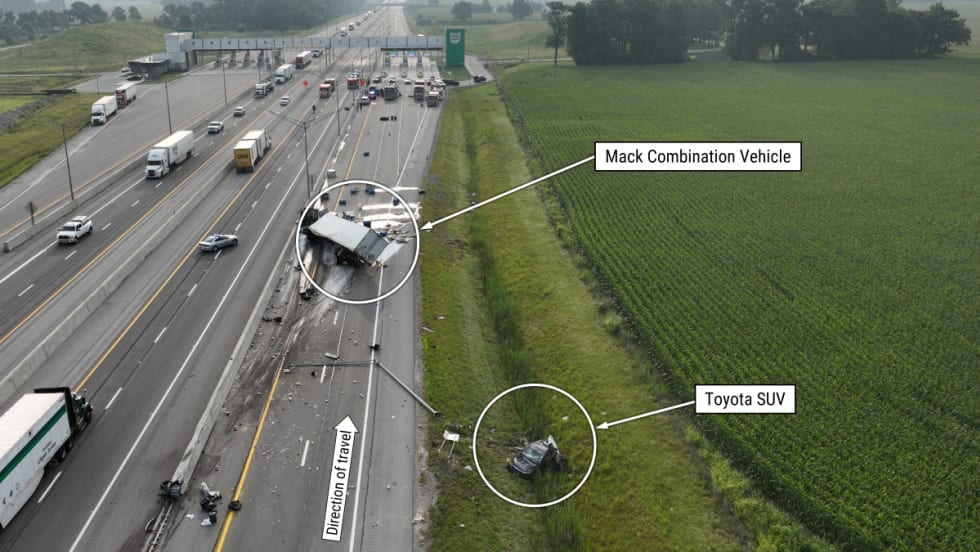
Fatal Crash Exposes Toll Plaza Risks
An NTSB investigation found that last-minute lane changes and large speed differences at an Ohio toll plaza created a hazard the truck driver couldn't avoid in time.
Read More →

When Language Stops the Truck: The Return of ELP Out-of-Service Orders
English language proficiency rules for commercial drivers aren’t new, but renewed out-of-service enforcement has raised the stakes. Here’s what carriers need to know before a driver reaches a roadside inspection.
Read More →
A Camera Isn't a Safety Program. Here's What Brokers Are Screening for Now
Footage alone may not be enough to pass broker vetting processes. Here's what counts as a defensible safety program now.
Read More →
Marijuana and Trucking’s Drug-Testing Dilemma
Marijuana is getting stronger, laws are changing, and drug tests still can’t reliably establish impairment. What does that mean for truck drivers and the fleets that employ them?
Read More →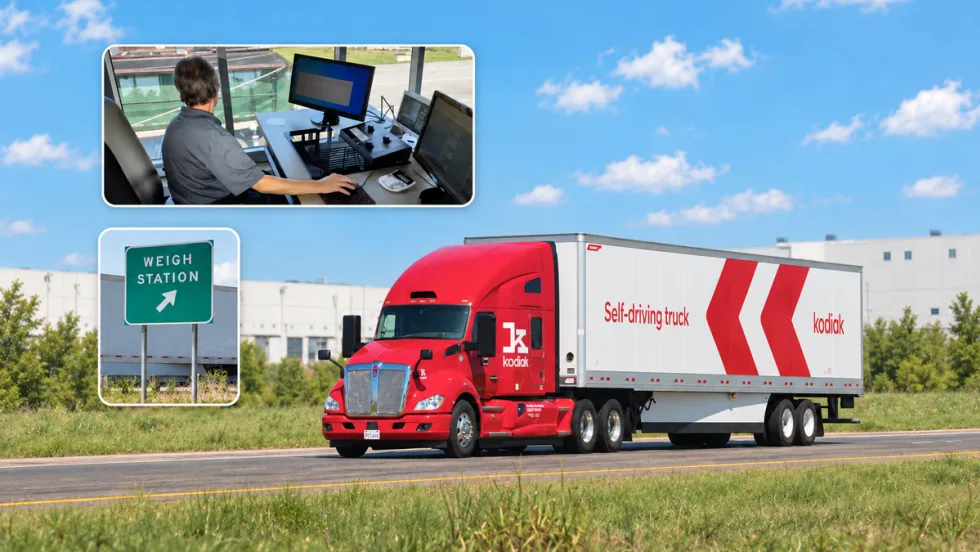
PrePass, Kodiak Connect Driverless Trucks to Roadside Enforcement
The system will allow enforcement agencies to verify Enhanced Inspection information and decide whether Kodiak’s autonomous trucks can bypass roadside screening sites.
Read More →
From One Generation to the Next: How Mentorship Builds Safer Truck Drivers
After three decades in trucking, Harold Perry shares what he's learned about driver safety, mentorship, and helping the next generation build confidence behind the wheel.
Read More →
FMCSA Pauses Biennial-Update Enforcement Amid Motus Transition
Carriers whose updates were due on or after June 1 have more time, while FMCSA works to stabilize its new registration system and warns of phishing sites impersonating its new carrier registration system, Motus.
Read More →
ZF Expands Commercial Vehicle Push in North America
ZF is expanding its North American commercial-vehicle presence with new transmission applications, electrification, trailer technology and autonomous-driving systems.
Read More →