




Obama Proposes Energy Security Trust, Sets Aside $2 Billion to Fund Alt-Fuel Transportation Research
U.S. President Barack Obama delivered a speech at Argonne National Laboratory on Friday, March 15, where he described his proposal for a new U.S. Energy Security Trust. The Trust would set aside $2 billion from revenues from oil and natural gas production on domestic, publicly owned land over a 10-year period.
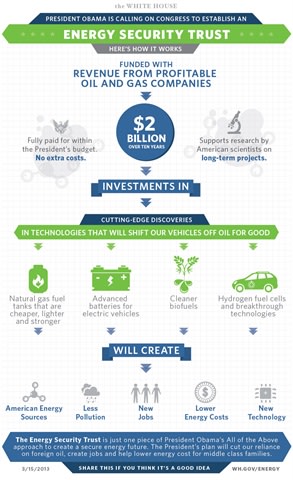
U.S. President Barack Obama delivered a speech at Argonne National Laboratory on Friday, March 15, where he described his proposal for a new U.S. Energy Security Trust. The Trust would set aside $2 billion from revenues from oil and natural gas production on domestic, publicly owned land over a 10-year period.
In unveiling the details of his “Blueprint for a Clean and Secure Energy Future,” the President said, “The only way to really break this cycle of spiking gas prices, the only way to break that cycle for good, is to shift our cars entirely—our cars and trucks—off oil.”
The President said he chose Argonne as the location to make the announcement because advances at laboratories such as Argonne have helped the auto industry develop a wider range of alternative-fuel vehicles. He went on to say that the idea for an Energy Security Trust came from retired admirals and generals in different branches of the U.S. armed services and from corporations. He specifically mentioned the CEO of FedEx as an influence on this plan.
The $2 billion in the Trust would fund research on a range of alternative-fuel transportation technologies, including vehicles that run on electricity, biofuels, fuel cells, and natural gas. The President’s proposal also calls on Congress to set a goal of cutting U.S. net oil imports by half (compared to 2008 levels) by 2020.
Other items in the plan include committing to partnerships with the private sector to adopt natural gas and other types of alternative-fuel vehicles in truck fleets. The plan would create a new incentive, which would be in place for five years, that provides a credit for 50% of the incremental cost of purchasing a medium- or heavy-duty truck that operates on natural gas or other alternative fuels.
Beyond transportation, the proposal calls for research into areas that will improve the Department of Interior’s ability to grant permits related to energy production, make the renewable energy Production Tax Credit permanent and refundable, improve the efficiency of electricity generation technologies and facilities, and invest in technologies that improve energy efficiency and reduce waste.
The White House released an infographic that details some of the key points of the proposal, which you can see below.

More Fleet Management

Public Wi-Fi Cybersecurity Risks: How Truck Drivers and Fleets Can Protect Their Data
Public Wi-Fi can expose truck drivers and fleets to credential theft, malware, and other cyber threats. Here’s how to reduce the risk on the road.
Read More →
For Nicky Cupp, Fleet Innovation Starts With Frustration
HDT Truck Fleet Innovator Nicky Cupp turns everyday pain points at Fraley & Schilling into opportunities for better technology and smarter processes.
Read More →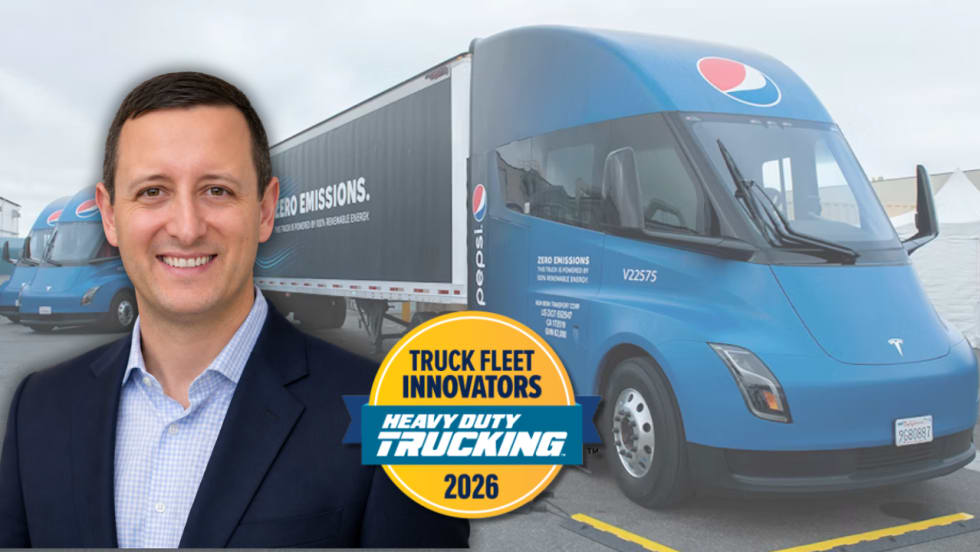
Adam Buttgenbach’s Approach to Electric Trucks: Start With Where They Fit
HDT Truck Fleet Innovator Adam Buttgenbach helped PepsiCo build one of North America’s largest EV fleets by focusing on where electric trucks make operational sense.
Read More →
Deen Albert: Let Automation Do the Math, People Make the Decisions
HDT Truck Fleet Innovator Deen Albert makes sure people are still at the heart of operations at Grand Island Express, even while adopting artificial intelligence tools. AI-assisted dispatch helped boost revenue 25% with the same number of trucks.
Read More →
Trimble’s New AI Agent Takes Aim at Fleet Back-Office Busywork
Arc Agent works across Trimble TMS products to automate repetitive tasks such as freight orders, maintenance, invoices, fuel costs and more.
Read More →
How HDT’s 2026 Truck Fleet Innovators Are Rethinking Fleet Operations
Meet five trucking leaders who are challenging assumptions, solving operational problems, and putting innovative ideas to work.
Read More →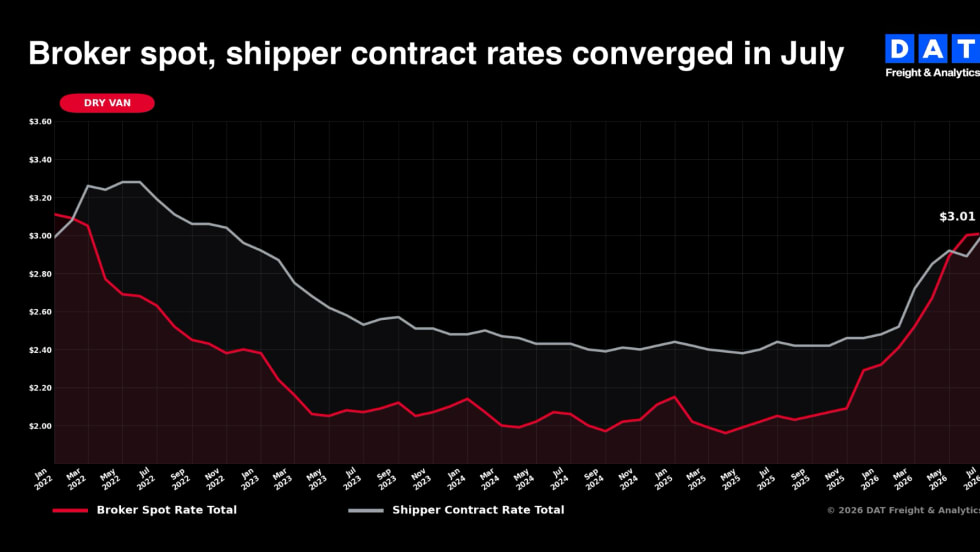
Tight Trucking Capacity Pushes Rates Higher Even as Freight Volumes Fall
“Spot rates moving ahead of contract rates have historically signaled a tightening market, but we haven’t seen a capacity-driven market quite like this one,” said DAT's Dean Croke.
Read More →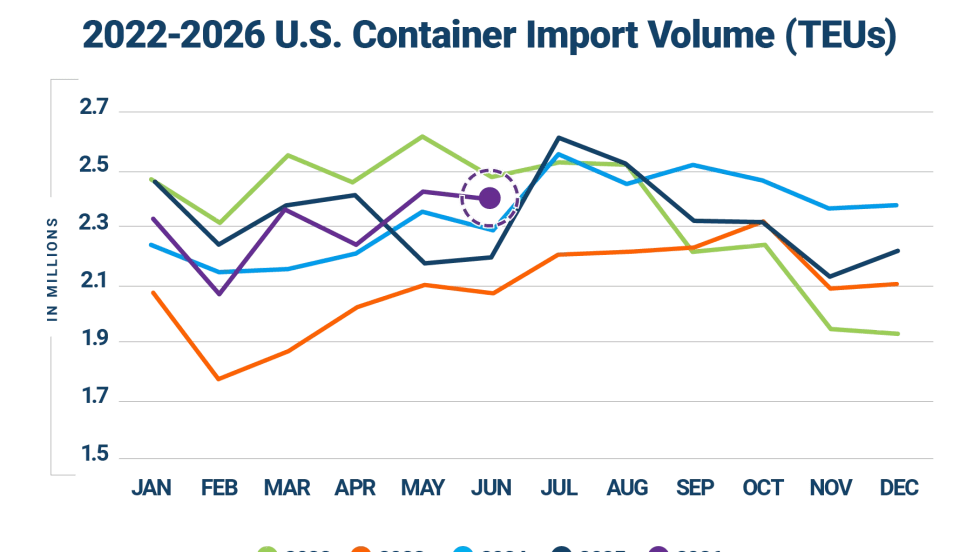
Import Cargo’s Early Peak Season is Winding Down
There was an early start to peak season this year at the nation's gateway ports, as retailers brought in merchandise ahead of tariff changes in late July and responded to other supply chain uncertainties,
Read More →
Fewer Cargo Thefts, Bigger Losses: Criminals Target Higher-Value Loads
CargoNet says organized theft rings are stealing fewer shipments but choosing more valuable freight, including metals and technology, resulting in record losses.
Read More →
How Innovative Trucking Leaders Turn Change Into an Advantage
As the pace of change accelerates in trucking, the fleets that adapt best have more than the latest technology. They have cultures that embrace improvement.
Read More →