




Obama Intervenes in U.S. Rail Dispute, Forestalling a Friday Strike
President Obama has intervened in stalled contract negotiations with locomotive engineers from several freight railroads in order to head off a potential strike.
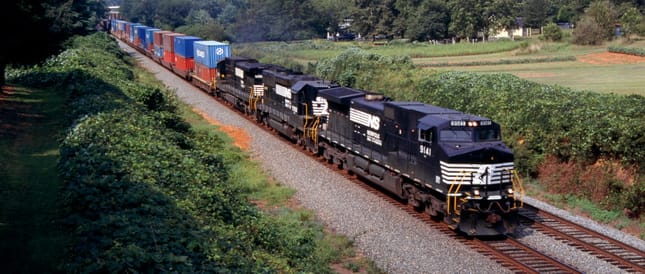
Had the White House not intervened, a walkout could have begun on Friday. Photo credit: Norfolk Southern.
President Obama has intervened in stalled contract negotiations with locomotive engineers from several freight railroads in order to head off a potential strike.
Reuters is reporting that the President has signed an executive order that would create an emergency board to help resolve the contract dispute between 11 unions and the largest U.S railroads, including Burlington Northern Santa Fe, CSX Corp, Norfolk Southern and Union Pacific.
The Brotherhood of Locomotive Engineers and Trainmen representing nearly 25,000 workers out of the total group 80,000 workers is the only major union to have authorized a walkout. Had the White House not intervened, a walkout could have begun on Friday.
"It's in our national interest to make sure our freight rail system runs smoothly, since a disruption could affect businesses across the country and cause unnecessary damage to our already-fragile economy," Obama said in a statement.
Reuters says the National Mediation Board had overseen rail talks for more than a year and had already notified the White House that mediation had failed. That cleared the way for possible union strikes at 12:01 a.m. EDT on Friday unless the Obama administration acted to head them off.
Government intervention is permitted under federal law in railroad and airline disputes if an impasse or potential strike is considered damaging to commerce.
More Fleet Management

How Telematics Improves Visibility, Control, and Performance in Refrigerated Fleets
Explore how telematics help refrigerated fleets improve visibility, uptime, efficiency, compliance, and cargo protection across connected cold chain operations.
Read More →
What the U.S.-Canada Trade War Means for Trucking
Escalating U.S.-Canada tariffs could disrupt cross-border freight, reduce truck volumes, raise costs, and create new uncertainty for carriers on both sides of the border.
Read More →
What Are Trucking’s Top Concerns for 2026?
The American Transportation Research Institute wants to know what's worrying trucking fleet managers, drivers, and other stakeholders in its annual Industry Issues survey.
Read More →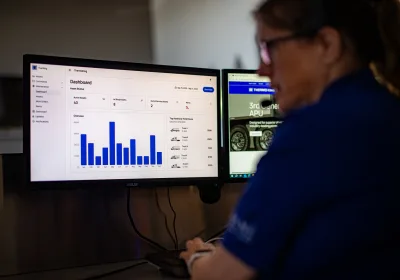

American Trucking Associations Looks for a New Leader
ATA President and CEO Chris Spear abruptly left his job at the association on August 21, at a pivotal time for the trucking industry.
Read More →
Public Wi-Fi Cybersecurity Risks: How Truck Drivers and Fleets Can Protect Their Data
Public Wi-Fi can expose truck drivers and fleets to credential theft, malware, and other cyber threats. Here’s how to reduce the risk on the road.
Read More →
For Nicky Cupp, Fleet Innovation Starts With Frustration
HDT Truck Fleet Innovator Nicky Cupp turns everyday pain points at Fraley & Schilling into opportunities for better technology and smarter processes.
Read More →
Adam Buttgenbach’s Approach to Electric Trucks: Start With Where They Fit
HDT Truck Fleet Innovator Adam Buttgenbach helped PepsiCo build one of North America’s largest EV fleets by focusing on where electric trucks make operational sense.
Read More →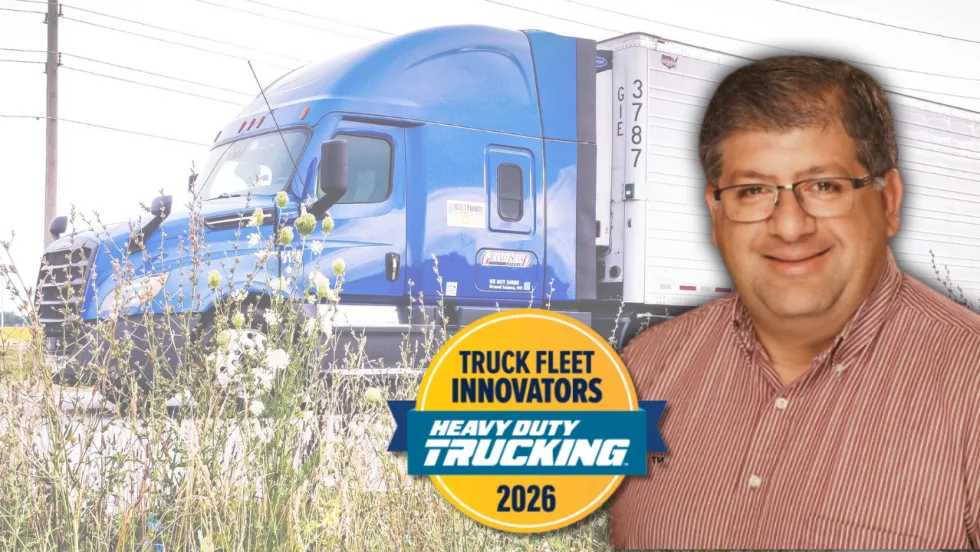
Deen Albert: Let Automation Do the Math, People Make the Decisions
HDT Truck Fleet Innovator Deen Albert makes sure people are still at the heart of operations at Grand Island Express, even while adopting artificial intelligence tools. AI-assisted dispatch helped boost revenue 25% with the same number of trucks.
Read More →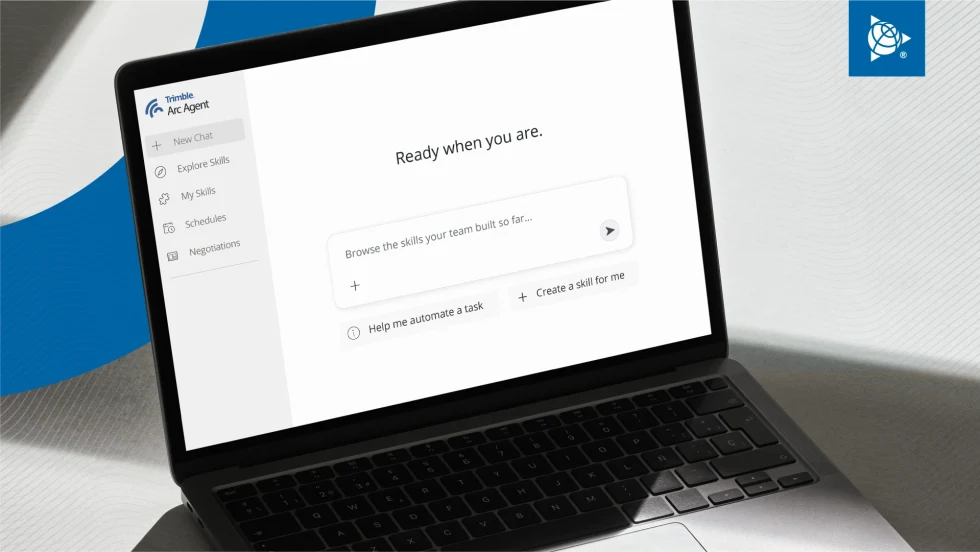
Trimble’s New AI Agent Takes Aim at Fleet Back-Office Busywork
Arc Agent works across Trimble TMS products to automate repetitive tasks such as freight orders, maintenance, invoices, fuel costs and more.
Read More →
How HDT’s 2026 Truck Fleet Innovators Are Rethinking Fleet Operations
Meet five trucking leaders who are challenging assumptions, solving operational problems, and putting innovative ideas to work.
Read More →