




NY-NJ Ports Pushed to Reinstate Older-Truck Ban
Key New Jersey politicians along with activist groups, including the Teamsters union, on June 16 pushed for launching a more aggressive program to replace older trucks operating at the Port of New York and New Jersey to reduce the impact of air pollution on nearby residents, per a Journal of Commerce news story.
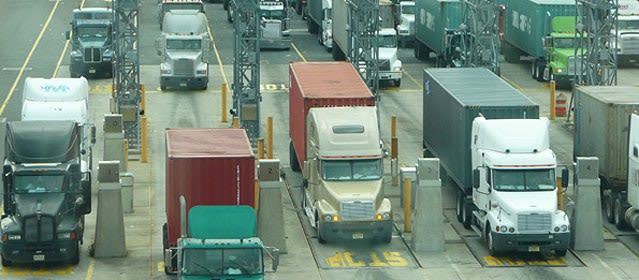
Image: PANYNJ
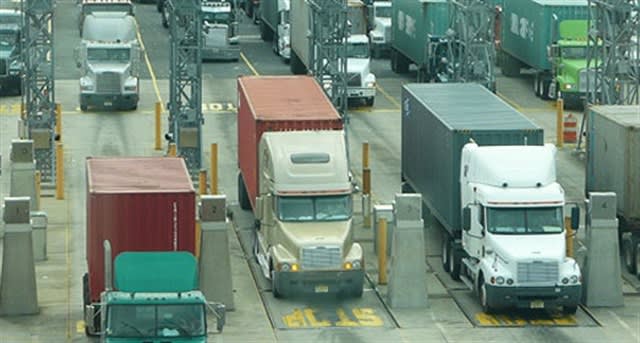
Image: PANYNJ
Key New Jersey politicians along with activist groups, including the Teamsters union, on June 16 pushed for launching a more aggressive program to replace older trucks operating at the Port of New York and New Jersey to reduce the impact of air pollution on nearby residents, according to a Journal of Commerce news story.
At a press conference on the steps of Newark City Hall, the Mayor of Newark, Ras Baraka, along with representatives of Sen. Cory Booker (D-N.J.), formerly a Newark mayor, and members of a coalition of community activists and unions called for PANYNJ to reinstate a ban on trucks with engines from MY 2007 or earlier.
JOC reported that Amy Goldsmith, chair of the Coalition for Healthy Ports, said at the presser that “The time is long overdue for the port authority to adopt rules that require immediate and substantial reductions in the deadly diesel emissions from the trucks serving the Port of Newark. This is especially outrageous because lower emission and near-zero emission trucks are now available and in use where other port authorities have required it.”
While PANYNJ dropped the all-out ban, it is still offering funding to assist port truckers operating older trucks to buy newer, more environmentally friendly vehicles.
Back in January, the joint agency said $10.2 million in funds for its Truck Replacement Program will provide grants for a portion of the cost of replacing trucks with MY 1994 and 1995 engines that now call on the port. In addition, the agency has set a goal to eventually have all trucks serving its terminals equipped with 2007 or newer engines.
JOC also reported that when asked to respond to the call to reinstate the ban, PANYNJ spokesman Steve Coleman stated that “the port authority urges the city of Newark to enforce existing ordinances that regulate truck traffic and truck idling on local streets, both those destined for the port and those making local deliveries.”
Jeff Bader, president of the Association of Bi-State Motor Carriers, was quoted by JOC as saying the ban “would create hardship for the entire port community” and that it would be no more acceptable now than when it was dropped.
At the press conference, JOC also reported that Mayor Baraka repeated his previously stated demand that more port jobs go to Newark residents.
More Fleet Management
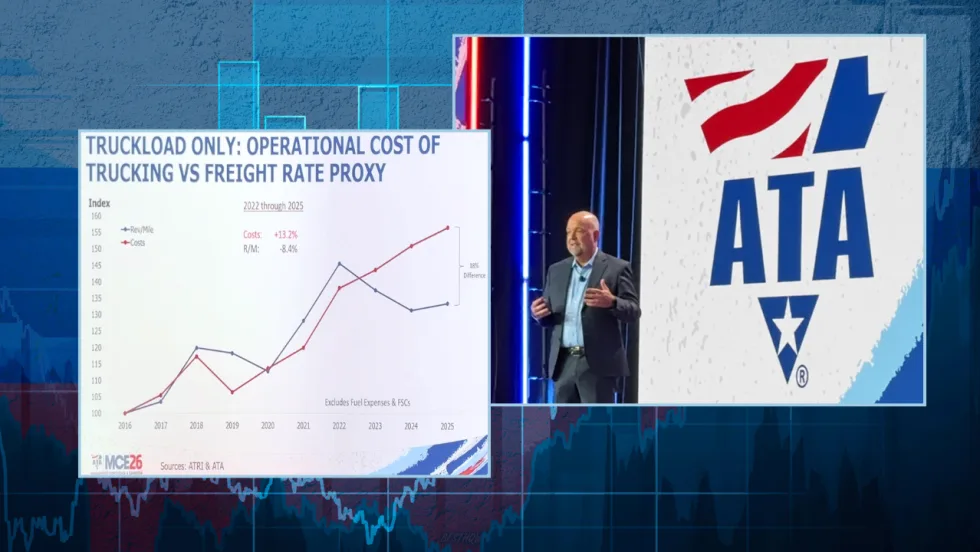
Why This Trucking Recovery Is Different
Freight demand remains sluggish, but rising costs and tougher enforcement have taken enough capacity out of the market to change the outlook for motor carriers.
Read More →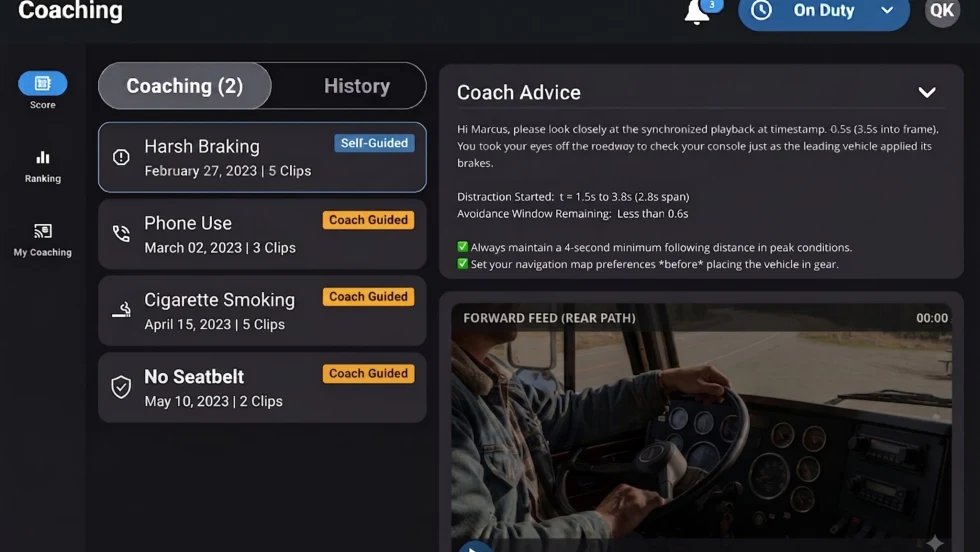
Platform Science Adds Dispatch and Safety Tools
Four additions to PS Fleet help fleets monitor loads, manage driver coaching, share truck locations and adjust video system settings.
Read More →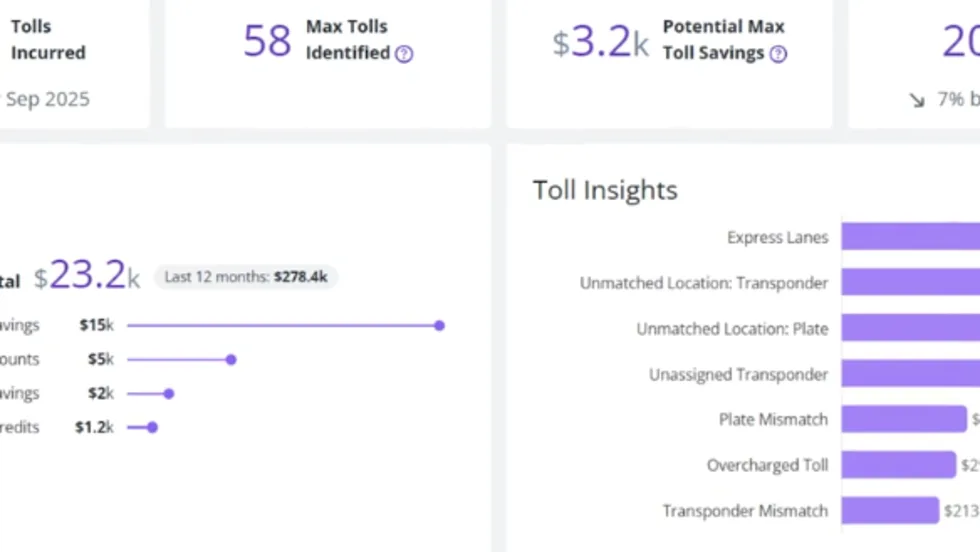
PrePass Intelligence Mines Fleet Bypass, Toll and Safety Data
PrePass Intelligence helps fleets measure bypass savings, flag potential toll overcharges, and spot suspicious transactions by combining data from separate systems.
Read More →
Motive Adds AI Agents for Fleet Operations
New tools automate follow-up on fleet data, from maintenance work orders to driver alerts, with two-way voice conversations planned for later this year.
Read More →
Can You Beat Our Trucking Trivia Challenge?
Test your truck knowledge with 19 trivia questions from Heavy Duty Trucking Exchange. Can you keep up with the fleet pros?
Read More →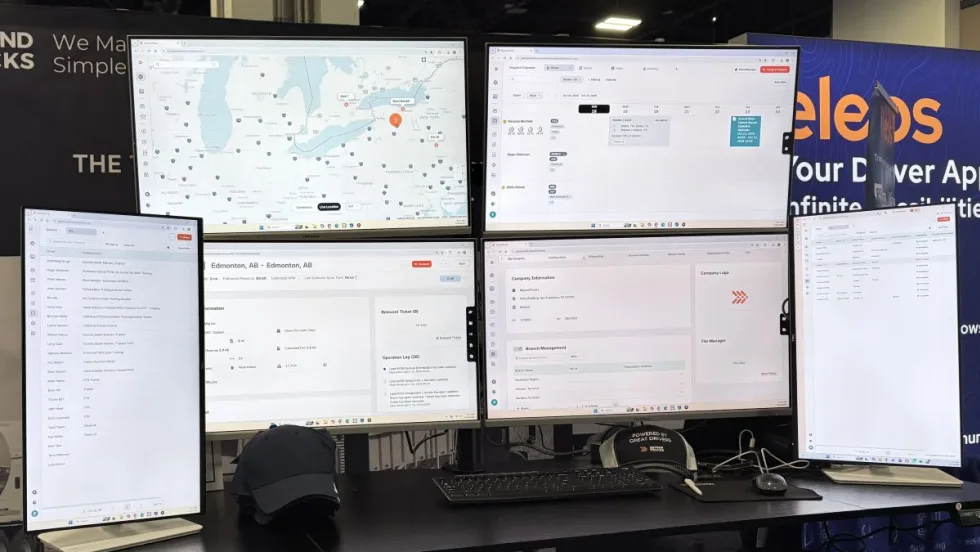
BeyondTrucks Adds Rules Checks to Dispatch
New Compatibility Engine checks driver qualifications, equipment requirements and fleet policies before loads are dispatched.
Read More →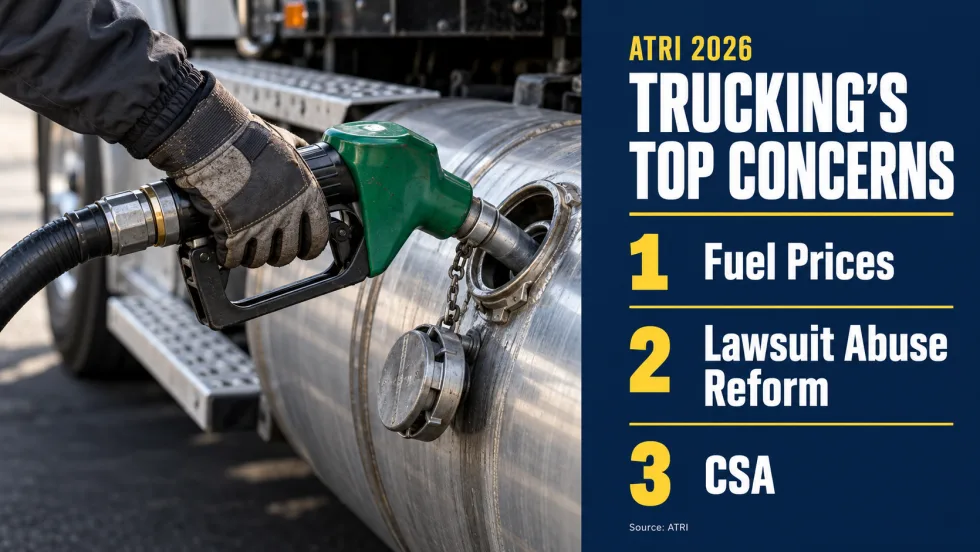
Diesel Prices Hijack Trucking’s Worry List
ATRI’s annual survey finds cautious optimism about freight, but diesel costs, litigation, and insurance continue to squeeze fleets. Drivers have different priorities on several issues.
Read More →
Nomination Deadline Extended for HDT Emerging Leaders
Just a few more days to nominate accomplished trucking fleet professionals under 40 who are making an impact and helping lead the industry forward for the HDT Emerging Leaders award. Deadline extended to October 20!
Read More →
What Will ATA’s New Leader Bring to Trucking's Table?
Incoming President and CEO Mark Colson’s record in Alabama offers clues about his priorities and approach following Chris Spear’s abrupt departure as the head of the American Trucking Associations.
Read More →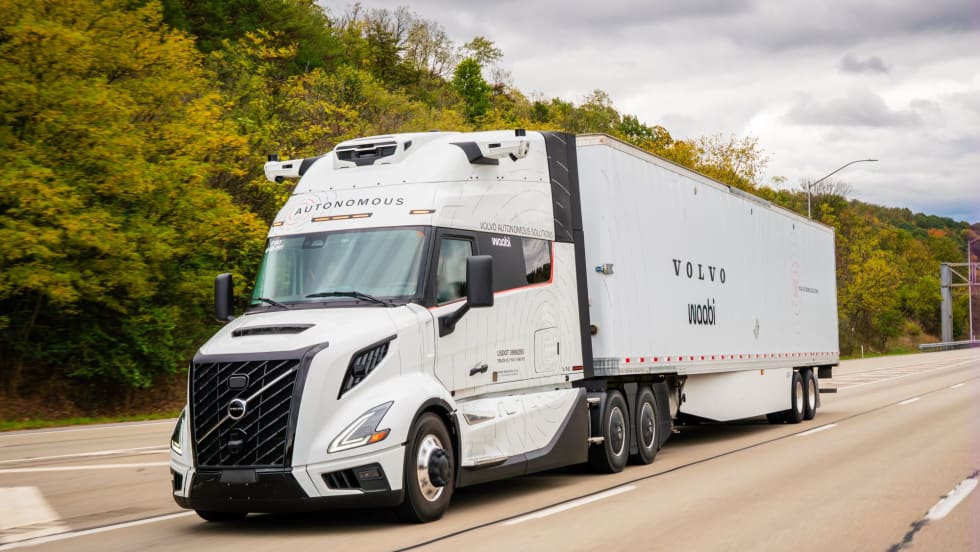
Volvo, Waabi Start Commercial Autonomous Operations in Texas
Volvo VNL Autonomous trucks, powered by the Waabi Driver, are hauling freight directly to third-party facilities for a customer in Texas.
Read More →