




NY-NJ Port Authority Revises Older-Trucks Plan
The Port Authority of New York and New Jersey is proposing to deny access to trucks with model year 1994 and 1995 engines, effective January 1, 2018, and to require that, effective March 1, 2016, new trucks seeking to serve the port terminals must be equipped with a 2007 or newer model year engine..

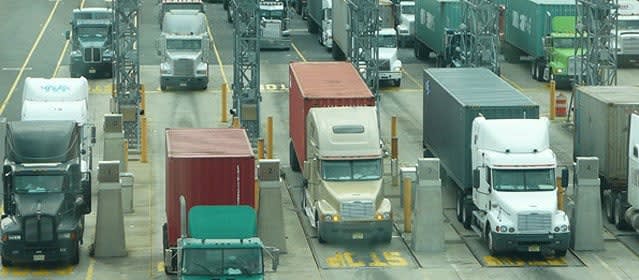
Photo: Port Authority of New York and New Jersey
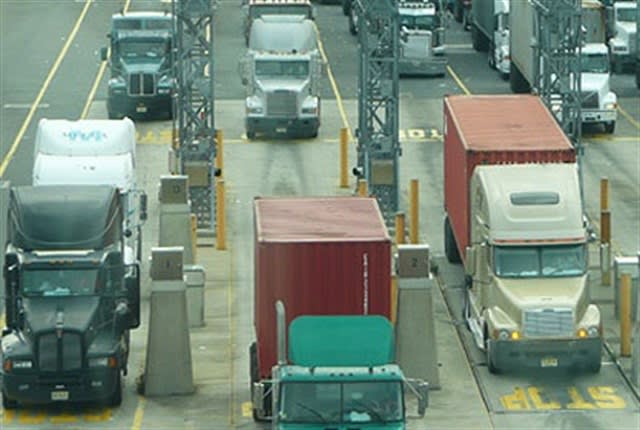
Photo: Port Authority of New York and New Jersey
The Port Authority of New York and New Jersey is proposing to modify the tariff for operating at its marine terminals to deny access to trucks with model year 1994 and 1995 engines, effective January 1, 2018, and to require that, effective March 1, 2016, new trucks seeking to serve the port terminals must be equipped with a 2007 or newer model year engine.
The proposed changes to engines allowed by the tariff will be posted on the Port Authority website and available for comment during a 30-day period beginning in February. Comments may be emailed to: publiccomments@panynj.gov.
PANYNJ also announced that it will commit $1.2 million to supplement the $9 million the joint agency expects to receive in federal funding to assist port truckers operating older trucks to buy newer, more environmentally friendly vehicles.
The joint agency said the total $10.2 million in funds for its Truck Replacement Program will provide grants for a portion of the cost of replacement trucks. The program’s stated goal is to replace some 400 trucks with model-year 1994 and 1995 engines that now call on the port.
According to PANYNJ, the approximately 400 newer trucks would result in emissions reductions of about 184 tons of fine particulate matter and 3,843 tons per year of nitrogen oxides over the remaining useful life of the vehicles being replaced. “This is the equivalent of taking more than 56,000 automobiles off the road each year, based on an Environmental Protection Agency formula,” the agency noted.
In addition, the Port Authority has set a goal to eventually have all trucks serving its terminals equipped with 2007 or newer engines.
The agency said it is “working closely with financial institutions to explore whether low-interest loans can be made available to truckers for the replacement of trucks serving the port with model year 1996 to 2006 engines.”
Since the Truck Replacement Program was launched in 2010, PANYNJ has facilitated the replacement of 429 trucks with newer models.
To date, the program has resulted in an estimated emission reduction of 157 tons of fine particulate matter and 4,122 tons of nitrogen oxide for the remaining useful life of the vehicles that were replaced.
“Our goal is to balance the need to efficiently and effectively move goods to and from our port terminals, while continuing to be good environmental stewards to the communities that surround our port facilities," said Port Authority Port Commerce Director Molly Campbell. "We believe our plan achieves this balance and will ensure that we continue to systematically address this issue for all stakeholders.”
More Fleet Management
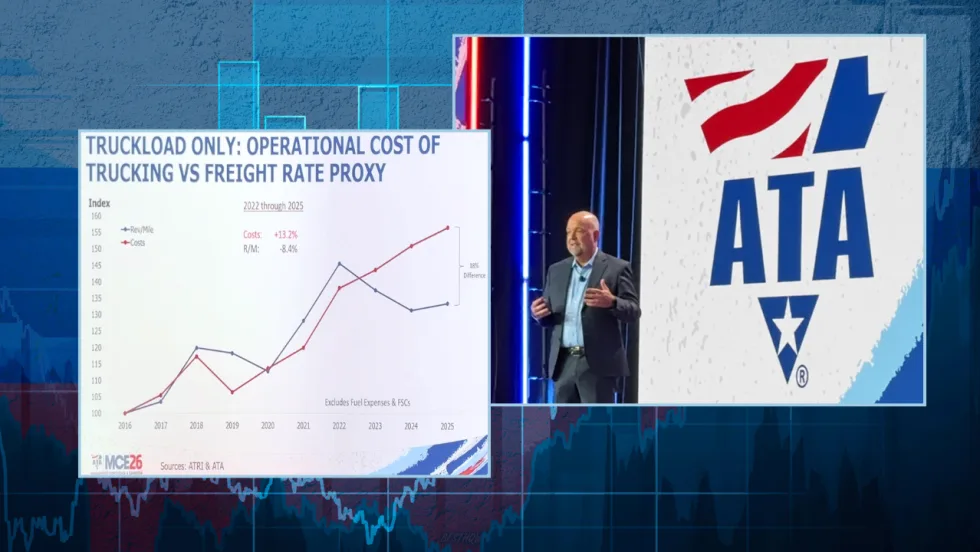
Why This Trucking Recovery Is Different
Freight demand remains sluggish, but rising costs and tougher enforcement have taken enough capacity out of the market to change the outlook for motor carriers.
Read More →
Platform Science Adds Dispatch and Safety Tools
Four additions to PS Fleet help fleets monitor loads, manage driver coaching, share truck locations and adjust video system settings.
Read More →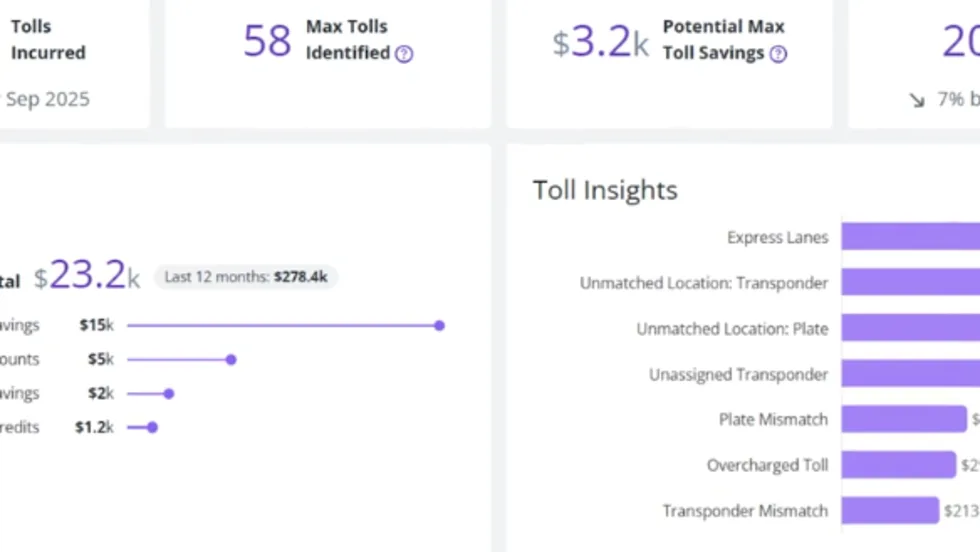
PrePass Intelligence Mines Fleet Bypass, Toll and Safety Data
PrePass Intelligence helps fleets measure bypass savings, flag potential toll overcharges, and spot suspicious transactions by combining data from separate systems.
Read More →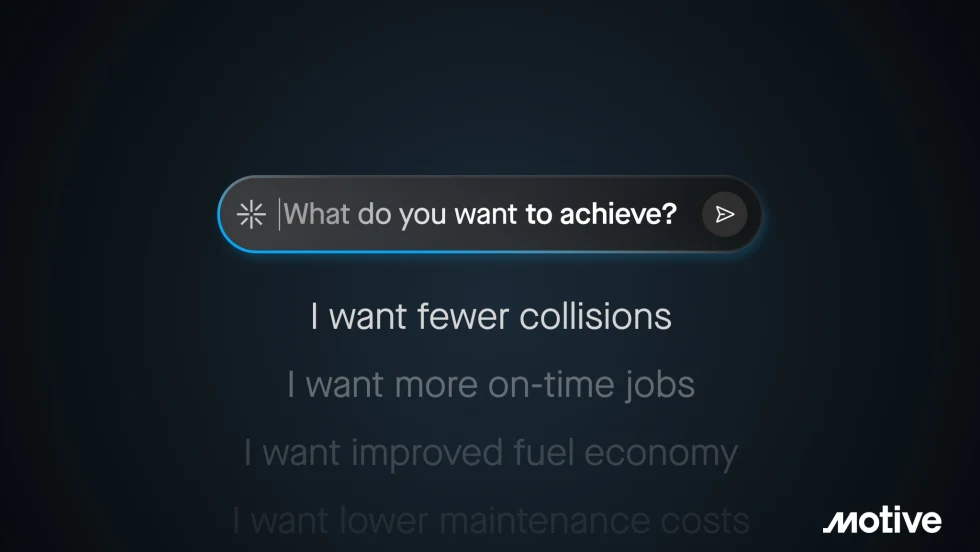
Motive Adds AI Agents for Fleet Operations
New tools automate follow-up on fleet data, from maintenance work orders to driver alerts, with two-way voice conversations planned for later this year.
Read More →
Can You Beat Our Trucking Trivia Challenge?
Test your truck knowledge with 19 trivia questions from Heavy Duty Trucking Exchange. Can you keep up with the fleet pros?
Read More →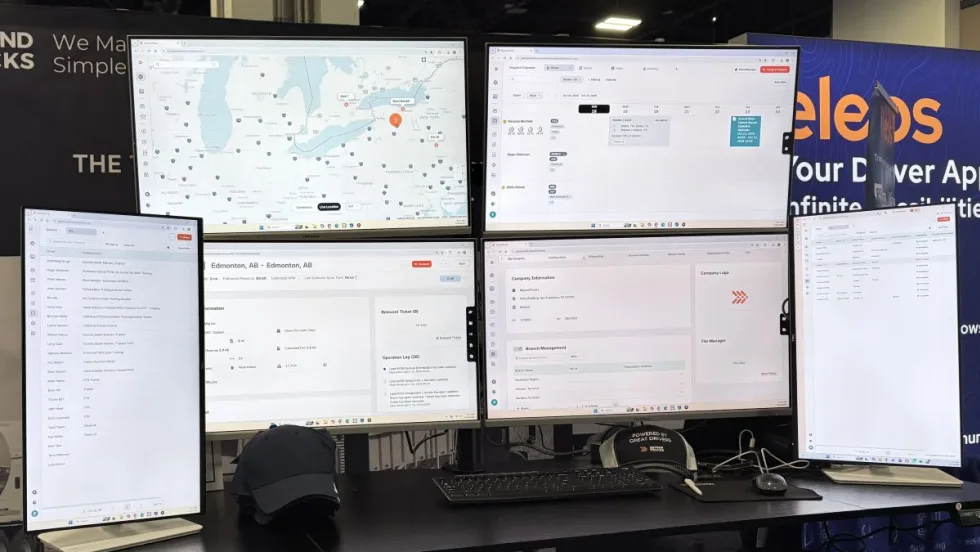
BeyondTrucks Adds Rules Checks to Dispatch
New Compatibility Engine checks driver qualifications, equipment requirements and fleet policies before loads are dispatched.
Read More →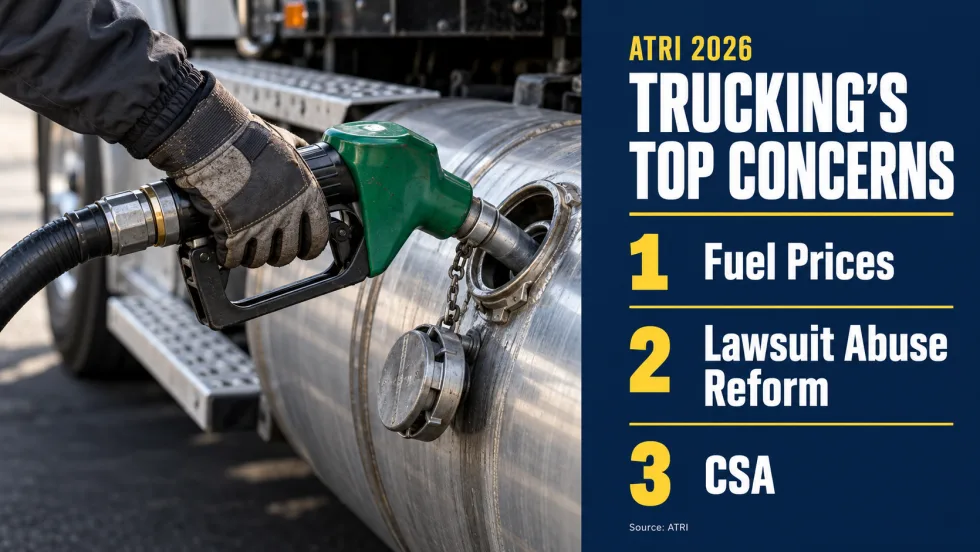
Diesel Prices Hijack Trucking’s Worry List
ATRI’s annual survey finds cautious optimism about freight, but diesel costs, litigation, and insurance continue to squeeze fleets. Drivers have different priorities on several issues.
Read More →
Nomination Deadline Extended for HDT Emerging Leaders
Just a few more days to nominate accomplished trucking fleet professionals under 40 who are making an impact and helping lead the industry forward for the HDT Emerging Leaders award. Deadline extended to October 20!
Read More →
What Will ATA’s New Leader Bring to Trucking's Table?
Incoming President and CEO Mark Colson’s record in Alabama offers clues about his priorities and approach following Chris Spear’s abrupt departure as the head of the American Trucking Associations.
Read More →
Volvo, Waabi Start Commercial Autonomous Operations in Texas
Volvo VNL Autonomous trucks, powered by the Waabi Driver, are hauling freight directly to third-party facilities for a customer in Texas.
Read More →