




NTSB Vice Chair to Serve 3 More Years
Bruce Landsberg, who has served on the National Transportation Safety Board as vice chairman since August 2018, was re-appointed to the position on Aug. 21.
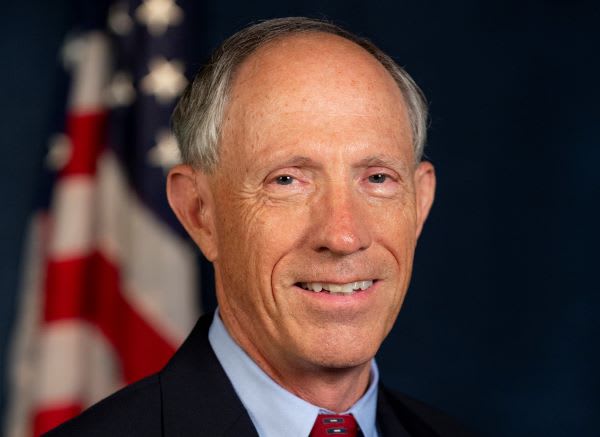
Bruce Landsberg, the National Transportation Safety Board’s (NTSB’s) vice chairman, will continue to serve in the position for a new term of three years.
Photo courtesy NTSB/James Anderson
Bruce Landsberg, the National Transportation Safety Board’s (NTSB’s) vice chairman, will continue to serve in the position for a new term of three years.
President Donald Trump designated Landsberg as the NTSB’s vice chairman on Aug. 21, according to a news release from the board.
Landsberg began a five-year appointment as an NTSB board member Aug. 7, 2018, and on that same day began a two-year term as the NTSB’s vice chairman.
“It’s been a privilege to work with staff, fellow board members, and the public to improve our national transportation system,” Landsberg said. “Unfortunately, there is no shortage of safety opportunities and we’ll be looking at ways to apply some of the systemic approaches that have been used so successfully in aviation to some of the other modes. We’re working toward the goal of zero deaths in transportation, and until we can achieve that goal, we’re working to reduce the number of deaths and injuries that happen every year in every mode of transportation.”
“Bruce brings a wealth of experience to the NTSB with his extensive general aviation safety background,” said NTSB Chairman Robert Sumwalt. “While serving as vice chairman during the past two years, Bruce has provided great assistance to me in my role as chairman. I’m delighted that President Trump has allowed him to continue in that capacity for another three years.”
Landsberg, who has more than 7,000 hours piloting aircraft, holds an Airline Transport Pilot certificate with instructor ratings for airplane single and multi-engine land, instruments, and advanced instrument/ground instructor certificates. A graduate of the University of Maryland with both bachelor’s and master’s degrees, Landsberg also served in the U.S. Air Force.
The term of the NTSB’s chairman and vice chairman was extended from two years to three years by Congress in the NTSB’s October 2018 reauthorization.
Among Landsberg’s priorities from his new term as vice chairman, he wants to see the implementation of safety recommendations related to:
• Reducing distraction and speeding-related highway crashes, reliable automation in vehicles, and automated enforcement on highways.
• Improved weather forecasts and reduction of weather-related aviation crashes through practical and widespread inflight weather reporting by pilots.
• A user-friendly Notices to Airmen System.
Originally posted on School Bus Fleet
More Safety & Compliance

FMCSA Pauses Biennial-Update Enforcement Amid Motus Transition
Carriers whose updates were due on or after June 1 have more time, while FMCSA works to stabilize its new registration system and warns of phishing sites impersonating its new carrier registration system, Motus.
Read More →
ZF Expands Commercial Vehicle Push in North America
ZF is expanding its North American commercial-vehicle presence with new transmission applications, electrification, trailer technology and autonomous-driving systems.
Read More →
Truck Drivers Need More Than Another Alert
Fleets have more visibility into truck health, safety events, and driver activity than ever. The next challenge is turning all that information into useful guidance for the person who has to decide what to do next.
Read More →
Tesla Wants a Self-Driving Semi. Are Cameras Enough?
Could Tesla’s camera-only autonomous driving technology work on an 80,000-pound Semi? In this commentary, HDT's Deborah Lockridge takes a look at Tesla, Cybercab, and how autonomous trucks see the road.
Read More →
What DOT’s Automated Vehicle Strategy Means for Trucking
The U.S. Department of Transportation issued a new automated-vehicle strategy that outlines plans for driverless-truck regulations, cross-state freight corridors, and federal safety standards.
Read More →
NYC Expands Speed, Pedestrian Safety Tech Across Fleet
New York City is expanding intelligent speed assistance and pedestrian-alert systems across its municipal fleet, moving the technologies from pilot programs into vehicle procurement and retrofit requirements.
Read More →
FMCSA Removes 110 Truck Driver Training Schools from Certified ELDT List
Federal regulators also are targeting more than 160 additional training providers and launching a nationwide audit of third-party CDL skills testers as part of a broader crackdown on trucking fraud.
Read More →
Beyond DOT Compliance: What Makes a Trucking Fleet Truly Safe?
A trucking fleet can follow every rule and still make unsafe decisions. The real test comes when safety conflicts with freight, productivity, or cost.
Read More →
Hours of Service Pilot Programs: FMCSA Readies for 2027 Rollout
Two pilot programs could eventually reshape hours-of-service rules, giving truck drivers options to pause their 14-hour clock or use longer split sleeper rest periods.
Read More →
New Guide Offers Pet Safety Tips for Truck Drivers
Hundreds of thousands of pets travel in truck cabs. A new safety guide from Volvo Trucks and the Center for Pet Safety offers practical advice for truck drivers who bring dogs and cats along for the ride.
Read More →