




NTSB Urges Action On Legal Drugs
The National Transportation Safety Board urged the federal government to regulate the use of legal drugs by truck and bus drivers after determining that such drugs played a part in a 1998 Greyhound bus crash in Pennsylvania that killed seven people
The National Transportation Safety Board urged the federal government to regulate the use of legal drugs by truck and bus drivers after determining that such drugs played a part in a 1998 Greyhound bus crash in Pennsylvania that killed seven people.
During a board meeting Wednesday, the NTSB determined that Greyhound driver Milton Wisner's alertness was affected by an antihistamine he took for a chronic sinus problem. The medication's effects, along with other factors, were determined to have contributed to the fatal accident.
The board recommended that the Department of Transportation compile a list of approved medications that are safe to take when driving and to prohibit commercial drivers from using medications not on that list. The NTSB also asked the Food and Drug Administration to develop a "clear, consistent and easily recognizable" warning label for all medicines that could impair a person's ability to drive.
The board asked the new Federal Motor Carrier Safety Administration to develop a procedure for drivers who medically require substances not on the list of approved medications to be allowed to used those medications if appropriate. The NTSB also wants the FMCSA to publish easy-to-understand information for drivers on the hazards of using specific medications when driving.
The board also asked the FMCSA to work with the DOT and other modal administrations to establish testing requirements for a sample of fatal highway and other transportation accidents to determine the role played by common prescription and over-the-counter medications.
Along with the medication problem, the NTSB determined that the Greyhound accident was caused by a sleep debt caused by the scheduled irregular work-rest cycle. It also criticized Greyhound's driver training and safety oversight program, and said that the company ignored anonymous calls to its toll-free safety number.
These issues will likely be discussed further when the NTSB holds a public hearing on commercial driver oversight Jan. 20-21 in New Orleans.
More Safety & Compliance

FDA Eases Path for Oral-Fluid Testing
Federal actions could advance oral-fluid drug testing for truck drivers, but lab certification delays and marijuana rescheduling questions remain.
Read More →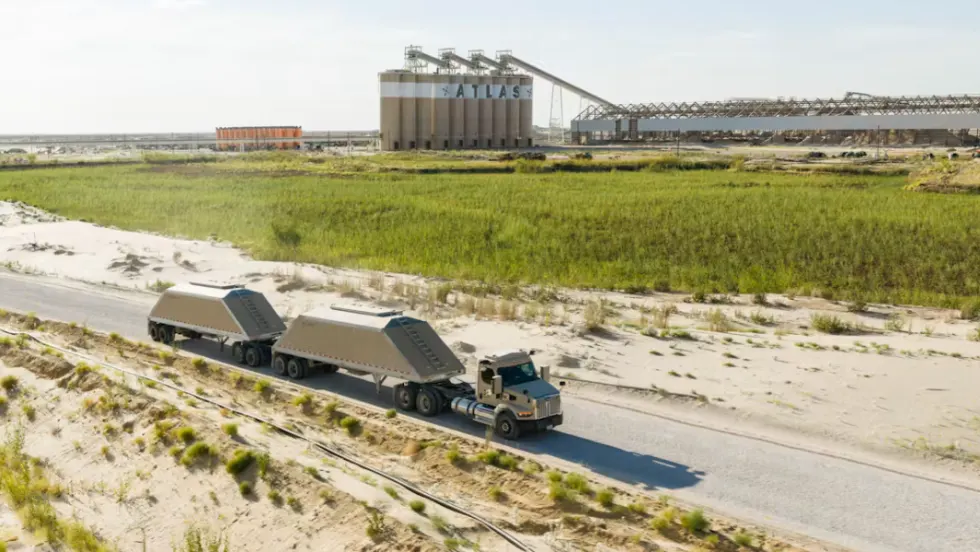
Kodiak Lines Up Fleets for Driverless Trucking
An agreement for 75 trucks, a new Texas freight lane, and progress on safety validation move Kodiak closer to its planned driverless highway launch.
Read More →
More Trailer Data Through the Same Seven-Way [Video]
Can trucking’s standard seven-way connector handle more cameras and trailer data? Grote’s Adam Slade shows HDT how the company is using new technology with its 4See trailer system, not only to add a new backup camera but also to expand other capabilities — without adding another connection.
Read More →
PrePass Intelligence Mines Fleet Bypass, Toll and Safety Data
PrePass Intelligence helps fleets measure bypass savings, flag potential toll overcharges, and spot suspicious transactions by combining data from separate systems.
Read More →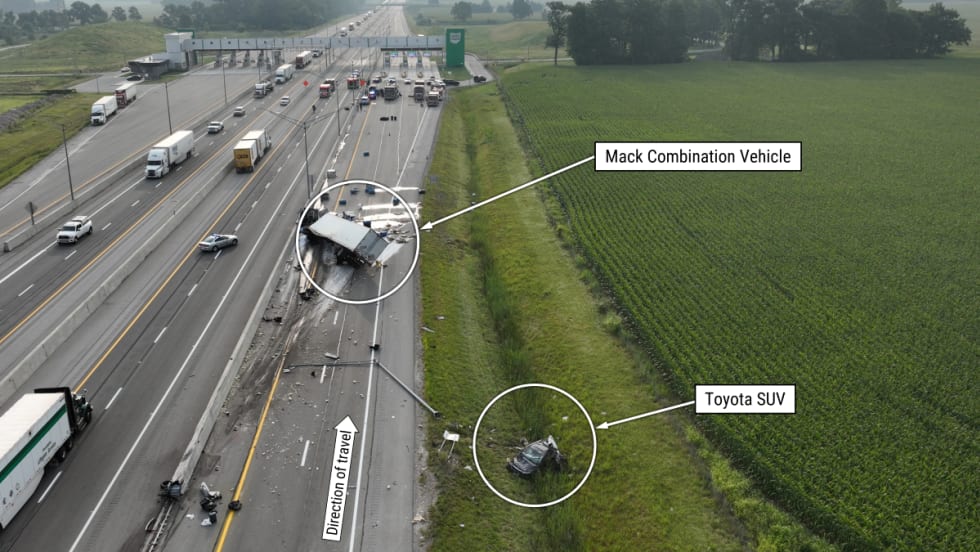
Fatal Crash Exposes Toll Plaza Risks
An NTSB investigation found that last-minute lane changes and large speed differences at an Ohio toll plaza created a hazard the truck driver couldn't avoid in time.
Read More →
When Language Stops the Truck: The Return of ELP Out-of-Service Orders
English language proficiency rules for commercial drivers aren’t new, but renewed out-of-service enforcement has raised the stakes. Here’s what carriers need to know before a driver reaches a roadside inspection.
Read More →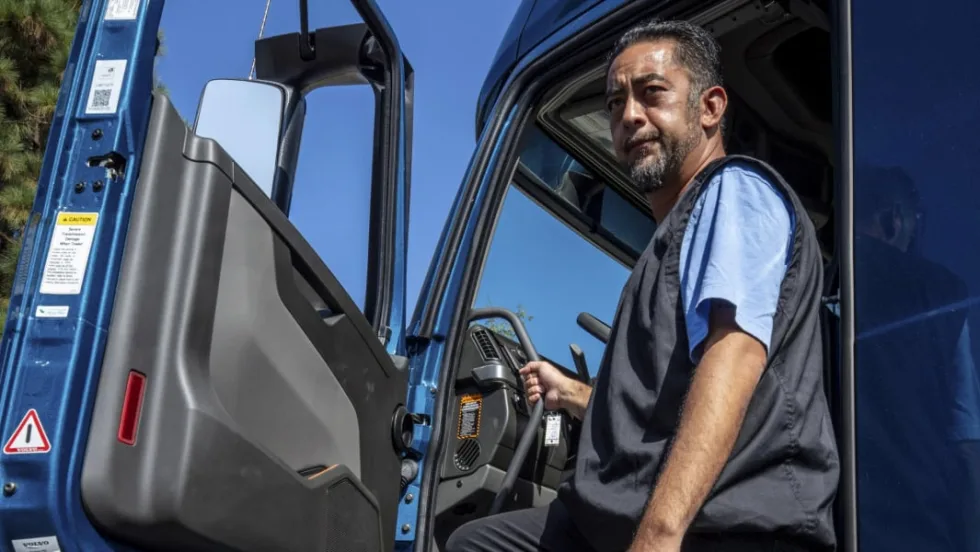
A Camera Isn't a Safety Program. Here's What Brokers Are Screening for Now
Footage alone may not be enough to pass broker vetting processes. Here's what counts as a defensible safety program now.
Read More →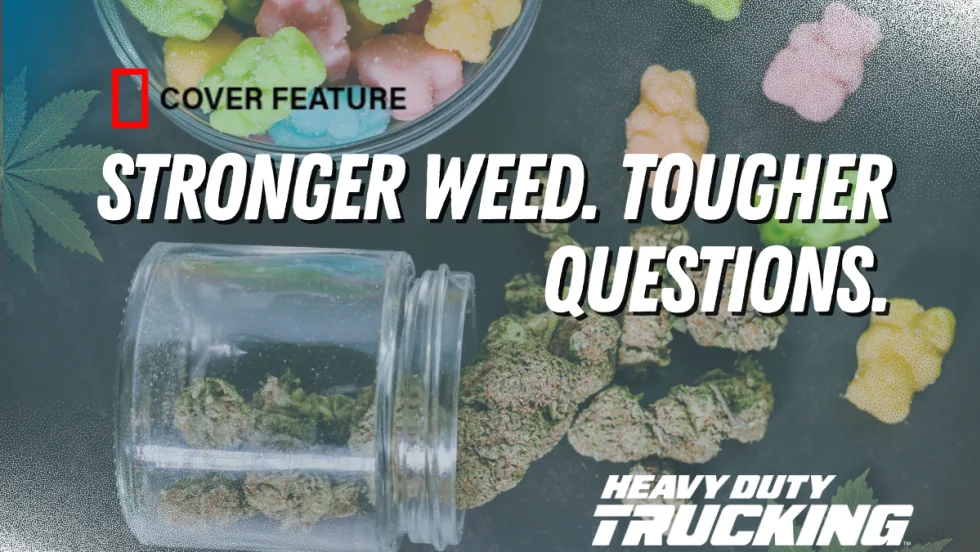
Marijuana and Trucking’s Drug-Testing Dilemma
Marijuana is getting stronger, laws are changing, and drug tests still can’t reliably establish impairment. What does that mean for truck drivers and the fleets that employ them?
Read More →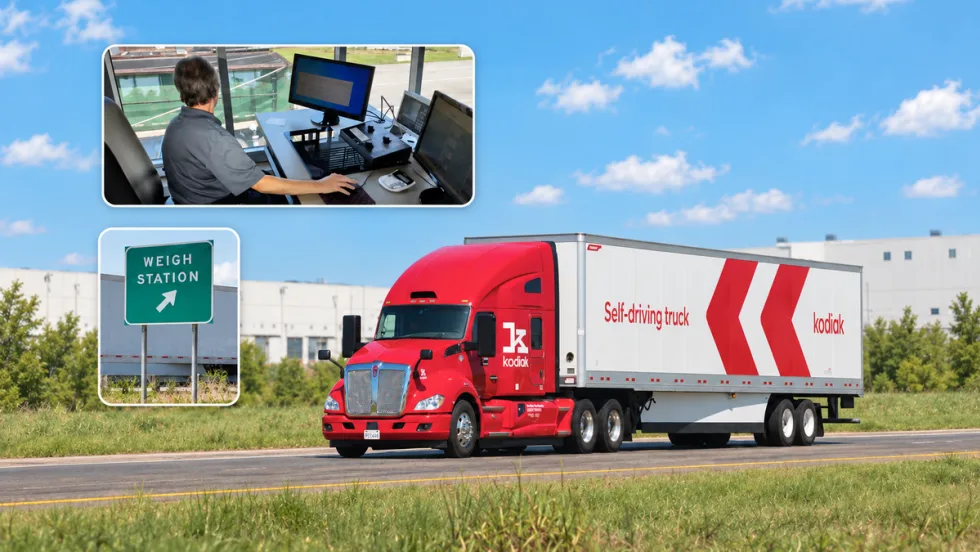
PrePass, Kodiak Connect Driverless Trucks to Roadside Enforcement
The system will allow enforcement agencies to verify Enhanced Inspection information and decide whether Kodiak’s autonomous trucks can bypass roadside screening sites.
Read More →
From One Generation to the Next: How Mentorship Builds Safer Truck Drivers
After three decades in trucking, Harold Perry shares what he's learned about driver safety, mentorship, and helping the next generation build confidence behind the wheel.
Read More →