




NTSB Recommends Training, Oversize Guidelines In Truck-Train Crash
The National Transportation Safety Board says poor route planning and permitting, lack of training about the hazards of railroad crossings, and driver fatigue all contributed to the collision of a passenger train and an oversized tractor-trailer last year in California
The National Transportation Safety Board says poor route planning and permitting, lack of training about the hazards of railroad crossings, and driver fatigue all contributed to the collision of a passenger train and an oversized tractor-trailer last year in California.
The January 2000 accident in Glendale, Calif., caused six minor injuries and $2 million in damages. The NTSB said the probable cause was inadequate preparation and route planning, poor coordination of vehicle movement and permitting authorities, and the lack of recognition of the potential hazard at the grade crossing.
Fatigue of both the pilot car driver and the truck driver also contributed to the crash, said the agency. In addition, the safety board concluded that if the truck driver had received training emphasizing the hazards of railroad grade crossings for oversized/overweight vehicles, he might have recognized the potential hazard and notified the railroad that he was about to traverse the tracks. He also might have raised the height of the trailer before crossing the tracks.
As a result of the accident, the Safety Board made recommendations to the Federal Highway Administration, the City of Glendale, Calif., the Federal Motor Carrier Safety Administration, the American Association of State Highway and Transportation Officials, the International Association of Chiefs of Police, the Specialized Carriers and Rigging Association, and three pilot car associations.
Included were recommendations urging government regulatory agencies and private industry to:
Develop a model pilot car driver training program. The training program should address issues such as how to conduct route surveys; the maneuvering limitations of heavy-haul vehicles; the effects of fatigue on performance; the need to assess the dangers of rail crossings, particularly for low-clearance vehicles; and the need to notify the railroads before an oversized/overweight vehicle is escorted across a highway/railroad grade crossing.
Work with the Federal Highway Administration to develop model oversized/overweight vehicle movement guidelines. The guidelines should address when pilot cars and police escorts are required; the training, testing, and certification of pilot car operators, police officers, and truck drivers in the movement of oversized/overweight loads; and the use of height poles and traffic controls.
Encourage states to adopt the model oversized/overweight vehicle movement guidelines, once developed, and to require that oversized/overweight vehicle movement conform to the guidelines.
Install low-clearance highway-railroad crossing signs at the Grandview Avenue crossing and evaluate other crossings to determine whether the signs are warranted and, if so, install them.
More Safety & Compliance

Wabash Trailers Recalled for Improperly Installed Underride Guards
More than 900 Wabash dry van trailers may not comply with the Federal Motor Vehicle Safety Standard for rear impact guards.
Read More →
Why K&B Trucking Is Embracing AI and Driver Safety Technology
Crunching data and embracing artificial intelligence are key in K&B Trucking's safety efforts, says the company's safety director.
Read More →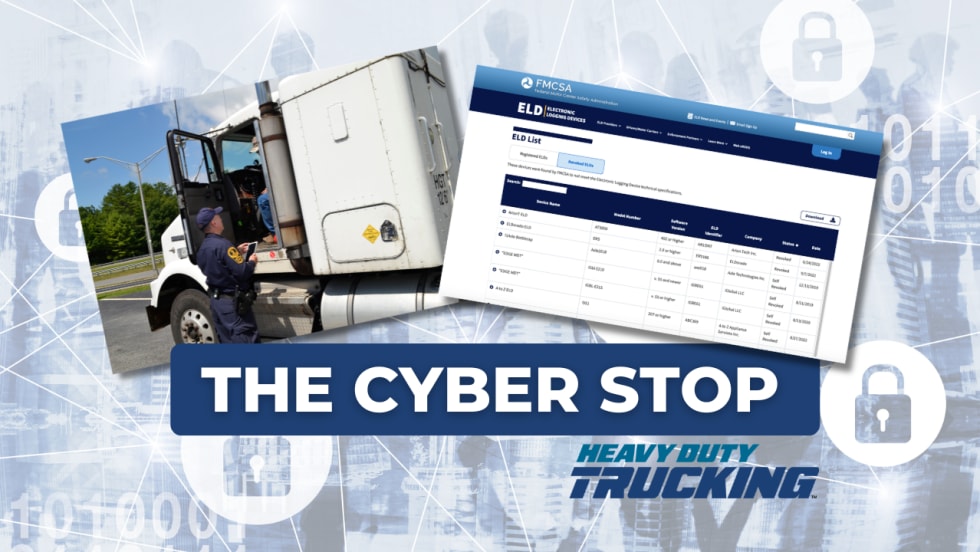
The Hidden Problem Behind FMCSA's ELD Revocations
NMFTA researchers say dozens of registered ELDs may be built on the same software platforms, allowing compliance and security concerns to persist even after individual devices are removed from the market.
Read More →
ATRI Wants Motor Carriers for Driver-Facing Camera Study
In this new study, the American Transportation Research Institute will explore how driver-facing cameras can impact safety and operational metrics in trucking fleets.
Read More →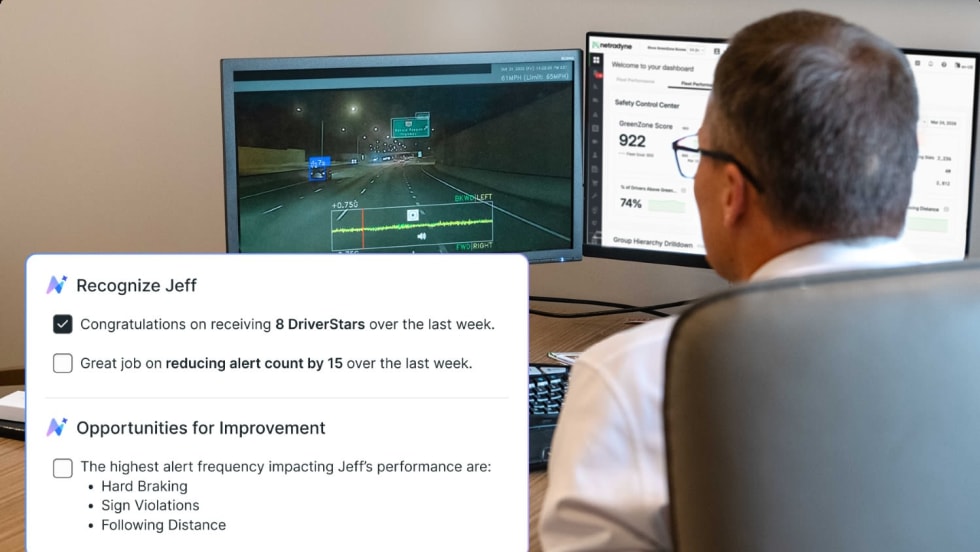
Netradyne Intelligence Uses New AI Agents to Automate Response to In-Cab Camera Data
The company called the next-generation in-cab camera safety platform "a fundamental shift from systems that report on what happened to systems that actively drive what should happen next."
Read More →Mack, Volvo Issue ‘Do Not Drive’ Recall on Possible Wheel-Offs
Owners will be sent advance notice not to operate their affected vehicles until the remedy is performed.
Read More →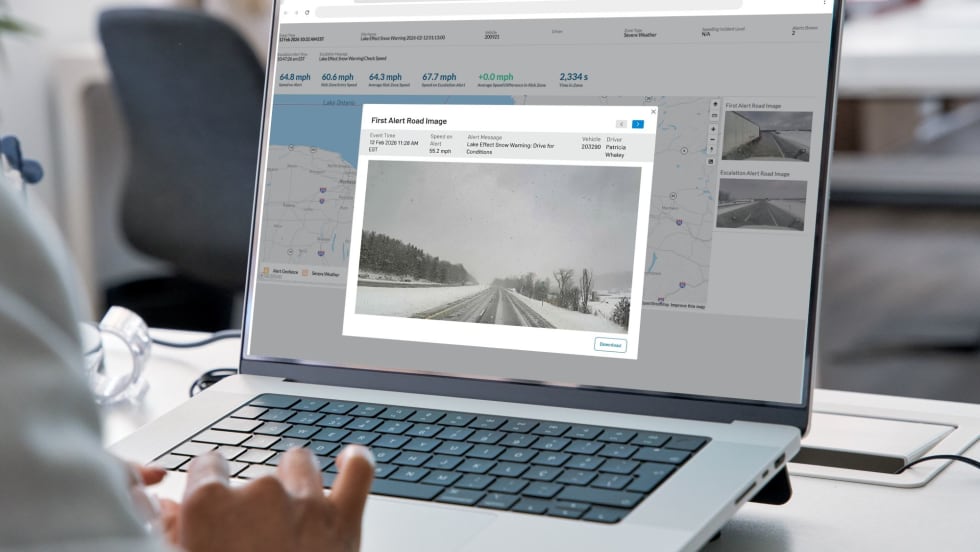
Fleetworthy Integrates Lytx Video Snapshots into Safety+ Platform
A new Fleetworthy-Lytx integration gives fleet managers access to video context alongside safety event data, streamlining driver coaching and incident review.
Read More →
How Waste Connections is Using Data, Telematics, and AI
How do you manage and maintain more than 18,000 connected trucks? Data. Lots of it.
Read More →
Fleet Advantage: Top Logistics Fleets Outperform National Safety Benchmarks
Fleet Advantage's latest TRUST Safety Index found leading logistics fleets maintained significantly lower out-of-service rates and stronger safety scores than national averages, while highlighting persistent challenges related to tires, brakes, and unsafe driving behaviors.
Read More →
Why Fleet Data Matters More Than Ever at Waste Connections [Watch]
Waste Connections' Chuck Palmer explains how telematics, predictive maintenance, safety analytics, and AI help keep vehicles on the road and drivers safe in this episode of HDT Talks Trucking.
Read More →