




NTSB: Railroads Should Be Notified Of Low-Clearance Loads
The National Transportation Safety Board recommended that railroads should be notified before low-clearance, slow-moving loads cross railroad crossings
The National Transportation Safety Board recommended that railroads should be notified before low-clearance, slow-moving loads cross railroad crossings.
The recommendation came as the result of an investigation of a November 2000 crash in Intercession City, Fla., between an Amtrak train and a tractor-trailer. The agency determined that the probable cause of the accident “was the failure of the Kissimmee Utility Authority, its construction contractors and subcontractors, and the motor carrier to provide for the safe passage of the load over the grade crossing.”
The NTSB also concluded that had the Florida Department of Transportation included language on the permit explaining that low clearance, slow-moving vehicles are required to notify the railroad before crossing the accident might have been avoided. The Safety Board investigated a similar accident at the same location on November 30, 1993.
"Grade crossing accidents like this one, and one we investigated at the same site in 1993, can be eliminated," said Chairman Marion C. Blakey. "Notification to the railroads of scheduled crossings of low-clearance, slow moving and wide loads will help provide safe passage of these vehicles," she added.
A summary of this report is available on the NTSB Web site at www.ntsb.gov under "Publications.”
More Safety & Compliance

$604 Million Verdict Tests Broker Liability After Supreme Court Ruling
C.H. Robinson plans to appeal after a Texas jury found it bore the largest share of responsibility for a fatal 2021 crash, in a case that follows the Supreme Court's Montgomery decision allowing negligent hiring claims against freight brokers.
Read More →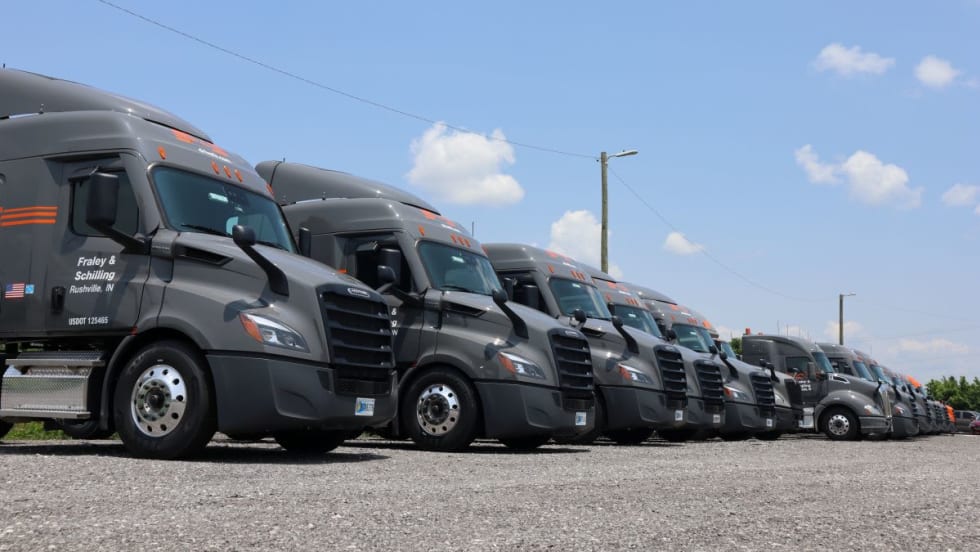
How Fraley & Schilling Improved Logbook Compliance by Over 50%
Fraley & Schilling needed a way to close a compliance workflow gap in its ELD system without adding more work from driver training, reminders, and back-office follow-ups. It found the answer in a custom driver app.
Read More →
Farewell, CDL: Why I'm Giving Up My Commercial Driver's License
After more than 20 years as a CDL holder, HDT Executive Editor Jack Roberts is letting his commercial license expire. Not because he wants to — but because trucking's nuclear verdict crisis has made the risks of public-road test drives too great for editors, manufacturers, and everyone involved.
Read More →
Enhance Fleet Performance with High-Efficiency Auxiliary Power Units
Drive sustainable cost savings while increasing driver comfort during short- and long-haul logistics operations.
Read More →
Wabash Trailers Recalled for Improperly Installed Underride Guards
More than 900 Wabash dry van trailers may not comply with the Federal Motor Vehicle Safety Standard for rear impact guards.
Read More →
Why K&B Trucking Is Embracing AI and Driver Safety Technology
Crunching data and embracing artificial intelligence are key in K&B Trucking's safety efforts, says the company's safety director.
Read More →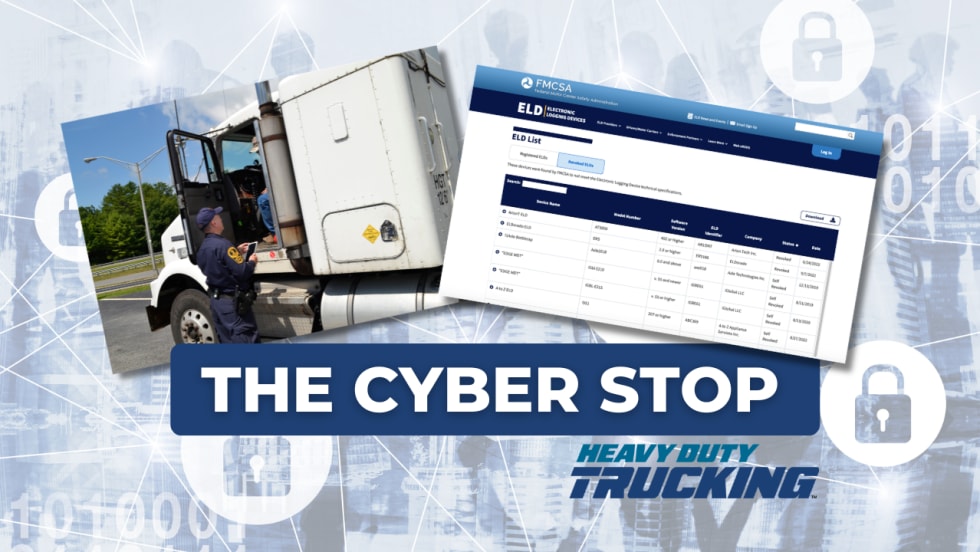
The Hidden Problem Behind FMCSA's ELD Revocations
NMFTA researchers say dozens of registered ELDs may be built on the same software platforms, allowing compliance and security concerns to persist even after individual devices are removed from the market.
Read More →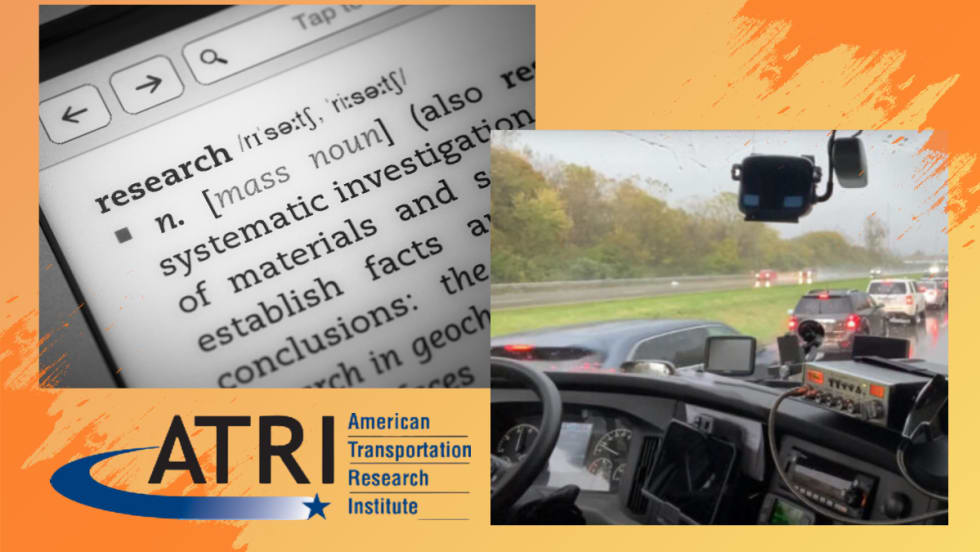
ATRI Wants Motor Carriers for Driver-Facing Camera Study
In this new study, the American Transportation Research Institute will explore how driver-facing cameras can impact safety and operational metrics in trucking fleets.
Read More →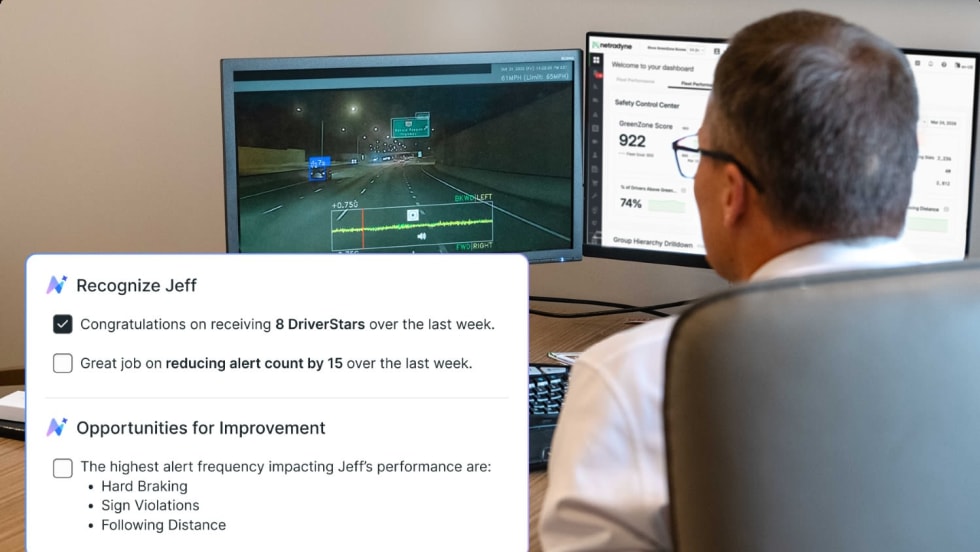
Netradyne Intelligence Uses New AI Agents to Automate Response to In-Cab Camera Data
The company called the next-generation in-cab camera safety platform "a fundamental shift from systems that report on what happened to systems that actively drive what should happen next."
Read More →Mack, Volvo Issue ‘Do Not Drive’ Recall on Possible Wheel-Offs
Owners will be sent advance notice not to operate their affected vehicles until the remedy is performed.
Read More →