




NTSB Issues “Most Wanted” Safety Improvements
While fatigue and hours of service remain a top priority of the National Transportation Safety Board in its Most Wanted Transportation Safety Improvements list for 2002, it has given up on trying to get the trucking industry to adopt “black boxes.
While fatigue and hours of service remain a top priority of the National Transportation Safety Board in its Most Wanted Transportation Safety Improvements list for 2002, it has given up on trying to get the trucking industry to adopt “black boxes.”
One previous recommendation on the Most Wanted list, “On-board Recording Devices for Commercial Trucks,” has been closed as an “Unacceptable Action.” It is one of five recommendations to be closed on the list, but the only one listed as “unacceptable.”
The recommendation was originally issued in 1998 following the investigation of a tractor-trailer accident. The NTSB recommended that the American Trucking Associations, the Teamsters union and the Motor Freight Carrier Assn. advise members to equip their fleets with on-board recording devices, such as tachographs or computerized recorders, to capture information concerning driver and vehicle operations.
But the ATA’s position, expressed to the NTSB as well as to members of Congress and in response to proposed hours-of-service changes, was that recorders were unproven technology, would not promote safety, and should not be mandated by the government.
Although the NTSB remains “firmly convinced of the necessity of having automated on-board reorders for over-the-road commercial vehicles … given the ATA’s firm position on this issue, the Safety Board believes that further dialogue at this time would prove futile.”
NTSB received no response from the Teamsters or the MFCA, despite repeated inquiries.
Still on the list is a broader version of the subject, “Automatic Information Recording Devices.” The NTSB notes that transportation recorders, such as those used on airplanes, are probably the single most effective investigation tool available. The board recommends that FHWA, NHTSA, the FAA, Coast Guard, Federal Railroad Administration and trucking associations require devices on commercial vehicles that will automatically record relevant information.
Also still on the list are:
Commercial Tuck and Bus Safety. NTSB recommends that the Department of Transportation, the National Highway Traffic Safety Administration and the Federal Highway Administration modify commercial carrier rating standards, enhance occupant safety, modify hours-of-service regulations and increase vehicle standards.
Human Fatigue in Transportation Operations. Calling it one of the most widespread safety issues in the transportation industry, the board recommends that government agencies such as the DOT and FHWA and transportation associations study the relationship between fatigue and accidents in the transportation industry and upgrade applicable regulations.
More Safety & Compliance

More Trailer Data Through the Same Seven-Way [Video]
Can trucking’s standard seven-way connector handle more cameras and trailer data? Grote’s Adam Slade shows HDT how the company is using new technology with its 4See trailer system, not only to add a new backup camera but also to expand other capabilities — without adding another connection.
Read More →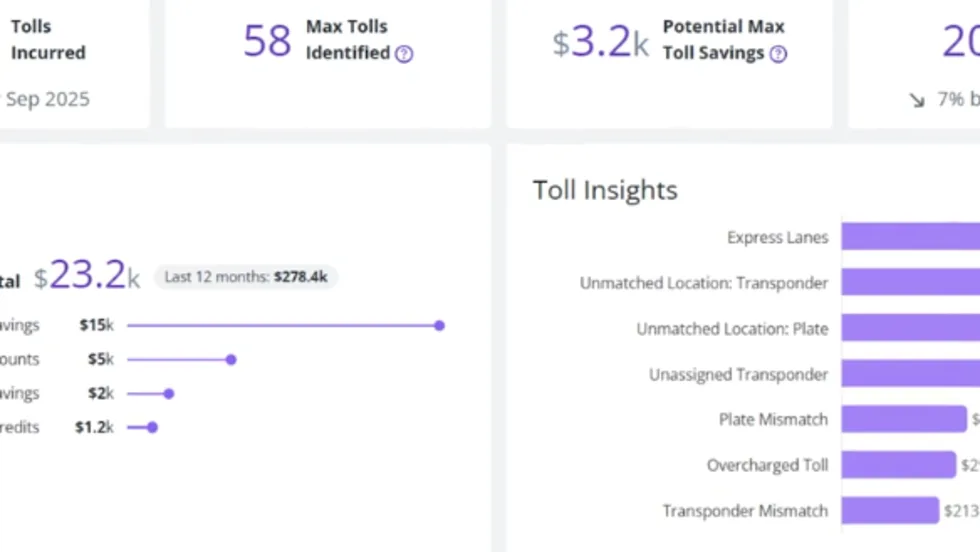
PrePass Intelligence Mines Fleet Bypass, Toll and Safety Data
PrePass Intelligence helps fleets measure bypass savings, flag potential toll overcharges, and spot suspicious transactions by combining data from separate systems.
Read More →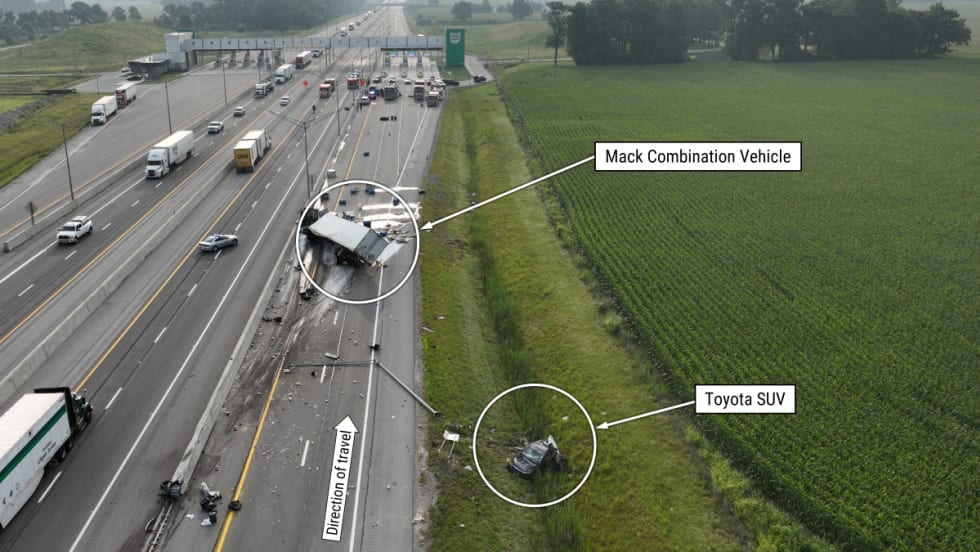
Fatal Crash Exposes Toll Plaza Risks
An NTSB investigation found that last-minute lane changes and large speed differences at an Ohio toll plaza created a hazard the truck driver couldn't avoid in time.
Read More →
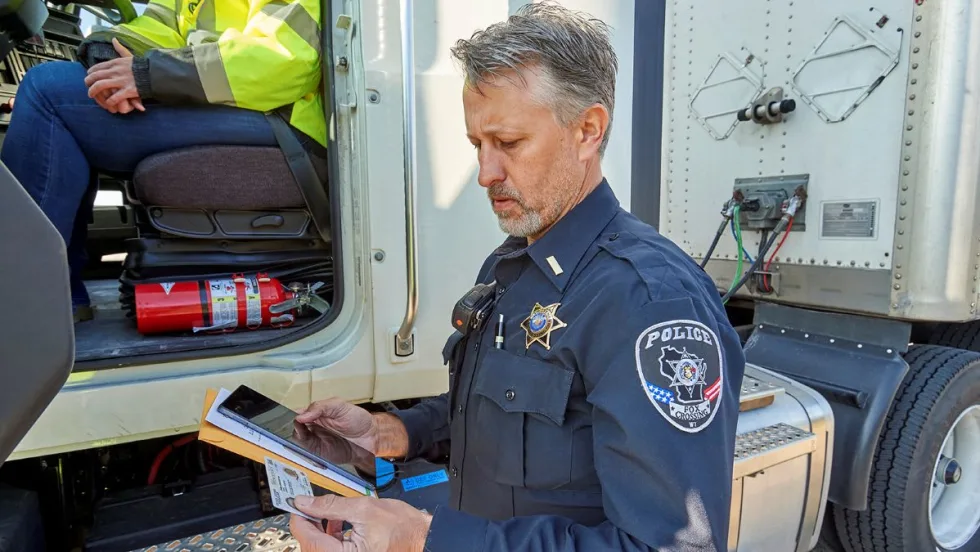
When Language Stops the Truck: The Return of ELP Out-of-Service Orders
English language proficiency rules for commercial drivers aren’t new, but renewed out-of-service enforcement has raised the stakes. Here’s what carriers need to know before a driver reaches a roadside inspection.
Read More →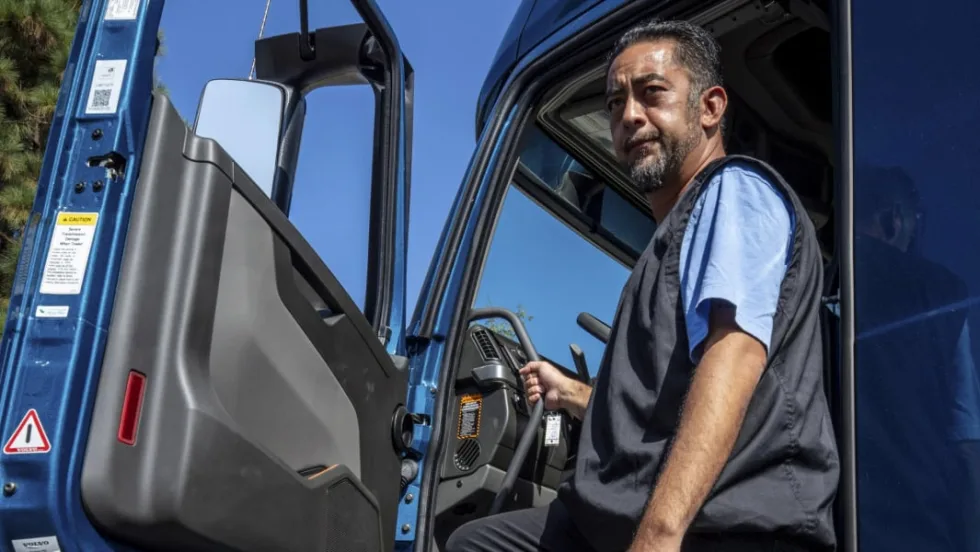
A Camera Isn't a Safety Program. Here's What Brokers Are Screening for Now
Footage alone may not be enough to pass broker vetting processes. Here's what counts as a defensible safety program now.
Read More →
Marijuana and Trucking’s Drug-Testing Dilemma
Marijuana is getting stronger, laws are changing, and drug tests still can’t reliably establish impairment. What does that mean for truck drivers and the fleets that employ them?
Read More →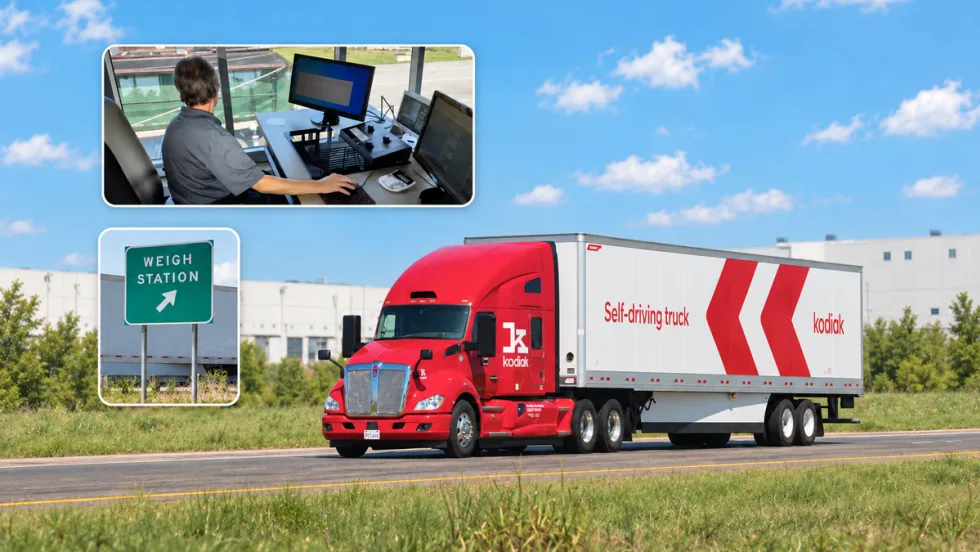
PrePass, Kodiak Connect Driverless Trucks to Roadside Enforcement
The system will allow enforcement agencies to verify Enhanced Inspection information and decide whether Kodiak’s autonomous trucks can bypass roadside screening sites.
Read More →
From One Generation to the Next: How Mentorship Builds Safer Truck Drivers
After three decades in trucking, Harold Perry shares what he's learned about driver safety, mentorship, and helping the next generation build confidence behind the wheel.
Read More →
FMCSA Pauses Biennial-Update Enforcement Amid Motus Transition
Carriers whose updates were due on or after June 1 have more time, while FMCSA works to stabilize its new registration system and warns of phishing sites impersonating its new carrier registration system, Motus.
Read More →
ZF Expands Commercial Vehicle Push in North America
ZF is expanding its North American commercial-vehicle presence with new transmission applications, electrification, trailer technology and autonomous-driving systems.
Read More →