




NTSB: Highway Deaths Fall in 2009
Transportation fatalities in the United States decreased by 9.2 percent in 2009 from 2008, according to preliminary figures released Wednesday by the National Transportation Safety Board
Transportation fatalities in the United States decreased by 9.2 percent in 2009 from 2008, according to preliminary figures released Wednesday by the National Transportation Safety Board.
The data indicate that transportation fatalities in all modes totaled 35,928 in 2009, compared to 39,569 in 2008. Although highway, rail and aviation deaths declined, pipeline and marine fatalities showed an increase.
Highway fatalities, which account for nearly 95 percent of all transportation deaths, decreased from 37,423 in 2008 to 33,808 in 2009. In fact, highway fatalities decreased in all categories including motorcycle fatalities (down 16 percent) which had been on the rise in recent years.
Aviation deaths decreased from 574 to 538. Nearly 90 percent of aviation fatalities occurred in general aviation accidents (471), but they still represented a decrease from the previous year (494).
Rail fatalities decreased 4 percent from 781 to 751. The vast majority of these fatalities were persons struck by a rail vehicle.
"While statistics show that transportation fatalities have declined this past year," said NTSB Chairman Deborah A. P. Hersman, "we continue to see far too many accidents in all segments of the transportation community. There is still much work to do to prevent the loss of life on our roads, rails, waterways, and skies."
Pipeline fatalities increased by six (8 to 14), with an increase in both categories - gas pipelines and liquid pipeline operations.
Marine deaths increased from 783 to 817, with the vast majority occurring in recreational boating (736). Other marine categories, including cargo transport and commercial fishing, showed increases as well, although commercial passenger vessels showed a slight decrease.
More Safety & Compliance

Wabash Trailers Recalled for Improperly Installed Underride Guards
More than 900 Wabash dry van trailers may not comply with the Federal Motor Vehicle Safety Standard for rear impact guards.
Read More →
Why K&B Trucking Is Embracing AI and Driver Safety Technology
Crunching data and embracing artificial intelligence are key in K&B Trucking's safety efforts, says the company's safety director.
Read More →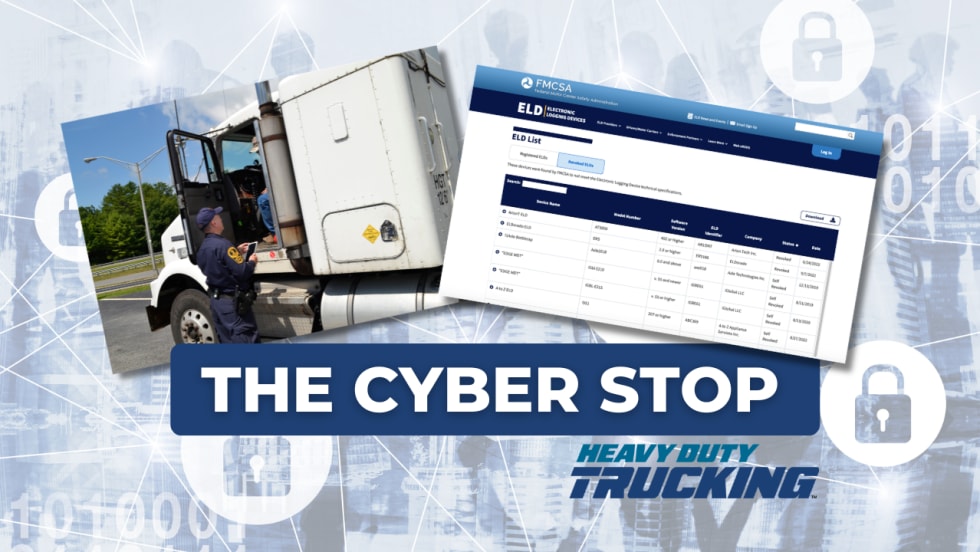
The Hidden Problem Behind FMCSA's ELD Revocations
NMFTA researchers say dozens of registered ELDs may be built on the same software platforms, allowing compliance and security concerns to persist even after individual devices are removed from the market.
Read More →
ATRI Wants Motor Carriers for Driver-Facing Camera Study
In this new study, the American Transportation Research Institute will explore how driver-facing cameras can impact safety and operational metrics in trucking fleets.
Read More →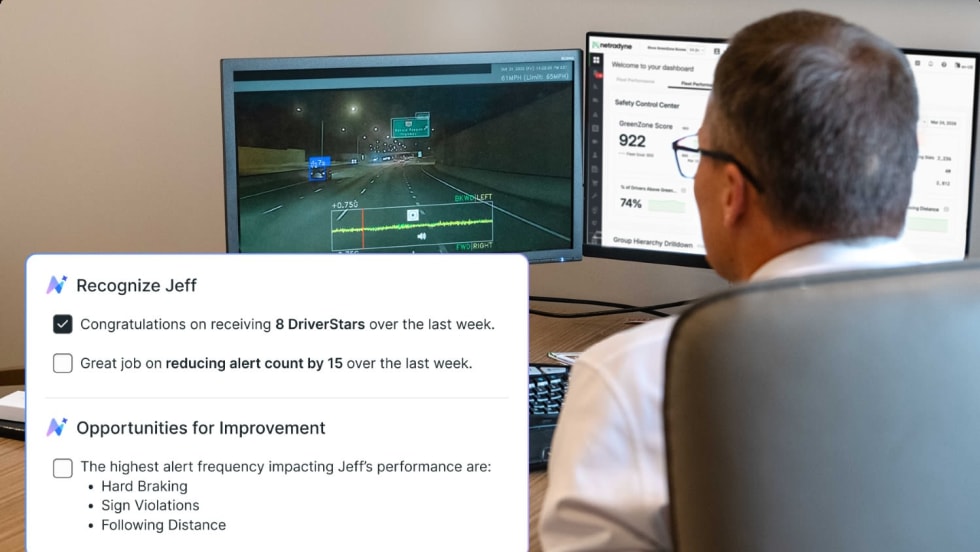
Netradyne Intelligence Uses New AI Agents to Automate Response to In-Cab Camera Data
The company called the next-generation in-cab camera safety platform "a fundamental shift from systems that report on what happened to systems that actively drive what should happen next."
Read More →Mack, Volvo Issue ‘Do Not Drive’ Recall on Possible Wheel-Offs
Owners will be sent advance notice not to operate their affected vehicles until the remedy is performed.
Read More →
Fleetworthy Integrates Lytx Video Snapshots into Safety+ Platform
A new Fleetworthy-Lytx integration gives fleet managers access to video context alongside safety event data, streamlining driver coaching and incident review.
Read More →
How Waste Connections is Using Data, Telematics, and AI
How do you manage and maintain more than 18,000 connected trucks? Data. Lots of it.
Read More →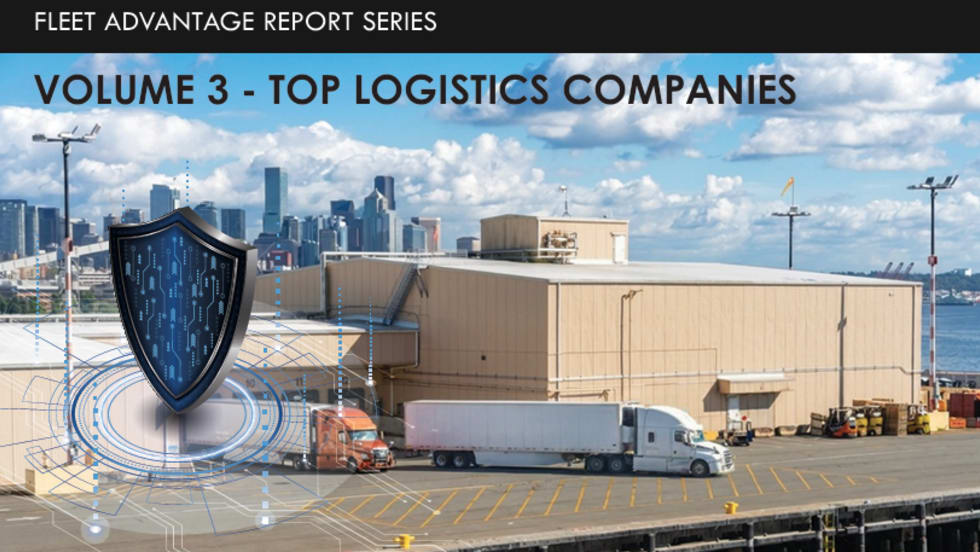
Fleet Advantage: Top Logistics Fleets Outperform National Safety Benchmarks
Fleet Advantage's latest TRUST Safety Index found leading logistics fleets maintained significantly lower out-of-service rates and stronger safety scores than national averages, while highlighting persistent challenges related to tires, brakes, and unsafe driving behaviors.
Read More →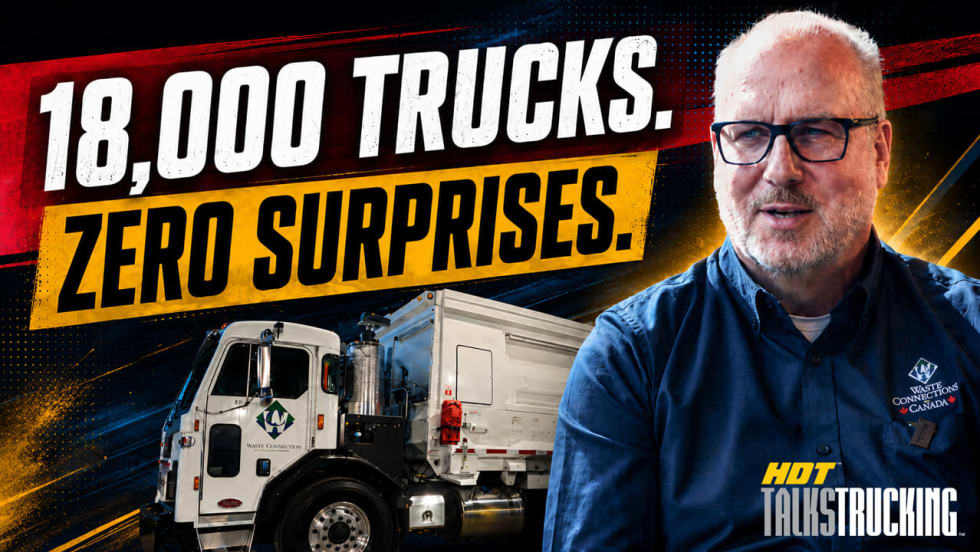
Why Fleet Data Matters More Than Ever at Waste Connections [Watch]
Waste Connections' Chuck Palmer explains how telematics, predictive maintenance, safety analytics, and AI help keep vehicles on the road and drivers safe in this episode of HDT Talks Trucking.
Read More →