




NTSB Hearing Focuses On CDL Program
The Commercial Driver's License program has been a big success, but there are still some problems that need to be addressed. That was the topic Friday at the second day of the National Transportation Safety Board's public hearing in New Orleans
The Commercial Driver's License program has been a big success, but there are still some problems that need to be addressed. That was the topic Friday at the second day of the National Transportation Safety Board's public hearing in New Orleans.
Witnesses agreed that the CDL program, which went into effect in 1992, has all but eliminated the practice of commercial drivers using multiple licenses from different states to spread out their points.
"I've been in this since about 1980," testified Lisa Irwin for the Commercial Vehicle Safety Alliance. "It was pretty commonplace then when you stopped a vehicle, you asked for both licenses they were carrying. Today it's very unusual that we find duplicate licenses."
It has, however, become more common for truckers to risk driving without a license at all after it has been suspended or revoked, according to a 1998 study of the effectiveness of the CDL program.
Another problem discussed at the hearing was the fact that many violations never make it into the driver's record, tracked by the Commercial Driver's License Information System, or CDLIS. While offenses on Interstate highways ticketed by state police or commercial vehicle enforcement personnel do, especially serious violations, tickets received in small towns are often plea-bargained down to traffic school and never are entered as a conviction.
This fact became especially obvious after last year's Amtrak crash with a flatbed truck in Bourbonnais, IL. The driver was found to be operating on a provisional "court supervision" license, and had multiple offenses that had never been reported to the state or to CDLIS.
Varying standards, codes and laws among the different states also cause problems when drivers move from state to state. Sometimes the entire record may not follow accurately. Louisiana, for instance, has no points system, so drivers moving to that state essentially start off with a clean slate.
"We're basically very pleased with the CDL program, and think it's a real success story," testified Brian McLaughlin with the Federal Motor Carrier Safety Administration. "Having said that, we are far from ready to declare victory and walk away. There is much that still needs to be done."
Several changes were made to the CDL program in the legislation signed last month that established the new FMCSA. For instance, offenses in your passenger car will be counted against your commercial driver's license. The new agency will have its hands full writing proposed rulemakings to put those changes into effect.
This was the fourth and final hearing in the NTSB's series of hearings on truck safety. Because such a wide range of topics were covered, the board's recommendations and reports will come out in stages. The NTSB has no regulatory power, but makes recommendations to government and state agencies, industries and others that have the power to affect transportation safety.
More Safety & Compliance

FDA Eases Path for Oral-Fluid Testing
Federal actions could advance oral-fluid drug testing for truck drivers, but lab certification delays and marijuana rescheduling questions remain.
Read More →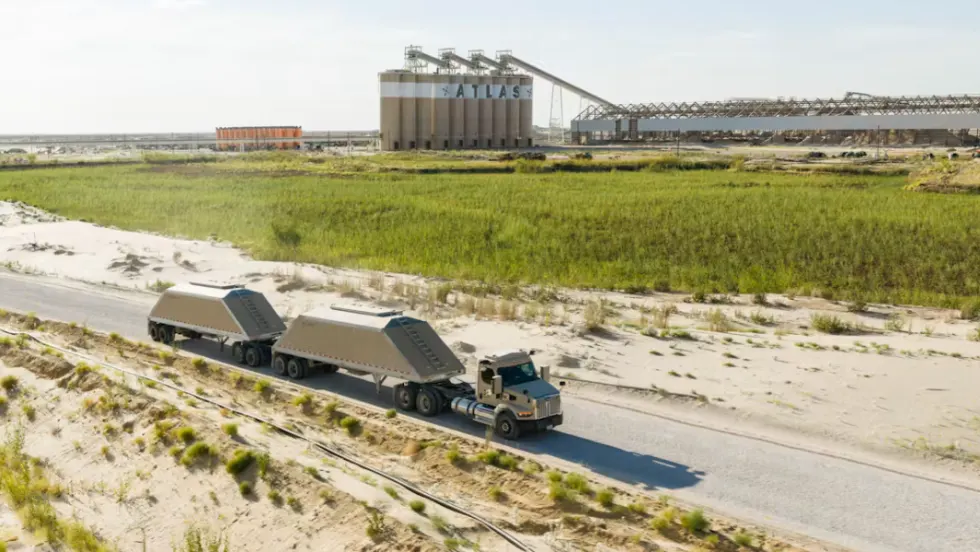
Kodiak Lines Up Fleets for Driverless Trucking
An agreement for 75 trucks, a new Texas freight lane, and progress on safety validation move Kodiak closer to its planned driverless highway launch.
Read More →
More Trailer Data Through the Same Seven-Way [Video]
Can trucking’s standard seven-way connector handle more cameras and trailer data? Grote’s Adam Slade shows HDT how the company is using new technology with its 4See trailer system, not only to add a new backup camera but also to expand other capabilities — without adding another connection.
Read More →
PrePass Intelligence Mines Fleet Bypass, Toll and Safety Data
PrePass Intelligence helps fleets measure bypass savings, flag potential toll overcharges, and spot suspicious transactions by combining data from separate systems.
Read More →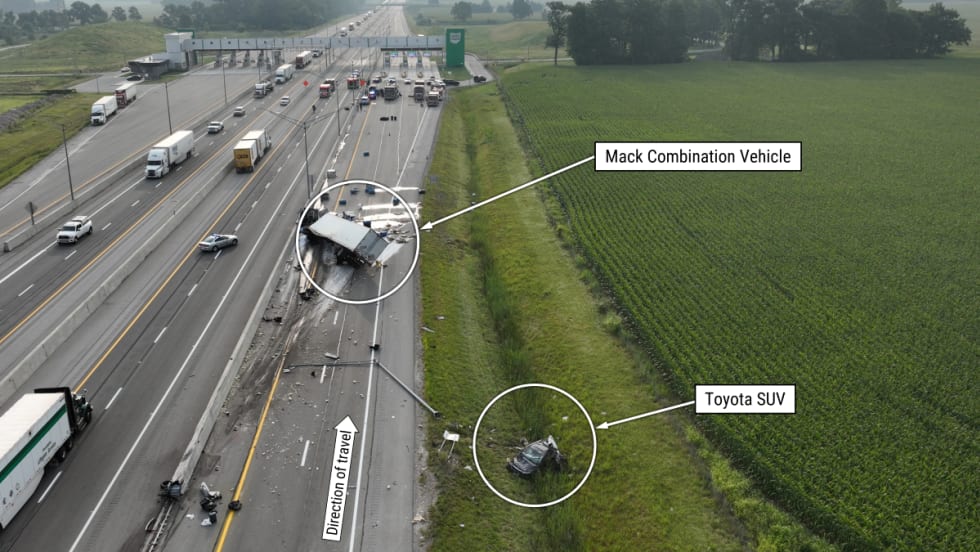
Fatal Crash Exposes Toll Plaza Risks
An NTSB investigation found that last-minute lane changes and large speed differences at an Ohio toll plaza created a hazard the truck driver couldn't avoid in time.
Read More →
When Language Stops the Truck: The Return of ELP Out-of-Service Orders
English language proficiency rules for commercial drivers aren’t new, but renewed out-of-service enforcement has raised the stakes. Here’s what carriers need to know before a driver reaches a roadside inspection.
Read More →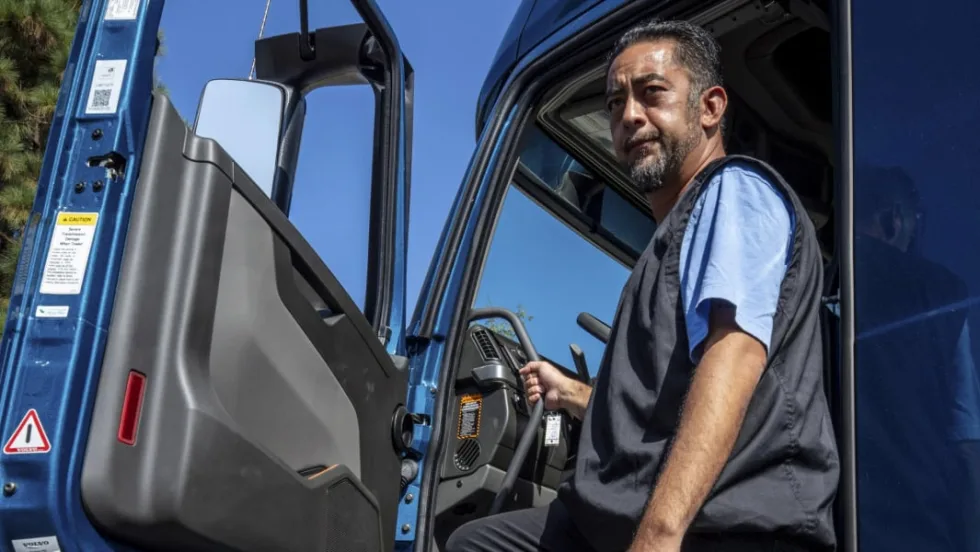
A Camera Isn't a Safety Program. Here's What Brokers Are Screening for Now
Footage alone may not be enough to pass broker vetting processes. Here's what counts as a defensible safety program now.
Read More →
Marijuana and Trucking’s Drug-Testing Dilemma
Marijuana is getting stronger, laws are changing, and drug tests still can’t reliably establish impairment. What does that mean for truck drivers and the fleets that employ them?
Read More →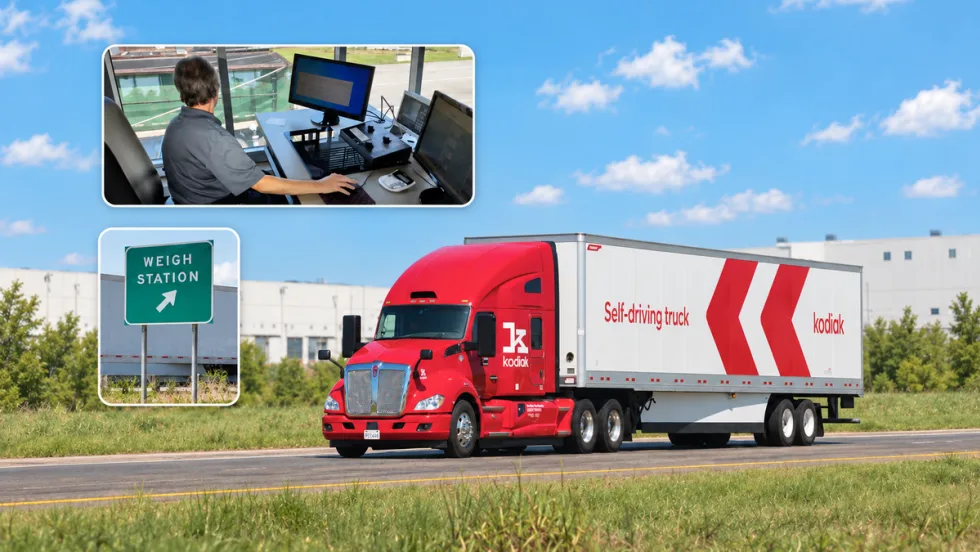
PrePass, Kodiak Connect Driverless Trucks to Roadside Enforcement
The system will allow enforcement agencies to verify Enhanced Inspection information and decide whether Kodiak’s autonomous trucks can bypass roadside screening sites.
Read More →
From One Generation to the Next: How Mentorship Builds Safer Truck Drivers
After three decades in trucking, Harold Perry shares what he's learned about driver safety, mentorship, and helping the next generation build confidence behind the wheel.
Read More →