




NICB Releases 2010 Report on Cargo Theft
The National Insurance Crime Bureau issued its 2010 National Cargo Theft report, finding that electronics and food are the most common loads targeted by thieves
The National Insurance Crime Bureau issued its 2010 National Cargo Theft report, finding that electronics and food are the most common loads targeted by thieves.
NICB identified 747 cargo thefts across the nation in 2010 with an estimated loss value of $171 million. Cargo theft can occur at anytime and anyplace while goods are in transit between shipper and destination, regardless of transport mode. Although most thefts are from freight moving by truck or rail, intermodal and air freight are susceptible as well.
The states with the most cargo theft incidents were: California, 247, Texas, 91, Florida, 66, Illinois, 56, Tennessee, 40, and Georgia, 39. Electronics were most often the theft target, 139 thefts, followed by food, 108, and clothing, 73. The month of February saw the most thefts with 113 followed by August, 78, and June, 76.
Through careful review of cargo theft incident data, NICB analysts have identified patterns and locations where most cargo theft occurs. As might be expected, truck stops, parking lots, warehouses and port cities have the most theft activity.
For the full report: www.nicb.org
More Safety & Compliance
A Camera Isn't a Safety Program. Here's What Brokers Are Screening for Now
Footage alone may not be enough to pass broker vetting processes. Here's what counts as a defensible safety program now.
Read More →
Marijuana and Trucking’s Drug-Testing Dilemma
Marijuana is getting stronger, laws are changing, and drug tests still can’t reliably establish impairment. What does that mean for truck drivers and the fleets that employ them?
Read More →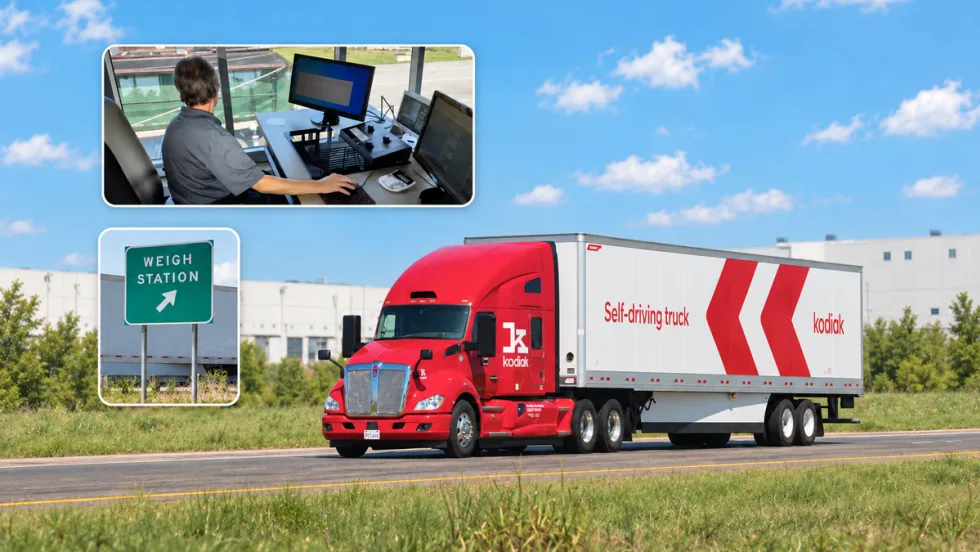
PrePass, Kodiak Connect Driverless Trucks to Roadside Enforcement
The system will allow enforcement agencies to verify Enhanced Inspection information and decide whether Kodiak’s autonomous trucks can bypass roadside screening sites.
Read More →

From One Generation to the Next: How Mentorship Builds Safer Truck Drivers
After three decades in trucking, Harold Perry shares what he's learned about driver safety, mentorship, and helping the next generation build confidence behind the wheel.
Read More →
FMCSA Pauses Biennial-Update Enforcement Amid Motus Transition
Carriers whose updates were due on or after June 1 have more time, while FMCSA works to stabilize its new registration system and warns of phishing sites impersonating its new carrier registration system, Motus.
Read More →
ZF Expands Commercial Vehicle Push in North America
ZF is expanding its North American commercial-vehicle presence with new transmission applications, electrification, trailer technology and autonomous-driving systems.
Read More →
Truck Drivers Need More Than Another Alert
Fleets have more visibility into truck health, safety events, and driver activity than ever. The next challenge is turning all that information into useful guidance for the person who has to decide what to do next.
Read More →
Tesla Wants a Self-Driving Semi. Are Cameras Enough?
Could Tesla’s camera-only autonomous driving technology work on an 80,000-pound Semi? In this commentary, HDT's Deborah Lockridge takes a look at Tesla, Cybercab, and how autonomous trucks see the road.
Read More →
What DOT’s Automated Vehicle Strategy Means for Trucking
The U.S. Department of Transportation issued a new automated-vehicle strategy that outlines plans for driverless-truck regulations, cross-state freight corridors, and federal safety standards.
Read More →
NYC Expands Speed, Pedestrian Safety Tech Across Fleet
New York City is expanding intelligent speed assistance and pedestrian-alert systems across its municipal fleet, moving the technologies from pilot programs into vehicle procurement and retrofit requirements.
Read More →