




New Study Links Skin Cancers on Left Side to Driving
Nearly 53 percent of skin cancers in the U.S. occur on the left side of the body, or the driver's side, according to a recent study from the St. Louis University Medical School
Nearly 53 percent of skin cancers in the U.S. occur on the left side of the body, or the driver's side, according to a recent study from the St. Louis University Medical School.
Researchers believe the increase in left-sided skin cancers may be caused by exposure to ultraviolet radiation while driving.
"People may be surprised to learn that car windows don't provide complete sun protection," said Perry Robins, president of The Skin Cancer Foundation. "Ultraviolet radiation reaches us in the form of shortwave UVB and long-wave UVA rays, but glass blocks only UVB effectively."
The Skin Cancer Foundation recommends the following ways to protect your skin, particularly when spending extended time in the car:
* Treat your vehicle to window film: Transparent window film screens out almost 100 percent of UVB and UVA without reducing visibility, and is available in all 50 states. If you have window film installed, remember that it protects you only when the windows are closed. When shopping for window film, be sure to check if the product has The Skin Cancer Foundation's Seal of Recommendation.
* Keep sunscreen in the vehicle: For those without window film, sunscreen should be on hand for quick reapplication during long drives. The Skin Cancer Foundation recommends reapplying every two hours. Look for one with an SPF of 15 or more and some combination of the following UVA-blocking ingredients: avobenzone, ecamsule, oxybenzone, titanium dioxide, and zinc oxide.
* Wear protective sunglasses: UV-blocking sunglasses are one of the strongest defenses against eye and eyelid damage. For proper protection, sunglasses should have the ability to absorb and block 99 to 100 percent of both UVA and UVB light. Wraparound styles with a comfortable, close fit and UV-protective side shields are ideal. The glasses should also meet ANSI or ISO standards for traffic signal recognition, which means that the lenses permit good color recognition.
More info: www.SkinCancer.org
More Safety & Compliance

NYC Expands Speed, Pedestrian Safety Tech Across Fleet
New York City is expanding intelligent speed assistance and pedestrian-alert systems across its municipal fleet, moving the technologies from pilot programs into vehicle procurement and retrofit requirements.
Read More →
FMCSA Removes 110 Truck Driver Training Schools from Certified ELDT List
Federal regulators also are targeting more than 160 additional training providers and launching a nationwide audit of third-party CDL skills testers as part of a broader crackdown on trucking fraud.
Read More →
Beyond DOT Compliance: What Makes a Trucking Fleet Truly Safe?
A trucking fleet can follow every rule and still make unsafe decisions. The real test comes when safety conflicts with freight, productivity, or cost.
Read More →
Hours of Service Pilot Programs: FMCSA Readies for 2027 Rollout
Two pilot programs could eventually reshape hours-of-service rules, giving truck drivers options to pause their 14-hour clock or use longer split sleeper rest periods.
Read More →
New Guide Offers Pet Safety Tips for Truck Drivers
Hundreds of thousands of pets travel in truck cabs. A new safety guide from Volvo Trucks and the Center for Pet Safety offers practical advice for truck drivers who bring dogs and cats along for the ride.
Read More →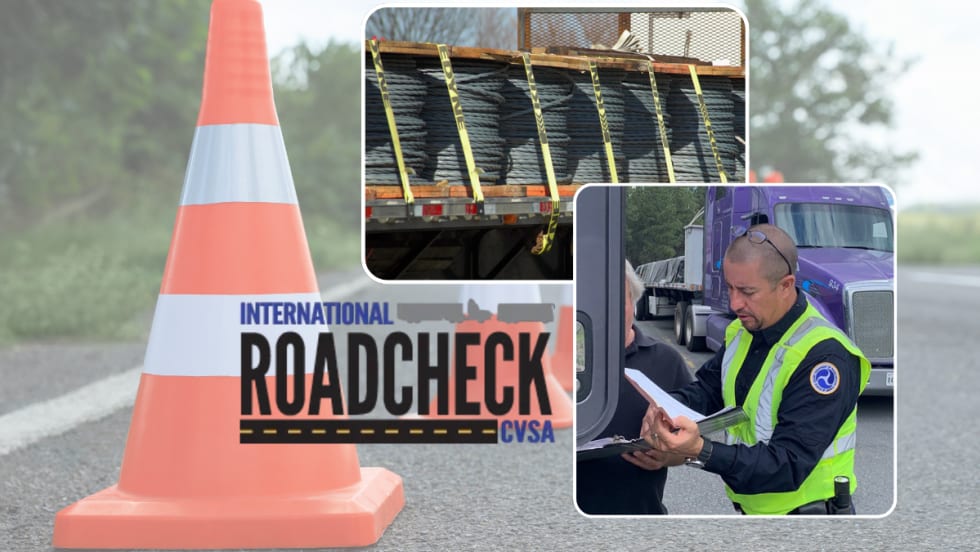
Medical Cards, English Proficiency Reshape Roadcheck Violations
Medical-card violations jumped to the top of the driver out-of-service list during CVSA’s 2026 International Roadcheck, while English-language proficiency violations appeared among the leading violations for the first time.
Read More →
How Lance Evans Turns Enforcement Experience Into Better Fleet Safety
HDT Truck Fleet Innovator Lance Evans brings lessons from law enforcement to K&B Transportation’s approach to safety technology, data, driver coaching, and compliance.
Read More →
New FMCSA Chief Safety Officer Has Trucking Industry and Law Enforcement Experience
Steve Dowling joins FMCSA after serving as senior director of safety at Covenant Logistics and in leadership roles in commercial motor vehicle industry organizations.
Read More →
Driver Trust Can Make or Break the Success of Fleet Safety Technology
New Teletrac Navman research suggests that onboarding, transparency about driver data, and positive feedback can play a significant role in how commercial drivers respond to safety and coaching technology.
Read More →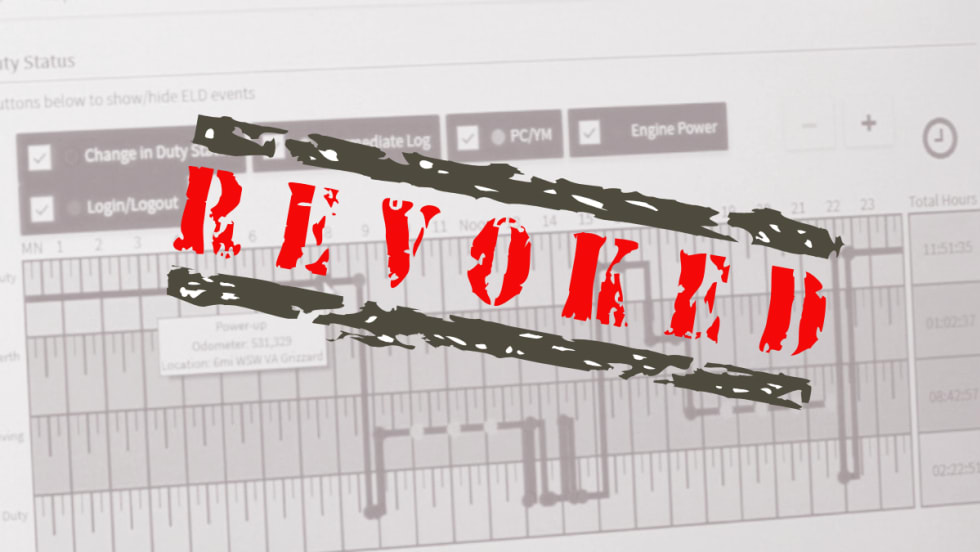
FMCSA: Stop Using These 15 Electronic Logging Devices
Fleets and drivers must replace the revoked ELDs with ones on the FMCSA's registered device list of electronic logging devices.
Read More →