




New Chevron Engine Oil Reduces DPF Ash by 60%
Chevron says its new heavy-duty diesel engine oil is so effective at reducing DPF soot that exhaust systems could once again become hands-off maintenance items for some long-haul fleets.

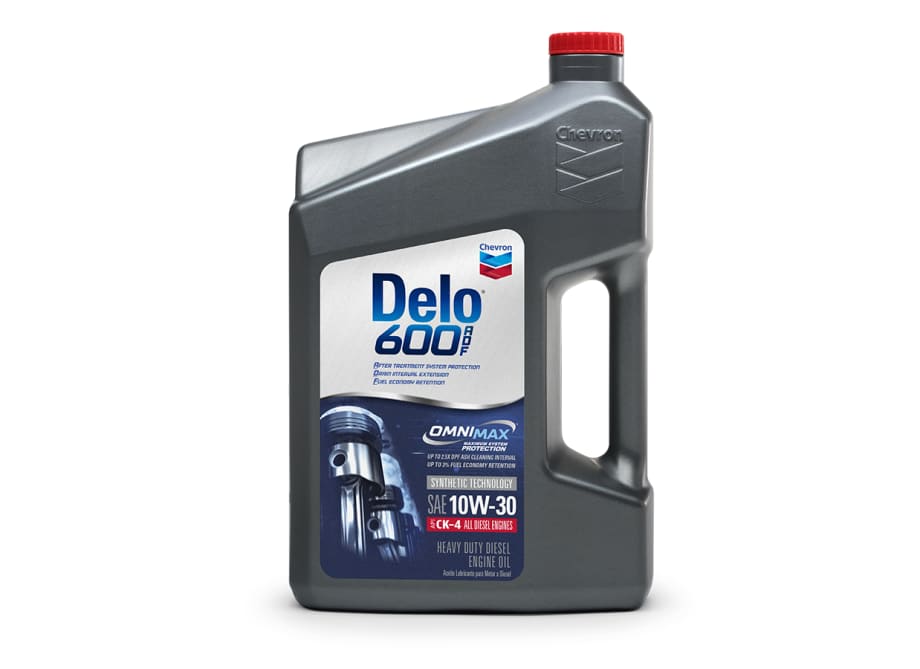
Chevron says its new heavy-duty diesel engine oil is so effective at reducing DPF soot that exhaust systems could once again become hands-off maintenance items for some long-haul fleets.
Photo: Chevron
Hailing it as a “major breakthrough” in emissions-era engine oils, Chevron announced that its new Delo 600 ADF heavy duty engine oil drastically reduces the rate of diesel particulate (DPF) clogging by 60%.
At a press conference at the Chevron Technology Center in Richmond, California, on November 5, 2019, a panel of Chevron researchers and scientists unveiled the new engine oil, while speaking at length on its development cycle, which began in 2008 as the first Federally-mandated diesel exhaust emissions regulations were ramping up.
In the Tier II emissions regulations, which went into effect in 2010, heavy-duty truck OEMs and engine builders opted to treat downstream diesel exhaust with a Selective Catalytic Reduction (SCR) system, which sprayed hot engine gases with a urea solution known was Diesel Exhaust Fluid, to convert nitrous oxides (NOx) into harmless nitrogen and water. However, one trade-off to SCR is that high temperatures required in the aftertreatment system created soot, which is captured in, and eventually clogs the system’s DPF.
As it turns out, according to James Booth, North American commercial segment manager for Chevron, soot in the DPF is the remnant of small amounts of metal such as copper, zinc and magnesium, which have been used in detergent additive packages to engine oils for almost a century. Inside an engine, these metals can serve as “scrubbers” to help remove corrosion, or they can coat worn areas, replacing surfaces worn down by high heat and friction from moving components.
DPFs collect up to 98% of particulate matter emissions in the form of ash & soot. A regeneration cycle combusts most of the soot from the DPF. The ash is incombustible material left over from metallic lubricant additives. Over time, ash builds up to the point that it clogs the DPF, forcing fleets to take units out of service to either service or replace it. If too much soot and ash builds up, the large amount of heat produced upon regeneration can result in DPF damage, with replacements costing up to $7,000. DPF clogging increases engine back pressure, and regeneration cycles, resulting in a higher fuel consumption. Even routine DPF maintenance procedures cost fleets downtime and typically cost around $1,000.00, Booth noted.
Beginning in 2008, based on an off-hand remark by an engineer at a major truck OEM, Chevron began a joint research effort across several of its business units to see if an alternative to using metals in oil additive packages was feasible.
The result is the new Delo 600 ADF oil with Omnimax, which Chevron said delivers maximum system protection to both the engine and the emissions system.
According to Booth, current heavy-duty engine oils are formulated up to the API CK-4 limit of 1% sulfated ash. Chevron’s Delo 600 ADF is formulated to 0.4% sulfated ash which helps drastically reduce the rate of DPF clogging, to deliver extended DPF service life and industry redefining fuel economy retention.
“Chevron has taken a customer-forward approach by realizing early on, the extent of the problems caused by the integration of hardware to address the latest emissions regulations and current HDEOs, and today we’re announcing a new solution” Booth said. “Delo 600 ADF significantly reduces the rate of DPF clogging, extending DPF service life by up to 2.5 times, and bringing a 3% fuel economy retention advantage over the life of the equipment, delivering significant savings to customers.”
Moreover, according to Willem van Dam, manager, product development for Chevron, the new oil has shown “remarkable” performance in a series of OEM validation tests, including doubling the length of the T13 Volvo Engine Oil Oxidation Test. “We ran that test for 720 hours without any component failures or undue wear,” van Dam noted. “And that is really quite incredible.”
Delo 600 ADF meets or exceeds API CK-4 & OEM specifications, van Dam added, noting that the oil has demonstrated excellent oxidation stability in industry, OEM and field tests, providing the opportunity to extend engine oil drain intervals. Sharing the durability legacy of Delo 400 products, Delo 600 ADF also has delivered excellent valve-train wear protection and piston deposit performance.
“But oil’s reduction in ash build-up in the DPF is something that fleets can begin benefiting from immediately,” van Dam said. “Fleets that use Delo 600 ADF for the next oil fill will immediately begin reducing the amount of ash build up in their trucks’ DPFs.”
Van dam also said that some long-haul fleets using Delo 600 ADF in newly-purchased trucks, could see exhaust system aftertreatment systems become a “hands off” item from a maintenance standpoint. “Most DPF maintenance is performed at around the 1-million-mile mark,” he said. “So, this depends on the amount of miles a fleet runs, and how long its trade cycle is. But in some cases, we believe there will be no need for fleets to touch the exhaust system for maintenance before it sells the truck.”
Booth noted that the implications of a new oil able to reduce DPF clogging by 60% could have ramifications for the next-generation of Greenhouse Gas Emissions engines currently under development for 2023. “Engine manufacturers will not need DPFs to be as large as they currently are,” he said. “So, we believe OEMs will be able to use smaller, lighter DPFs on these next generation engines.”
The full Delo 600 ADF line consists of:
Delo 600 ADF 15W-40
Delo 600 ADF 10W-30
The new engine oil will be available on Dec. 2, 2019, Chevron said.
More Maintenance

How GP Transco Builds Fuel Savings a Fraction at a Time
Aerodynamic specs, solar panels, and driver incentives help GP Transco turn small efficiency gains into savings it can reinvest in its people.
Read More →
Oil Crisis Squeezes Trucking Lubricant Supplies
Fleets report higher lubricant costs as Middle East disruptions tighten supplies of ingredients used in synthetic engine oils and some driveline lubricants.
Read More →
Shell Prepares Rotella Oils for 2027
New CL-4 and FB-4 formulations will begin arriving in early 2027, with improved protection against oil breakdown, wear and deposits, according to Shell.
Read More →
Mack Expands Extended Coverage With Four Chassis System Plans
Mack Trucks' new system-specific coverage options allow heavy-duty fleets to select protection for driveline, cab, HVAC, electronics, and advanced safety components.
Read More →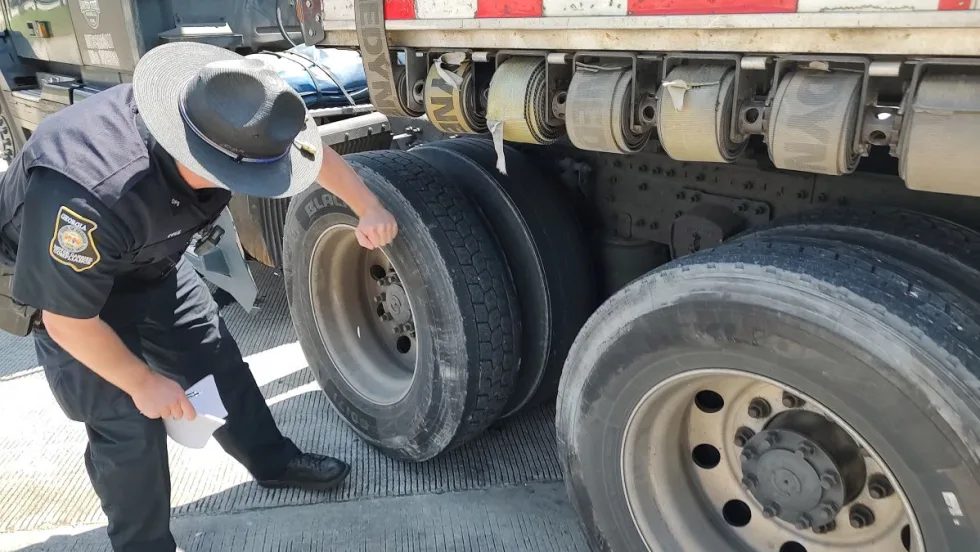
What an Out-of-Service Order Really Costs, and How to Plan for One
The repair invoice is the first number you see — and often one of the smallest. Here’s what else an out-of-service order can cost a fleet, and how planning can reduce the damage.
Read More →
International Launches Online Truck Parts Store
Fleetrite.com lets fleets and repair shops find OEM and all-makes parts, check prices and availability, and order without calling a parts counter.
Read More →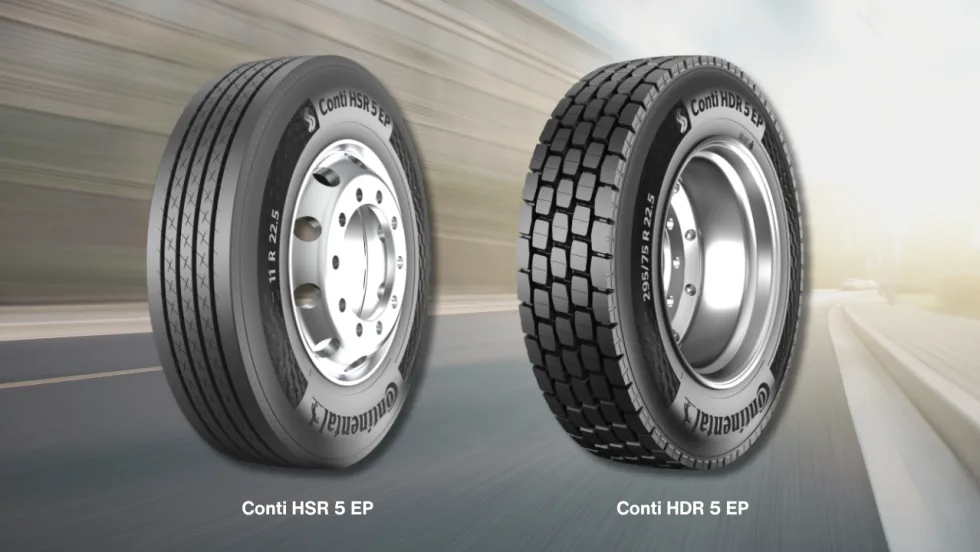
Continental Introduces New Regional Truck Tires
Continental says its new Generation 5 steer and drive tires for regional operations offer longer tread life, with estimated mileage gains of 22% and 19%, respectively.
Read More →
Color Match Smarter: Tools That Restore & Perform
For fleet managers and collision repair professionals keeping heavy-duty trucks on the road, getting the color right the first time isn't just about appearance — it's about efficiency, turnaround time, and bottom-line results. Discover how today's digital color tools are transforming the repair process from guesswork to precision.
Read More →
Wrong Repair Prompts Recall of Freightliner, Western Star 4x2 Trucks
DTNA is recalling more than 2,400 trucks that received an incompatible software fix instead of the hardware repair required to address brake valve corrosion.
Read More →
Truck Drivers Need More Than Another Alert
Fleets have more visibility into truck health, safety events, and driver activity than ever. The next challenge is turning all that information into useful guidance for the person who has to decide what to do next.
Read More →