




Related: Volvo’s SuperTruck Exceeds EPA Freight Efficiency Goals
Navistar SuperTruck Beats DOE Efficiency Goals, Hits 13 MPG
Navistar has revealed that its SuperTruck program demonstration vehicle, CatalIST, exceeded the improvement goals set by the Department of Energy for the SuperTruck program.
by Staff
September 28, 2016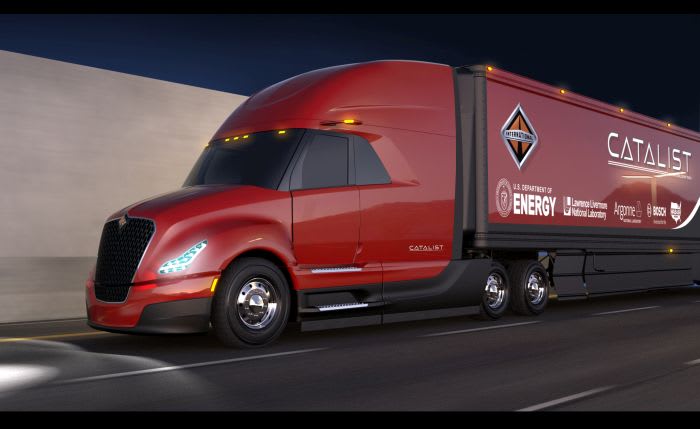
The CatalIST SuperTruck Image courtesy of Navistar
2 min to read

Navistar has revealed that its SuperTruck program demonstration vehicle, CatalIST, exceeded the improvement goals set by the Department of Energy for the SuperTruck program.
CatalIST achieved a freight efficiency improvement of 104% compared to the DOE’s control vehicle, sipping diesel at 13 mpg. The vehicle also demonstrated 50.5% Brake Thermal Efficiency and Navistar said it is on the path towards 55% BTE.
"The CatalIST's significant improvements in freight efficiency, achieved with the support of DOE's SuperTruck program, demonstrate tremendous potential for reduction in the trucking industry's consumption of energy," said Mark Stasell, vice president, product development. "In addition, a number of the technology innovations we have achieved through the program are already being implemented in production vehicles today."
The vehicle was named CatalIST because it will serve as the catalyst for significant improvements in future commercial trucks. The last three letters of CatalIST stand for International SuperTruck, referencing the vehicle’s International Trucks branding.
Through the program, the company was able to make improvements to its own vehicle technology. One innovation from the program was Navistar’s predictive cruise control, which looks ahead of the vehicle and recognizes terrain, continuously calculating the most efficient speed and gear for better fuel economy in real time.
Other improvements included:
Advanced integration of Navistar N13 Engine utilizing proprietary intelligent controls and high-efficiency combustion.
Reduction in aerodynamic drag through replacement of cab- and hood-mounted mirrors with a series of cameras and interior-mounted monitors, which also yield equal or better indirect vision for the driver.
A new LED headlamp system that reduces lamp size for a more aerodynamic shape and cuts electrical power requirements by greater than 80%, while improving luminous output and light color for improved night-time direct driver vision and reduced driver fatigue.
An all-new shape with a sloped windshield and wedged cab for improved aerodynamics. Innovative use of lighter-weight carbon-fiber panels in the upper body, roof headers, back panel, and dash panel.
A hybrid front suspension and lightweight rear suspension that leverages lightweight alloys with composite materials, reducing weight and enabling an electronic ride height management system, which provides dynamic ride height and pitch control for improved aerodynamics.
Aerodynamic improvements that reduce the trailer's drag coefficient by more than 30%.
The vehicle is part of the DOE’s SuperTruck program – a five-year research and development initiative aimed at improving freight efficiency, based in the measure of the payload carried while burning less fuel.
Its objective is to develop and demonstrate a 50% improvement in overall freight efficiency on a Class 8 tractor-trailer vehicle as measured in ton-miles per gallon of diesel fuel.
More Fuel Smarts

Jennie Abarca Is Proving Electric Trucks Can Do the Job
HDT Truck Fleet Innovator Jennie Abarca is building confidence in fleet electrification one load at a time while openly sharing the challenges she encounters along the way as a small-fleet owner.
Read More →
Cummins Adjusts 2027 Engine Rollout After EPA Proposal
The engine maker will gradually introduce its new Model Year 2027 diesel engines while continuing to offer current models during the transition, citing the EPA's proposed emissions rule changes.
Read More →
EPA Proposal Could Ease 2027 Truck Costs and Buying Uncertainty
The proposal doesn't change the tougher NOx standard, but it would revise key implementation requirements that manufacturers say have driven up costs and complicated fleet purchasing decisions.
Read More →
Cummins, Paccar Ease DEF Derates After EPA Guidance
Updated diesel engine software gives truck operators more time to address emissions-system issues while staying compliant with EPA emissions standards.
Read More →
Maintenance in the Messy Middle Part 3: Biodiesel
Biodiesel can reduce emissions, improve fuel-system lubricity and use existing diesel infrastructure. But NACFE’s Messy Middle maintenance report says fleets must actively manage storage, cold-weather operation, filters and oil drain intervals to avoid problems.
Read More →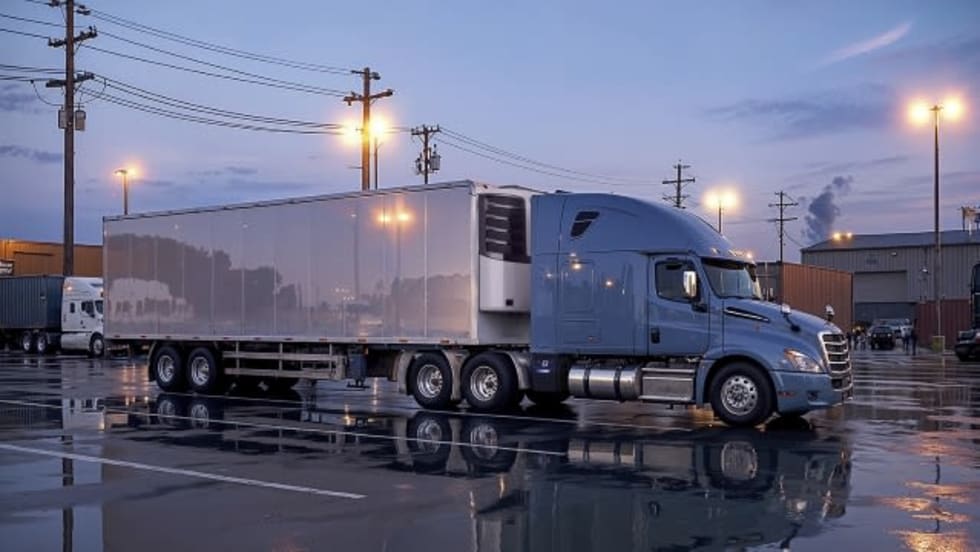
Enhance Fleet Performance with High-Efficiency Auxiliary Power Units
Drive sustainable cost savings while increasing driver comfort during short- and long-haul logistics operations.
Read More →
Maintenance in the ‘Messy Middle’ Part 2: Renewable Diesel Fuel
NACFE's latest Messy Middle Powertrain Service & Maintenance report says renewable diesel gives fleets an opportunity to reduce carbon emissions without changing trucks, fueling infrastructure or maintenance practices. But technicians still need to understand several important operational differences.
Read More →
The Diesel Engine Enters NACFE’s ‘Messy Middle’
NACFE’s new Messy Middle Powertrain Service & Maintenance report says keeping modern diesel engines running now depends as much on software, diagnostics and data as traditional mechanical service.
Read More →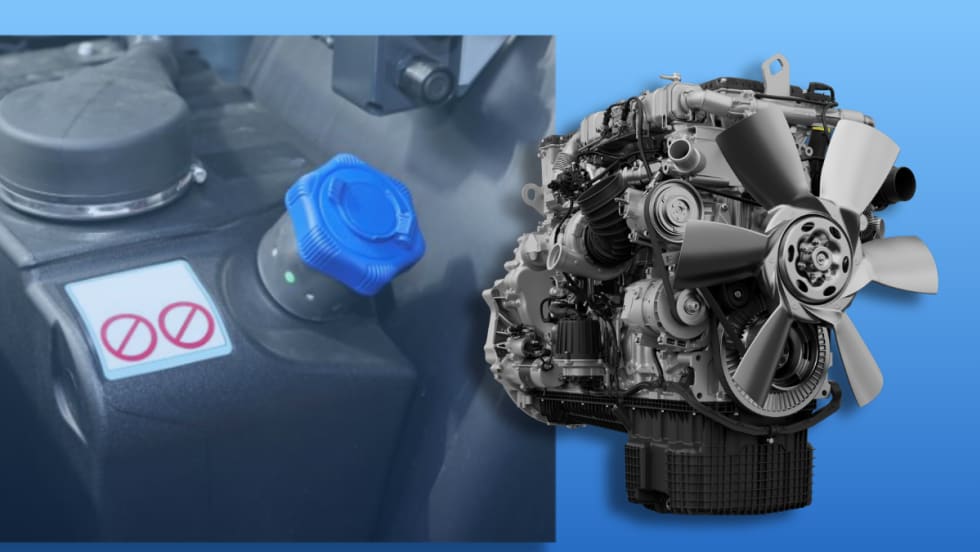
DTNA Software Update Gives Truckers More Time Before DEF Derates Take Effect
The changes reflect EPA guidance aimed at reducing downtime caused by emissions-system faults while maintaining compliance requirements.
Read More →
New Agentic Predictive Maintenance Report Demonstrates How Degraded Aftertreatment Systems Waste Fuel
Questar analyzed a large mixed-class fleet and discovered it was wasting as much as $30 in fuel per vehicle, per day, because of mechanically degraded aftertreatment systems.
Read More →