





Related: Why Electric Trucks? Why Now?
Total Cost of Ownership Still a Question for Medium-Duty Electric Trucks, NACFE Finds
A new Guidance Report from the North American Council for Freight Efficiency on total cost of ownership for medium-duty electric trucks in urban freight and delivery applications discovers there are still a lot of unknowns.
October 11, 2018
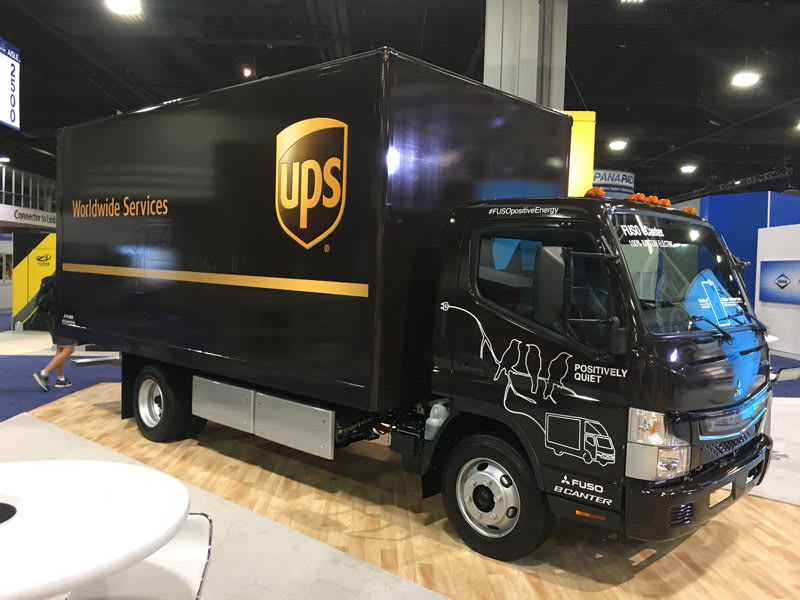
The unknowns of electric truck payback aren't stopping early adopters like UPS from investing in them to find out for themselves.
3 min to read
The North American Council for Freight Efficiency's latest Guidance Report, Medium-Duty Electric Trucks: Cost of Ownership, finds there are still a lot of unknowns. NACFE Executive Director Mike Roeth said in an Oct. 11 conference call that the new report, which took six months to research and write, focuses exclusively on Class 3 through 6 models engaged in P&D and other urban freight applications.
“Our first report on electric trucks concluded that medium-duty will be one of the first places we’ll see significant electric truck use,” Roeth said on a conference call with trucking journalists. “In this follow-up report, our team forced itself to understand the benefits, challenges of electric truck adoption over gasoline and diesel trucks. And that effort fell apart almost at once, because there are so many fleet operational variables in play when you switch to electric trucks. It’s a really big change. And we discovered that there are still a lot of generally unknown factors when it comes to electric truck adoption – some of which could have higher costs compared to diesel trucks. But there are also attractive opportunities, as well.”
One such example, he said, are maintenance costs for electric trucks, which have been painted as being as much as 75% less when on diesel or gasoline trucks. “Those figures haven’t been validated,” he cautioned. “And it’s a prime example of what we don’t know, because the field history of electric truck operation is minimal, total-cost-of-ownership modeling for electric battery vehicles involves a number of projections, estimates and guesses that this report seeks to clarify.”
According to Roeth, the report identifies 20 generally unknown factors concerning modern fleet operations with electric trucks. The report breaks them down into four broad categories: Market issues, battery issues, regulatory issues, and power/charging issues. However, he noted, even these significant unknowns are not stopping first-adopter fleets from buying battery electric trucks and putting them to work in order to gain first-hand operational data.
More specifically, Roeth said the report concluded that daily, return-to-base urban truck operations with routes under 100 miles were best suited for battery electric drivetrains, and that the primary justification to use battery electric trucks is to meet zero-emissions regulations and objectives.
The report, which can be found here, contains a great deal of free content, including a new, Total Cost of Ownership Cost Calculator that allows fleet managers to plug in specific operational details to determine electric truck costs compared to conventional vehicles. The entire, 174-page study purchased for $1,500.
Roeth said emphatically that battery electric trucks are not a fad and noted that their adoption profile is likely to follow a similar path to the one diesel-powered locomotives did in the 1940s and 1950s when they gradually replaced steam-powered engines. “Electric trucks are not a fad,” Roeth said. “We are not sure what the actual adoption rate will be. But it is clear that this technology is here and will increasingly deployed in real-world fleet operations in the near future. And we at NACFE are interested in continuing the dialog about them as their acceptance grows.”
More Fuel Smarts
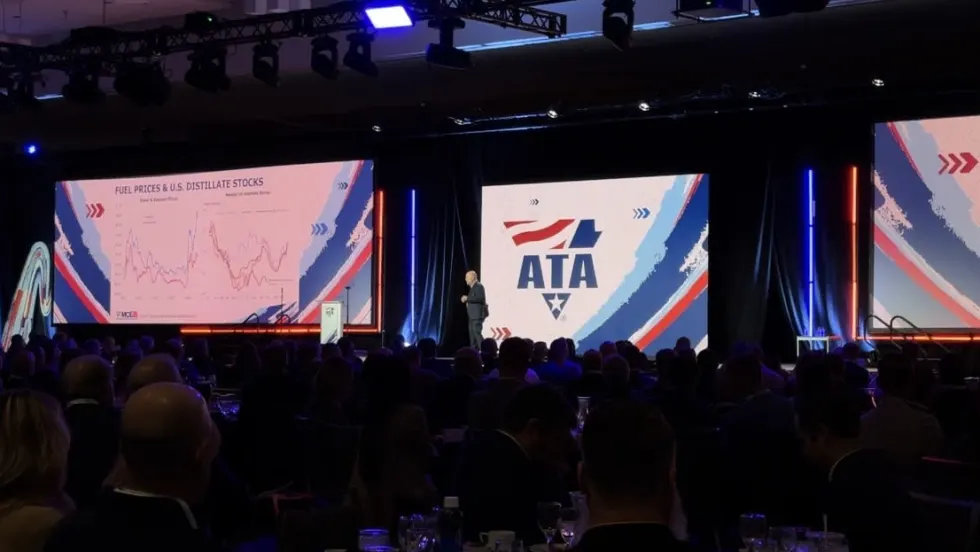
Trucking’s Diesel Squeeze Isn’t Letting Up
With diesel topping $6 a gallon nationally, ATA's Bob Costello explains why fleets should prepare for continued pressure at the pump.
Read More →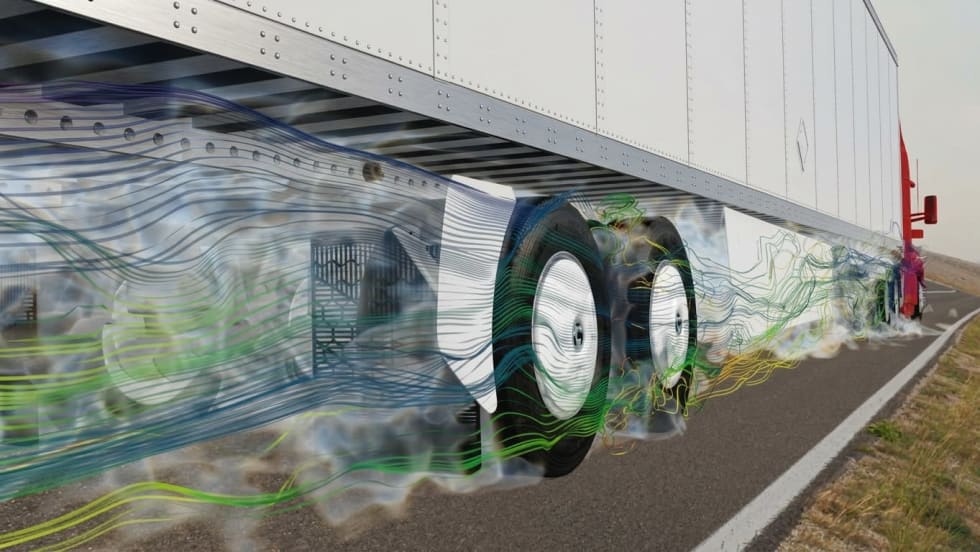
FlowBelow Redesigns Trailer AeroSlider to Cut Fuel Use
The lighter trailer aerodynamic system installs in less than 45 minutes, according to the company, with potential payback in under a year depending on fuel prices and trailer mileage.
Read More →
Why Diesel Price Relief Efforts May Fall Short
Diesel prices have eased from September’s record high, but doubts about additional Russian supply and limits on dyed-diesel tax relief mean trucking fleets still face expensive fuel. And prices could go higher.
Read More →
Why Small Fuel Savings Matter in Trucking
Can better fuel economy help pay for driver raises? In this podcast, GP Transco explains how small efficiency gains create room to reinvest in its people.
Read More →
How GP Transco Cuts Trucking Fuel Costs, a Tenth of a Gallon at a Time
What’s another tenth of a mile per gallon worth? GP Transco shares how equipment upgrades and driver coaching turn small gains into meaningful fuel savings.
Read More →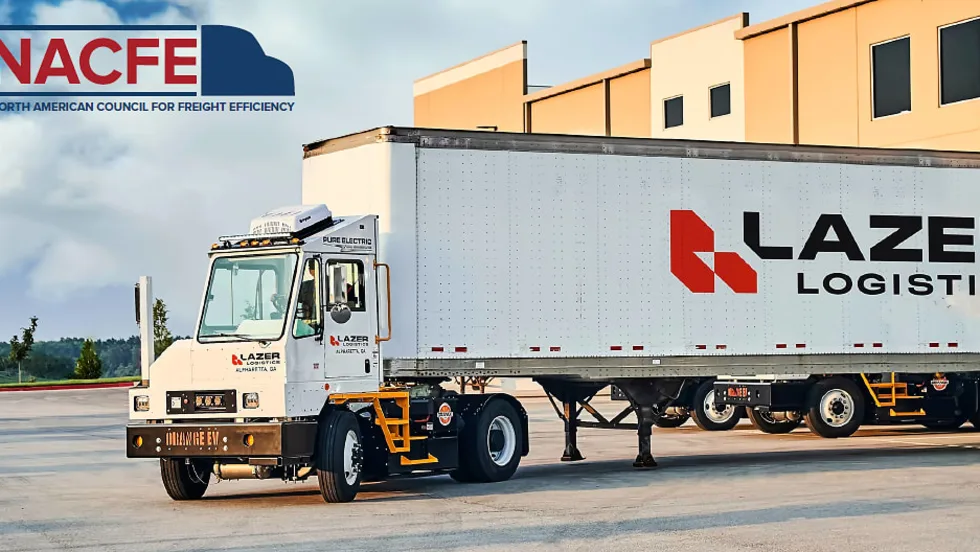
Electric Yard Tractors Move Beyond Pilots
Operating-cost savings have overtaken sustainability goals as the leading reason surveyed fleets are adopting battery-electric terminal tractors, according to new NACFE research.
Read More →
Geotab Links Fleet Card to Vehicle Data
The new card combines fuel discounts with telematics-based purchase controls. Geotab’s analysis also points to potential savings from choosing lower-priced fuel stops.
Read More →
Fleet Economics Shape Electric Truck Outlook
ACT Research expects costs, charging infrastructure, and technology improvements to drive zero-emission commercial vehicle adoption as federal regulations and incentives retreat.
Read More →
Wex Adds Cardless Fuel Payments for Over-the-Road Customers
A new fuel card feature for Wex customers offers convenience and security.
Read More →
New California Law Could Shed Light on Electric Truck Prices
Why do battery-electric Class 8 trucks remain so expensive? A California bill signed by Gov. Gavin Newsom would give fleets and state agencies more visibility into what manufacturers charge.
Read More →