




Mouthpiece Offers Sleep Apnea Treatment Alternative
Truckers with sleep apnea now have access to an easy-to-use sleep-time mouthpiece that's an alternative to the continuous positive airway pressure machine (CPAP) that is the most common treatment
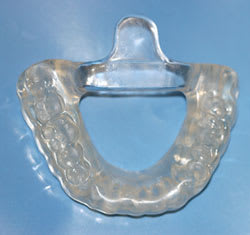
Truckers with sleep apnea now have access to an easy-to-use sleep-time mouthpiece that's an alternative to the continuous positive airway pressure machine (CPAP) that is the most common treatment.
Many commercial truckers are plagued with the problem of Obstructive Sleep Apnea (OSA), a condition usually caused by the tongue falling back and blocking the airway for anywhere between 10 and 90 seconds while the person is sleeping. This creates breathing pauses where the person is not getting oxygen.
Those with severe sleep apnea have typically relied upon the use of a continuous positive airway pressure machine (CPAP). It employs a mask which fits over the person's nose and mouth during sleep and blows high-pressured air into the mouth, or up the nose, to open the airway. It is a successful treatment when used, but many find it very uncomfortable.
As an alternative for CPAP-intolerant persons, the U.S. Department of Health and Human Services recommends the use of oral appliances (mouthpieces) for the treatment of OSA.
For the most part, the dental mouthpieces that are available advance the jaw forward. The tongue is thus pulled forward and the airway is opened. Many of these oral appliances, however, have proven to be uncomfortable, causing jaw pain.
The Full Breath Solution works differently, using a tail that restrains the tongue from moving upward and backward. The tail lightly depresses the tongue and prevents its movement backward, keeping the airway unblocked. The length of the tail is custom-fitted to each person, using advanced dental imaging for precise diagnostics to ensure the most comfortable and effective placement.
More info: www.fullbreathcenter.com.
More Safety & Compliance

NYC Expands Speed, Pedestrian Safety Tech Across Fleet
New York City is expanding intelligent speed assistance and pedestrian-alert systems across its municipal fleet, moving the technologies from pilot programs into vehicle procurement and retrofit requirements.
Read More →
FMCSA Removes 110 Truck Driver Training Schools from Certified ELDT List
Federal regulators also are targeting more than 160 additional training providers and launching a nationwide audit of third-party CDL skills testers as part of a broader crackdown on trucking fraud.
Read More →
Beyond DOT Compliance: What Makes a Trucking Fleet Truly Safe?
A trucking fleet can follow every rule and still make unsafe decisions. The real test comes when safety conflicts with freight, productivity, or cost.
Read More →
Hours of Service Pilot Programs: FMCSA Readies for 2027 Rollout
Two pilot programs could eventually reshape hours-of-service rules, giving truck drivers options to pause their 14-hour clock or use longer split sleeper rest periods.
Read More →
New Guide Offers Pet Safety Tips for Truck Drivers
Hundreds of thousands of pets travel in truck cabs. A new safety guide from Volvo Trucks and the Center for Pet Safety offers practical advice for truck drivers who bring dogs and cats along for the ride.
Read More →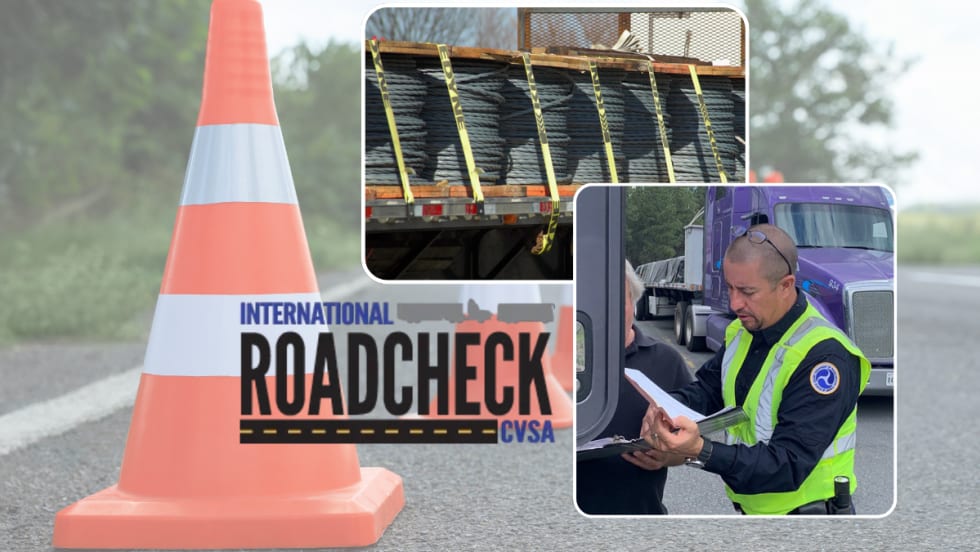
Medical Cards, English Proficiency Reshape Roadcheck Violations
Medical-card violations jumped to the top of the driver out-of-service list during CVSA’s 2026 International Roadcheck, while English-language proficiency violations appeared among the leading violations for the first time.
Read More →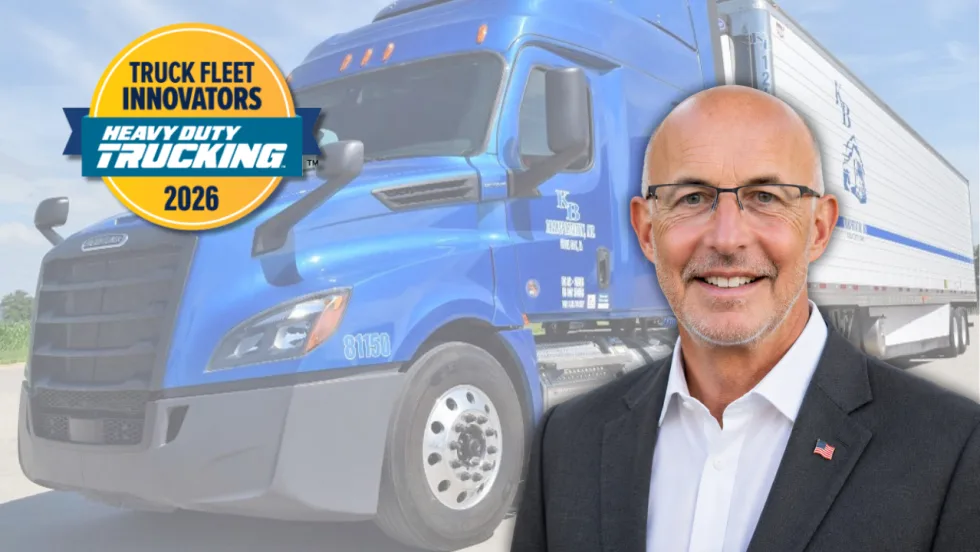
How Lance Evans Turns Enforcement Experience Into Better Fleet Safety
HDT Truck Fleet Innovator Lance Evans brings lessons from law enforcement to K&B Transportation’s approach to safety technology, data, driver coaching, and compliance.
Read More →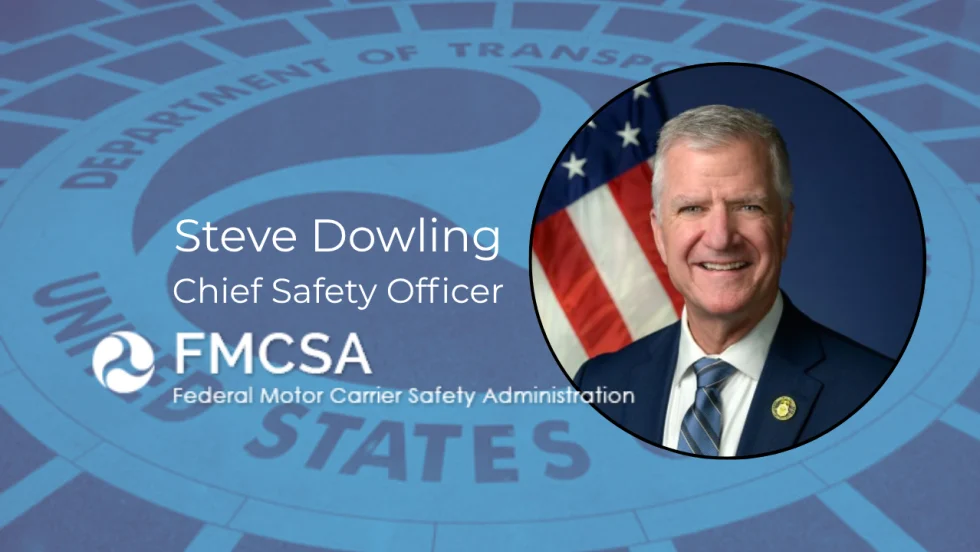
New FMCSA Chief Safety Officer Has Trucking Industry and Law Enforcement Experience
Steve Dowling joins FMCSA after serving as senior director of safety at Covenant Logistics and in leadership roles in commercial motor vehicle industry organizations.
Read More →
Driver Trust Can Make or Break the Success of Fleet Safety Technology
New Teletrac Navman research suggests that onboarding, transparency about driver data, and positive feedback can play a significant role in how commercial drivers respond to safety and coaching technology.
Read More →
FMCSA: Stop Using These 15 Electronic Logging Devices
Fleets and drivers must replace the revoked ELDs with ones on the FMCSA's registered device list of electronic logging devices.
Read More →