




Mexican Trucks Will Have EOBRs
Additional details are emerging on the agreement between the U.S. and Mexico to reopen the border to long-distance trucking. A Department of Transportation official speaking on background confirmed that under the plan, the Federal Motor Carrier Safety Administration will require Mexican trucks to use electronic onboard recorders as part of their satellite tracking systems
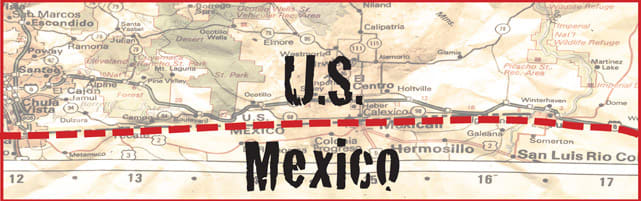
Additional details are emerging on the agreement between the U.S. and Mexico to reopen the border to long-distance trucking.
A Department of Transportation official speaking on background confirmed that under the plan, the Federal Motor Carrier Safety Administration will require Mexican trucks to use electronic onboard recorders as part of their satellite tracking systems.
The systems will be paid for by FMCSA to ensure that the agency will own and control all the data they gather, the spokesman said.
This requirement echoes the provision in the earlier pilot program that Congress defunded in 2009, in which FMCSA bought satellite tracking systems for the Mexican trucks.
According to a report by CNN out of Mexico City yesterday, the new program will be bigger in scope than the former pilot project, which limited the number of participating carriers to 100.
This program will have no limit on the number of carriers that can participate, CNN reported Mexico's Communications and Transportation Minister, Dionisio Perez-Jacome, as saying. It is not yet clear how that fits with a U.S. background document that indicates the number of carriers will be limited, at least in the first stage of the program.
That document outlines three elements: pre-operations vetting, monitoring of operations and communications to the public and Congress.
Pre-operations vetting would include an application process in which the number of participants in the first phase of the program would be limited to ensure oversight, subject to agreement with Mexico, the document says.
This provision echoes the 2007 Bush administration approach of beginning the opening process with a demonstration program under which a limited number of U.S. and Mexican carriers could conduct business across the border. The idea was to test the effectiveness of a safety management system devised by the Federal Motor Carrier Safety Administration, as a prelude to fully opening the border.
The vetting and inspection processes in the concept also echo what FMCSA has done in the past.
Included are a pre-authority safety audit in which the agency would review the Mexican carrier's safety management program and the records of drivers who would be crossing the border, including their Mexican federal and state records. The drivers would be tested for English proficiency and knowledge of U.S. traffic laws. Mexican carriers' safety performance in Mexico would be reviewed, and the audit would include inspections of the trucks for U.S. safety and emissions compliance.
The operations element of the concept provides for inspections - including inspections each time a truck crosses the border, for a period of time to be negotiated - and reviews to follow up on the initial screening review. A Mexican carrier would have to clear a Compliance Review and earn a Satisfactory Safety Rating in order to get full operating authority. Insurance would be monitored and the agency could conduct compliance reviews of Mexican drug and alcohol testing facilities.
The communications program would include public notice and an opportunity for comment, a web site at the FMCSA home page, creation of an advisory committee and period reports to Congress - all elements of the earlier pilot program.
According to CNN's report, a U.S.-Mexico commission will be created to monitor the new program.
The White House announced last week that when a final agreement is reached, possibly this spring, Mexico will suspend its retaliatory tariffs in stages. It will start reducing tariffs by 50 percent at the signing of an agreement and will suspend the remaining 50 percent when the first Mexican carrier is granted operating authority under the program.
More Equipment
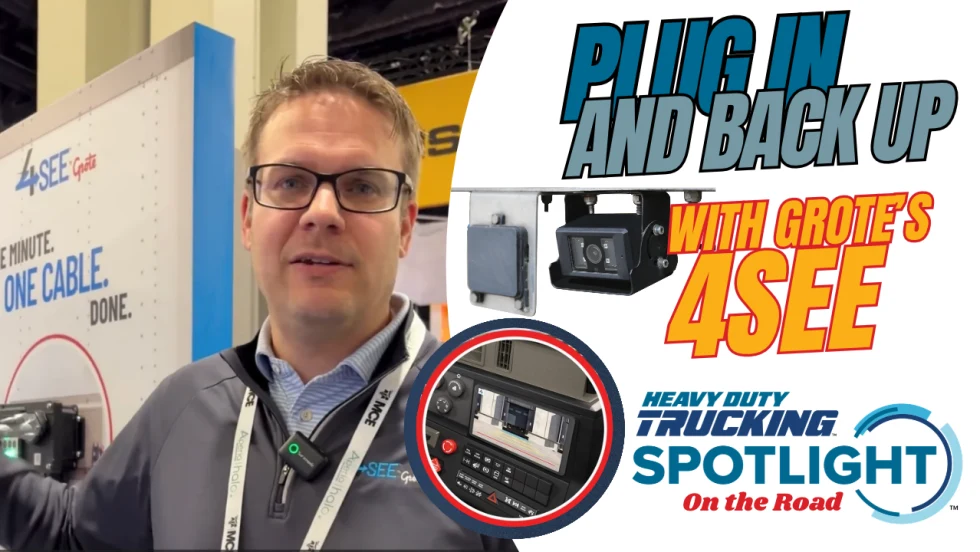
More Trailer Data Through the Same Seven-Way [Video]
Can trucking’s standard seven-way connector handle more cameras and trailer data? Grote’s Adam Slade shows HDT how the company is using new technology with its 4See trailer system, not only to add a new backup camera but also to expand other capabilities — without adding another connection.
Read More →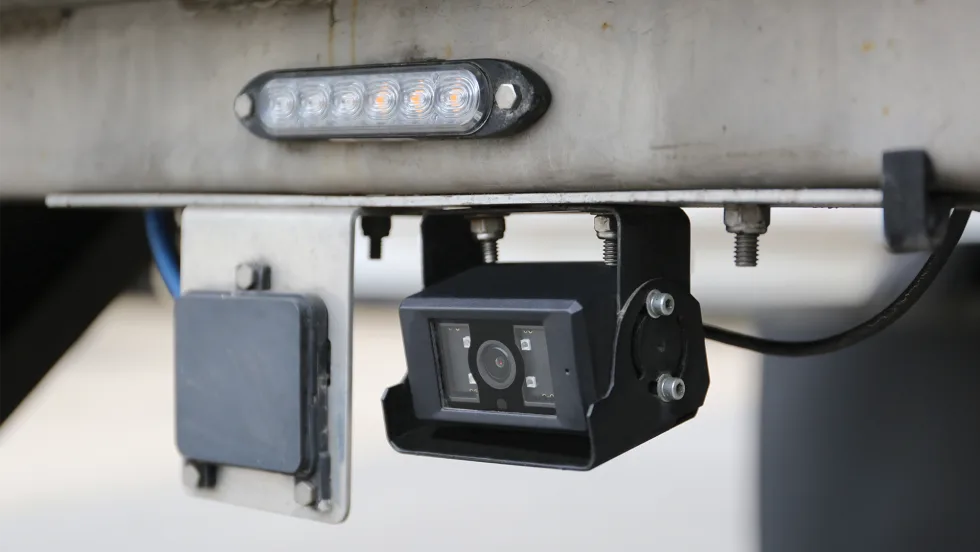
Grote: More Cameras, Same Seven-Way Connector
The next-generation 4See rear-view backup camera from Grote uses the standard seven-way connector and supports additional cameras and other trailer data.
Read More →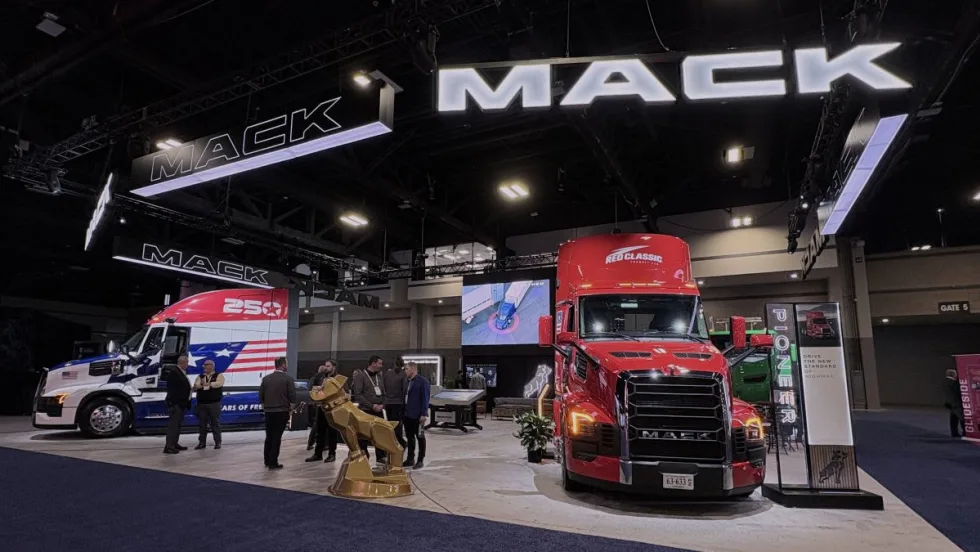
Trucks at ATA's 2026 MC&E in Charlotte, North Carolina [Photos]
From rigs decked out in patriotic America's 250 paint schemes to autonomous trucks and more, check out these photos from ATA's 2026 Management Conference & Exhibition.
Read More →
Help HDT Find Trucking’s Top Products
Have you come across a new product that could make a difference for trucking fleets? Nominate it for HDT’s 2027 Top 20 Products Awards by November 9.
Read More →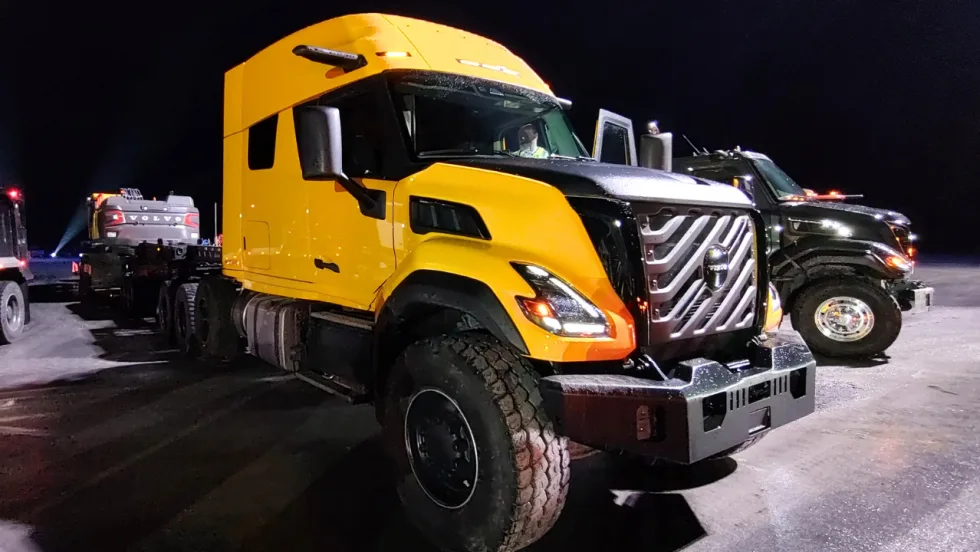
Volvo Unveils New VNX Heavy-Haul and Vocational Truck
Volvo Trucks has launched the VNX, a new vocational truck also available as a tractor in day cab and two sleeper configurations, with one heavy-haul model. The Volvo VNX is powered by Volvo's D13 platform, which delivers up to 540 horsepower and 1,950 pound-feet of torque and is EPA 2027-compliant.
Read More →
How GP Transco Cuts Trucking Fuel Costs, a Tenth of a Gallon at a Time
What’s another tenth of a mile per gallon worth? GP Transco shares how equipment upgrades and driver coaching turn small gains into meaningful fuel savings.
Read More →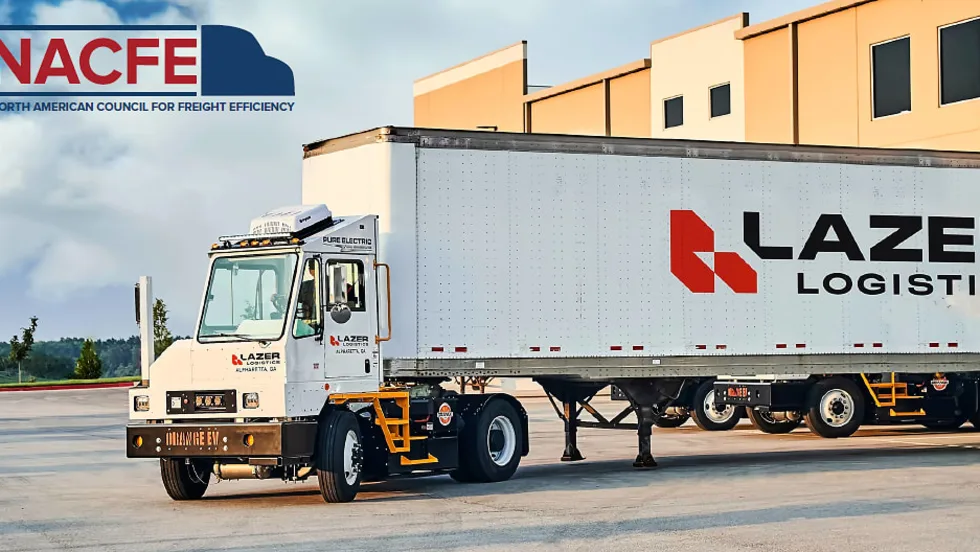
Electric Yard Tractors Move Beyond Pilots
Operating-cost savings have overtaken sustainability goals as the leading reason surveyed fleets are adopting battery-electric terminal tractors, according to new NACFE research.
Read More →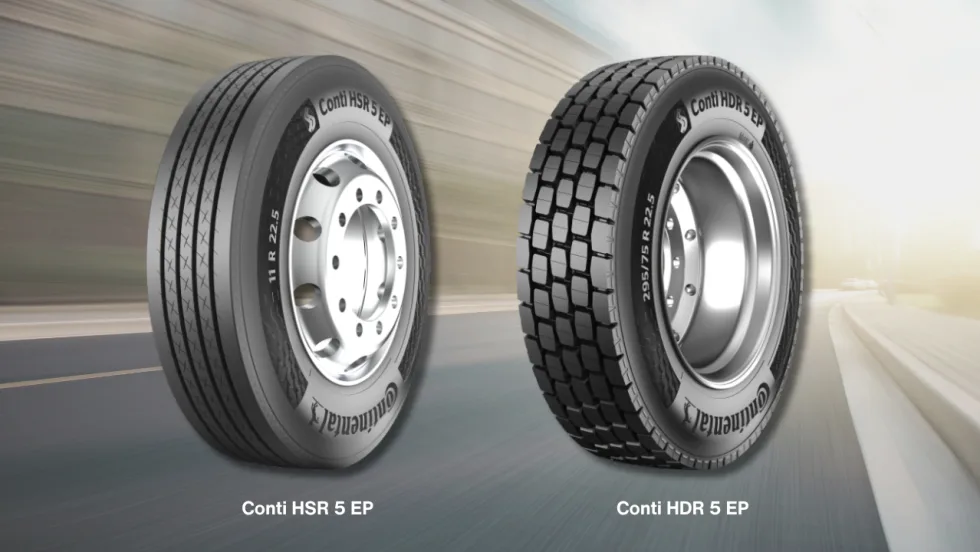
Continental Introduces New Regional Truck Tires
Continental says its new Generation 5 steer and drive tires for regional operations offer longer tread life, with estimated mileage gains of 22% and 19%, respectively.
Read More →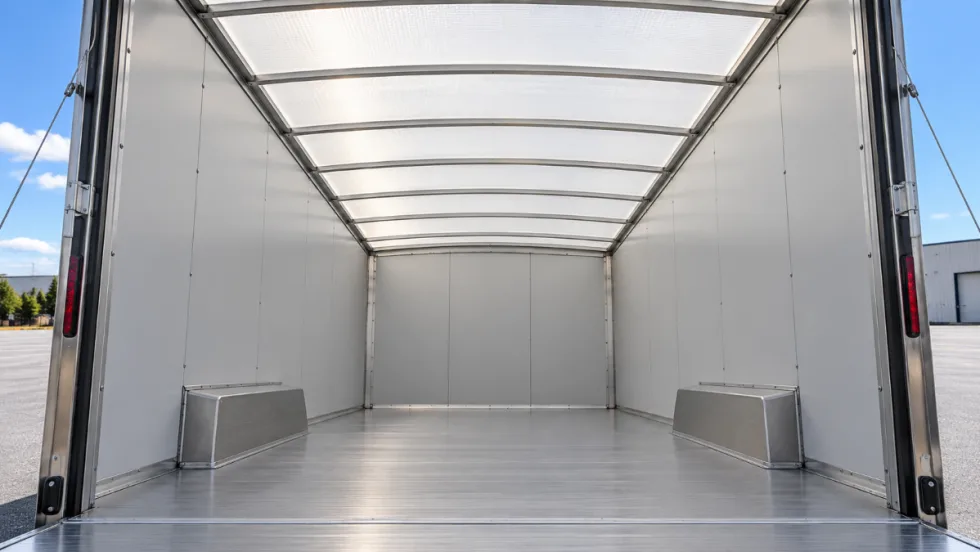
Tekmodo Introduces CargoBright Brand for Translucent Trailer Roofs
CargoBright is designed to diffuse daylight across the cargo area while performing as a working vehicle roof.
Read More →
Fleet Economics Shape Electric Truck Outlook
ACT Research expects costs, charging infrastructure, and technology improvements to drive zero-emission commercial vehicle adoption as federal regulations and incentives retreat.
Read More →