




More cars on the road does not necessarily mean more crashes, according to researchers from the Michigan Department of Transportation and Michigan State University.
A recent study on 16 miles of Interstate in Detroit revealed that crash rates were very high at low levels of congestion, decreased rapidly as the number of vehicles increased, and rose again when congestion reached its peak.
The fact that overall crash rates were higher when congestion was lowest is attributed to the following factors: low traffic levels mean cars can go faster, single-car and rollover crashes are more common and lowest congestion levels usually occur late at night when drivers are more likely to be drowsy or have been drinking.
According to Christopher Johnson, research analyst at the AAA Foundation for Traffic Safety, drivers need to be aware that an empty road is not necessarily a safe one. “Just because there’s no traffic doesn’t mean that you can speed or decrease your attention,” he said.
Lower Traffic Levels Lead To Higher Accident Rates, Study Shows
More cars on the road does not necessarily mean more crashes, according to researchers from the Michigan Department of Transportation and Michigan State University. A recent study on 16 miles of Interstate in Detroit revealed that crash
More Safety & Compliance
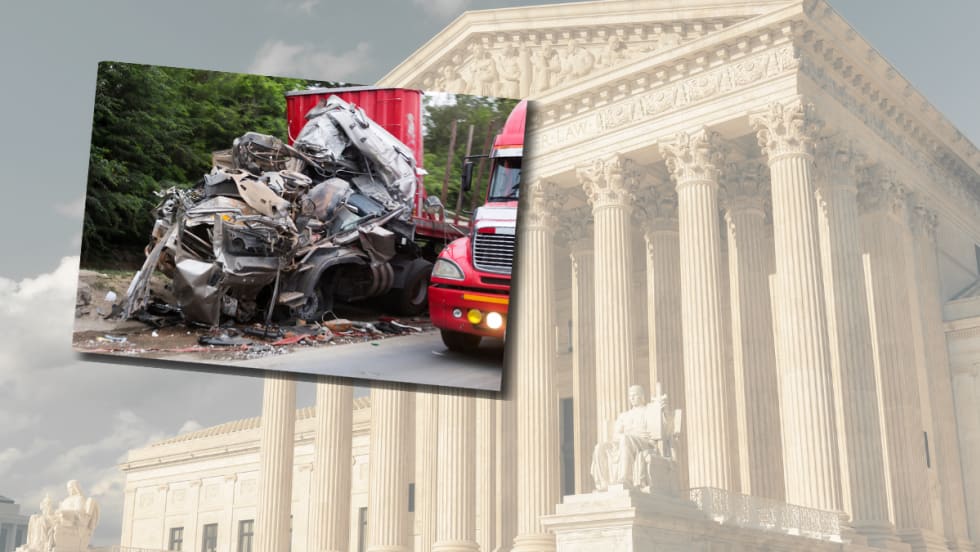
Supreme Court Ruling Puts Freight Broker Vetting Practices in Spotlight
The unanimous SCOTUS ruling in the closely watched Montgomery v. Caribe case allows state negligence claims against freight brokers that hire unsafe motor carriers, raising new liability and vetting concerns among brokers.
Read More →
The Truck Safety Tech K&B Transportation Says Is Making a Difference [Watch]
Can technology help prevent truck crashes? In this HDT Talks Trucking Short Takes episode, K&B Transportation explains how it’s using cameras, speed management tools, cellphone-blocking technology, and other systems to improve safety and reduce risk across its fleet.
Read More →
Listen: Inside Modern Fleet Safety: AI, Cameras & Speed Control at K&B Transportation
Fleet safety is evolving fast—and technology is at the center of it. Learn how a former commercial vehicle enforcement officer turned director of safety at K&B Transportation is embracing real-world safety technology.
Read More →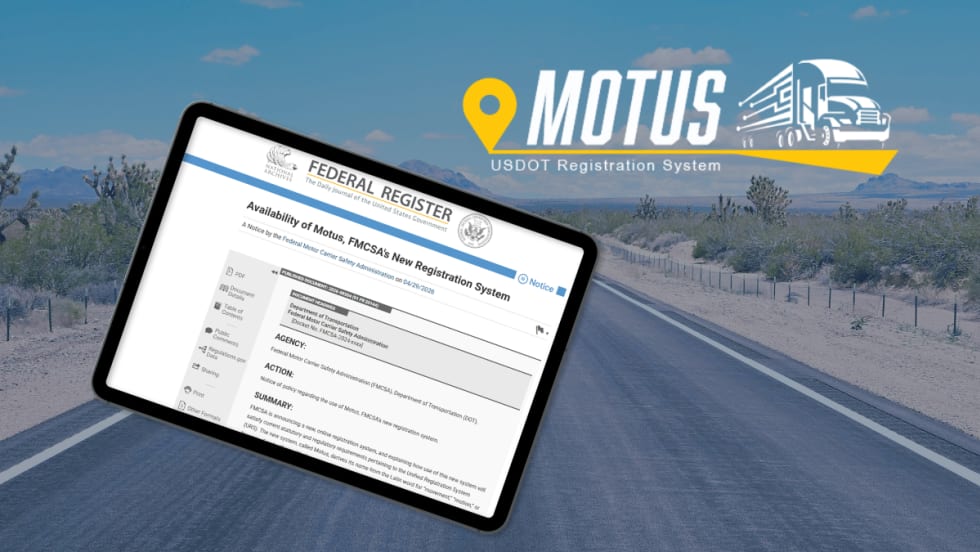
FMCSA’s Motus System Is Coming. What Fleets Need to Know Now
FMCSA's long-awaited registration system promises a single portal — and tighter fraud controls. And there are steps you need to take by May 14.
Read More →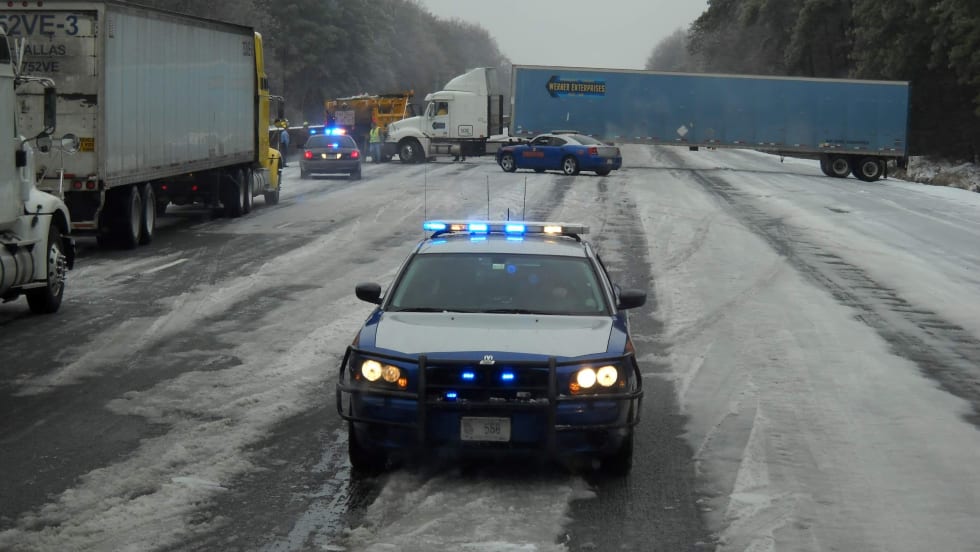
Avoiding Winter Pileups: Don’t Become the Next Link in the Crash-Chain
Winter roadway “pileups” aren’t one crash — they’re a chain reaction. Here’s what triggers them, how truck drivers can spot the danger early, and what to do if you're suddenly trapped in the mess.
Read More →
Nominations Open for HDT Truck Fleet Innovators 2026
Heavy Duty Trucking is searching for forward-looking leaders at trucking fleets as nominations for HDT’s Truck Fleet Innovators 2026. Deadline is May 15.
Read More →
Freightliner Expands Detroit Assurance with New Intersection and Turning Safety Tech
Detroit’s next-generation ABA6 safety system adds cross-traffic detection and enhanced side guard assist with left-turn protection, targeting high-risk urban scenarios.
Read More →
'Beyond Compliance,' Regulations, Driver Coaching on ATRI’s 2026 Research List
The American Transportation Research Institute will examine driver coaching, regulatory impacts — including the "Beyond Compliance" concept —and weather disruptions that shape trucking operations.
Read More →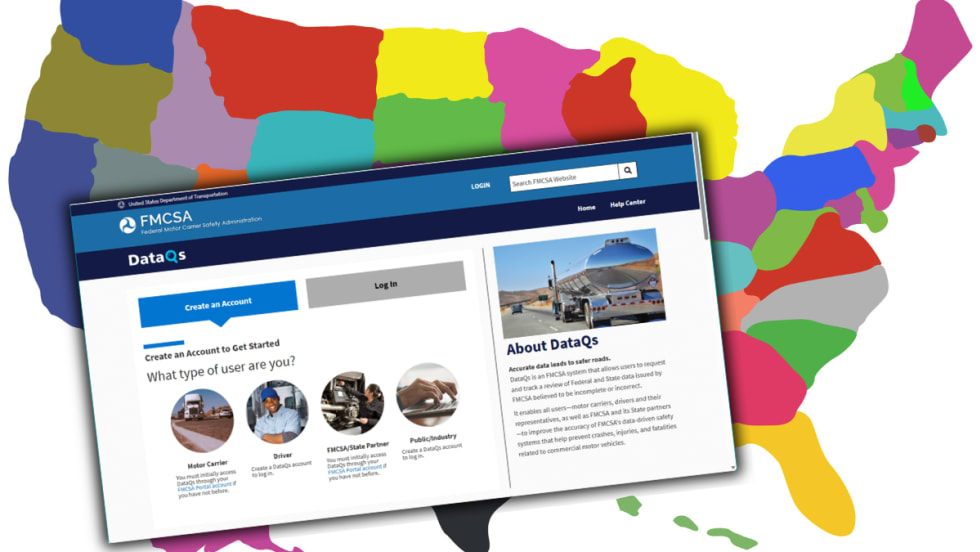
FMCSA Revamps DataQs to Improve Fairness, Speed of Reviews
New requirements add firm deadlines and independent review steps, addressing long-standing complaints about inconsistent rulings and slow response times.
Read More →
FMCSA Extends Paper Medical Card Exemption … Again
Five states still aren't ready to accept commercial driver medical exam information directly from the medical examiner's registry.
Read More →