




Key Lobby Floats Political Solution to Fix Highway Trust Fund
The American Road & Transportation Builders Association is floating a detailed “political solution” that it contends would “permanently resolve the issue of [using] short-term fixes” to fund future investments in highway/bridge and transit capital projects.

Source: ARTBA
Determined to break up the political logjam that threatens yet again to sink passage of a long-term solution to federal transportation funding, the American Road & Transportation Builders Association is floating a detailed “political solution” that it contends would “permanently resolve the issue of [using] short-term fixes” to fund future investments in highway/bridge and transit capital projects.
ARTBA’s “Getting Beyond Gridlock” proposal packs a one-two punch that aims to smash through Capitol Hill gridlock. It seeks to hike the federal gasoline/diesel motor-fuel tax by 15 cents per gallon. And to offset the impact of that hit on consumers, it calls for a federal income-tax rebate for “middle and lower income Americans” that would run for six years.
Specifically, per the ARTBA plan, a single tax filer with an Adjusted Gross Income (AGI) of $100,00 or less would receive a $90 per-year tax rebate— the average annual cost to them of a 15 cent gas tax increase— for each of the six years covered by, presumably, this year’s transportation-reauthorization bill. Joint filers with an AGI of $200,000 or less would receive a $180 rebate.
Legislating that combination would “fund a $401 billion, six-year highway and mass transit capital investment program and provide sustainable, user-based funds to support it for at least the next 10 years,” said ARTBA president Pete Ruane in a conference call with reporters today.
Dr. Alison Premo Black, ARTBA’s economist, said the group’s analysis shows the rebate would “completely offset the gas tax increase for 94 percent of American tax filers.” She also advised that the cost to the U.S Treasury of this tax-rebate proposal would amount to $103.3 billion over six years.
“If our national leaders think they need to use budget gimmicks or ‘one-offs’ again to pass the surface transportation investment program the states need and the business community has been pleading for, then use those devices to provide a $90 tax rebate to middle and lower income tax filers to offset the cost to them of a 15 cent per gallon increase in the federal gas tax,” Ruane said.
“Don’t use gimmicks to prop up the program for a few years," he continued. "That won’t resolve the structural damage that’s been done to the Highway Trust Fund, nor will it allow states to do the long-range capital planning needed.”
As for which “gimmick” Congress might ultimately deploy, Ruane further explained that ARTBA is “not wedded” to the income-tax rebate, but implementing that measure as an offset of the fuel-tax increase for the length of the next surface-transportation program “might be politically necessary.”
To be sure, Ruane was clear that ARTBA is fielding its plan with its blinders off. “Two years ago, we were in this same spot with this $15 billion plus a year cash-flow problem” endemic to the Highway Trust Fund. “No one in Congress has presented a timetable for how to get this done.
“It’s not a lack of information that is holding back the process,” he continued. “It’s a political problem. That’s why we are offering a political solution.”
As ARTBA sees it, an increase in user fees-- the federal motor-fuels excise rate-- is the most efficient avenue to both allieviate the HTF’s cash-flow problem and raise the revenue needed to fund expanded capital investments to improve freight mobility and relieve traffic congestion.
The real issue, the group contends, is that “so far, the politics of a user-fee increase has been a stumbling block” so a politically smooth path around that for Congress to follow is what its Getting Beyond Gridlock lays out.
Should ARTBA’s pitch for the tax rebate take flight, then according to Ruane, it “will be up to the Senate Finance and House Ways & Means committees to figure out how to pay for the tax rebate.”
Ruane said the group is suggesting “one possible mechanism [to fund the rebate] that has been elevated over the past year in the political discussion on highway and transit funding— a one-time federal repatriation transition tax.”
Indeed, he noted that the Obama Administration has proposed placing a 14 percent transition tax on untaxed foreign earnings that U.S. companies have accumulated overseas to augment the existing HTF revenue stream and fund its $478 billion six-year transportation proposal.
Ruane also pointed out that last year, former House Ways & Means Committee Chairman Dave Camp (R-MI) proposed raising $126.5 billion over 10 years through a repatriation transition tax for the HTF to fund an eight-year “status quo” surface transportation investment authorization as part of his comprehensive tax reform plan. He added that this year Rep. John Delaney (D-MD) has introduced a bill to use deemed repatriation at an 8.75 percent tax rate to generate an additional $120 billon to the HTF for six years.
“However,” Ruane cautioned, “just using repatriation as a one-time, short-term patch for Highway Trust Fund investment does not address or resolve the trust fund’s underlying revenue stream problem.”
He warned that after the “repatriation fix period” is over, “the trust fund’s cash flow problem not only returns, but will be worse than it is now-- threatening another crash in the highway and transit investment program.”
The kicker, Ruane explained, is that hiking that fuel tax by 15 cents “would generate an additional $27 billion per year for HTF investments.” He stated that ARTBA’s model “shows that would end the eight-year HTF revenue crises cycle.”
“We hope this [proposal] is helpful to Congress and the Administration as they get serious about a real solution that doesn’t just dig out of the huge hole that has been created, but also starts making the bold capital investments necessary to help U.S. businesses and show Americans real results,” Ruane said.
“If there is a better plan out there that puts the surface transportation program back on solid ground over the next 10 years with a sustainable growth trajectory, then let’s move on it now,” he added. “The time for cogitating and fretting is over. The clock is ticking.”
More Fleet Management
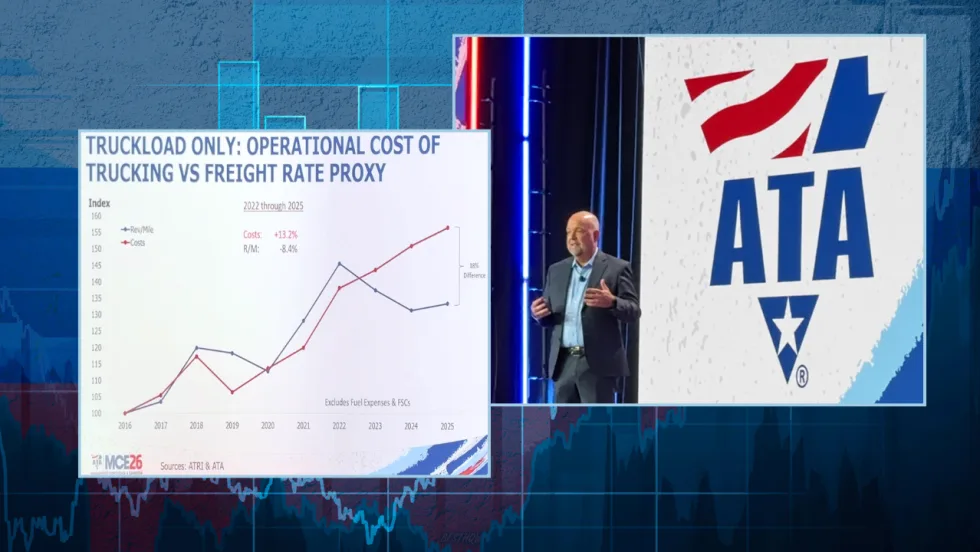
Why This Trucking Recovery Is Different
Freight demand remains sluggish, but rising costs and tougher enforcement have taken enough capacity out of the market to change the outlook for motor carriers.
Read More →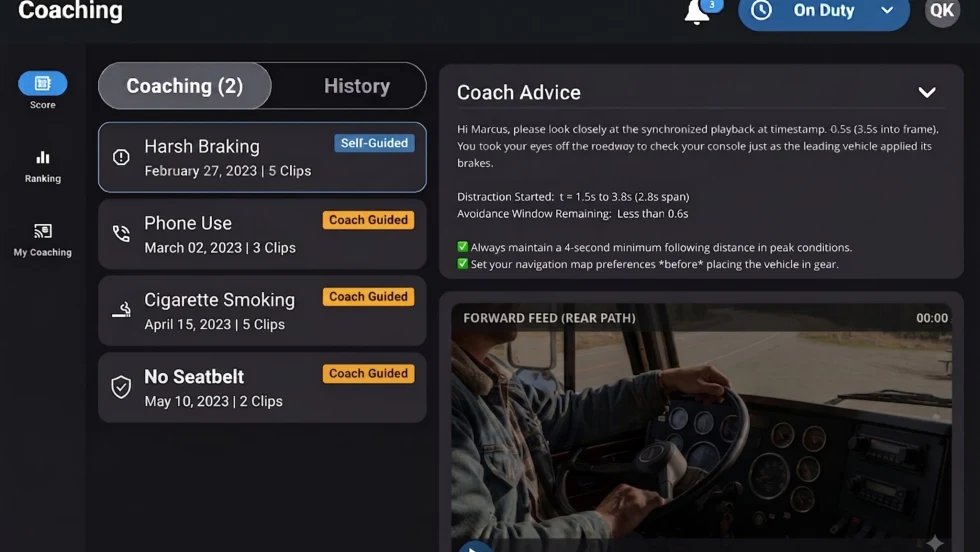
Platform Science Adds Dispatch and Safety Tools
Four additions to PS Fleet help fleets monitor loads, manage driver coaching, share truck locations and adjust video system settings.
Read More →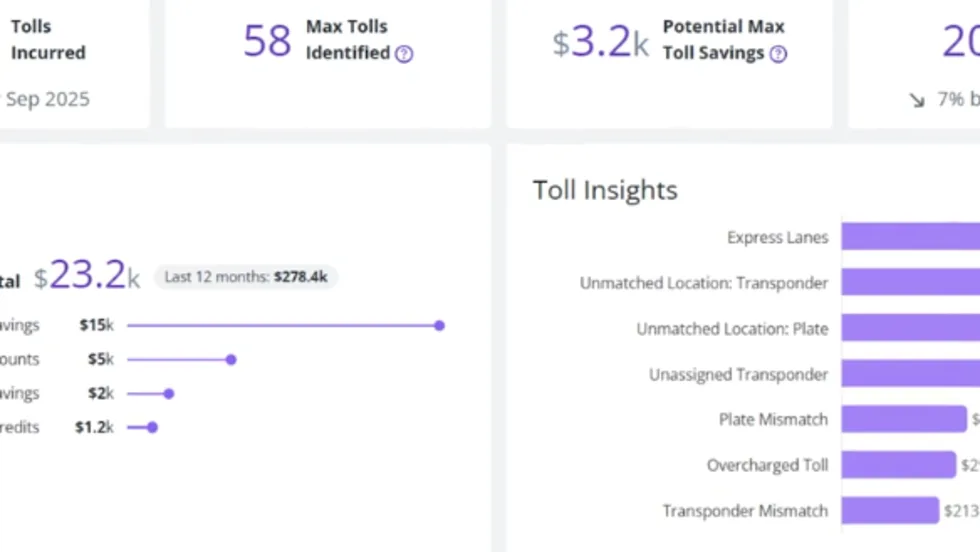
PrePass Intelligence Mines Fleet Bypass, Toll and Safety Data
PrePass Intelligence helps fleets measure bypass savings, flag potential toll overcharges, and spot suspicious transactions by combining data from separate systems.
Read More →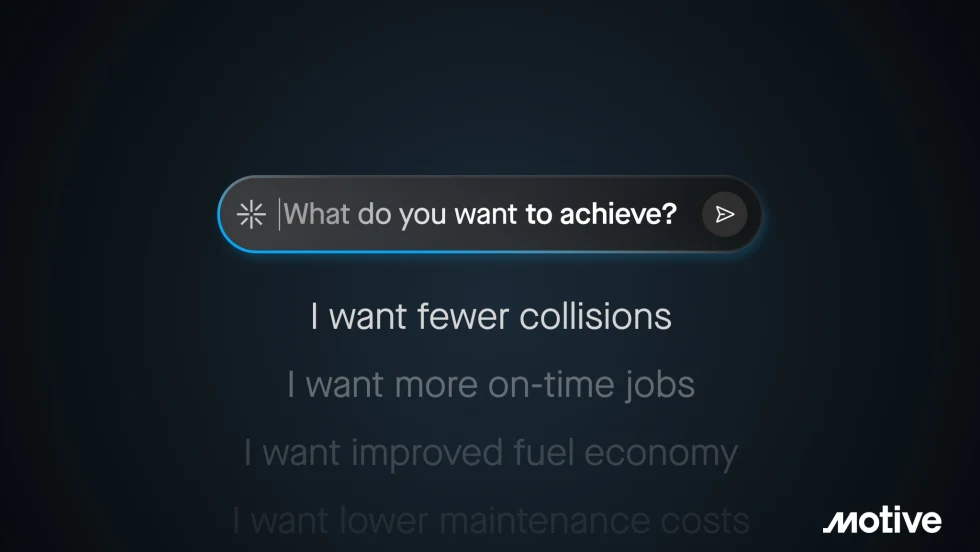
Motive Adds AI Agents for Fleet Operations
New tools automate follow-up on fleet data, from maintenance work orders to driver alerts, with two-way voice conversations planned for later this year.
Read More →
Can You Beat Our Trucking Trivia Challenge?
Test your truck knowledge with 19 trivia questions from Heavy Duty Trucking Exchange. Can you keep up with the fleet pros?
Read More →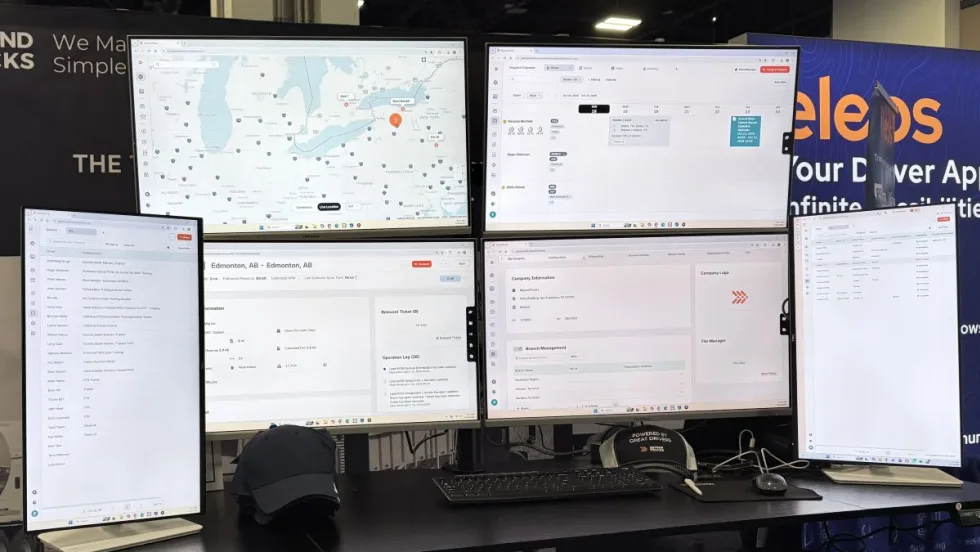
BeyondTrucks Adds Rules Checks to Dispatch
New Compatibility Engine checks driver qualifications, equipment requirements and fleet policies before loads are dispatched.
Read More →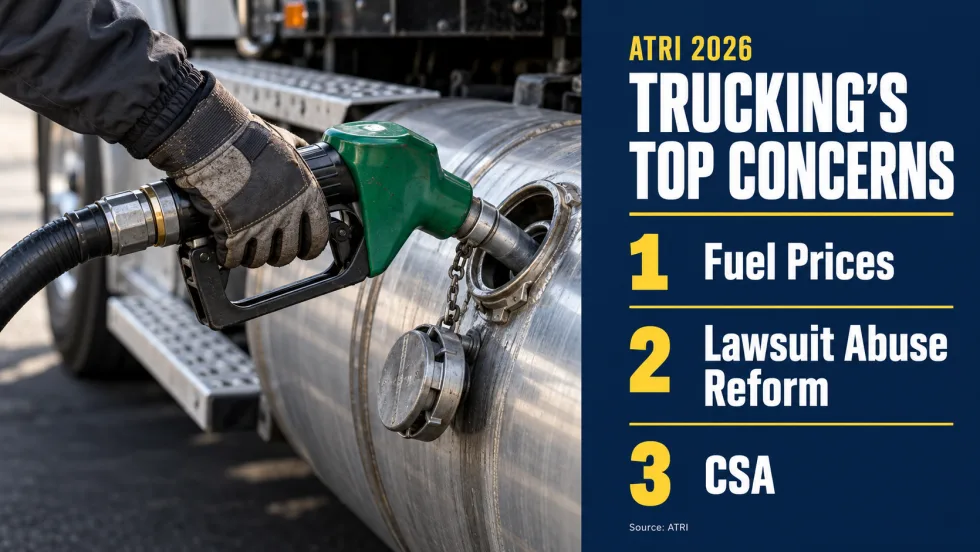
Diesel Prices Hijack Trucking’s Worry List
ATRI’s annual survey finds cautious optimism about freight, but diesel costs, litigation, and insurance continue to squeeze fleets. Drivers have different priorities on several issues.
Read More →
Nomination Deadline Extended for HDT Emerging Leaders
Just a few more days to nominate accomplished trucking fleet professionals under 40 who are making an impact and helping lead the industry forward for the HDT Emerging Leaders award. Deadline extended to October 20!
Read More →
What Will ATA’s New Leader Bring to Trucking's Table?
Incoming President and CEO Mark Colson’s record in Alabama offers clues about his priorities and approach following Chris Spear’s abrupt departure as the head of the American Trucking Associations.
Read More →
Volvo, Waabi Start Commercial Autonomous Operations in Texas
Volvo VNL Autonomous trucks, powered by the Waabi Driver, are hauling freight directly to third-party facilities for a customer in Texas.
Read More →