




Keeping an Eye on Inventories
Monday's business inventory report from the Census Bureau confirms that excess inventories continue to be absorbed. Inventories have to return to "normal" before production, imports and freight can recover to the level of current consumption
Monday's business inventory report from the Census Bureau confirms that excess inventories continue to be absorbed. Inventories have to return to "normal" before production, imports and freight can recover to the level of current consumption.
Inventories declined 0.3% in February, keeping the inventory/sales ratio at 1.37, about 41 days of inventory. Early reports for March sales and production suggest that the ratio will at worse be steady, and likely will decline slightly.
What's "normal"?
The inventory/sales ratio was as low as 1.31 last March. Then, inventories were considered too lean. The ratio has been trending down for more than a decade with better inventory management (and the help of "just-in-time" truck shipments). So the ratio that is consistent with balanced inventories this spring is in the 1.28 to 1.32 range. This means that there were 1.5 to 2.7 days of surplus inventory at the end of February, and there are almost certainly less by now. If sales are steady, it will take two to six months to work off the excess, beginning in April. If sales increase at a modest 2% annual rate, the inventory excess could be gone by end of May.
Retailers have inventory nearly balanced now. They shifted their problems to their wholesalers. Wholesalers are now pushing the problem back to their manufacturing suppliers of finished products. That means that the worst inventory problems this spring will be with the next link in the supply chain - component and material manufacturers. You will see reports of sharp production cuts and layoffs from industries such as telecommunications semiconductors, metal component manufacturers and industrial chemicals.
More Fleet Management
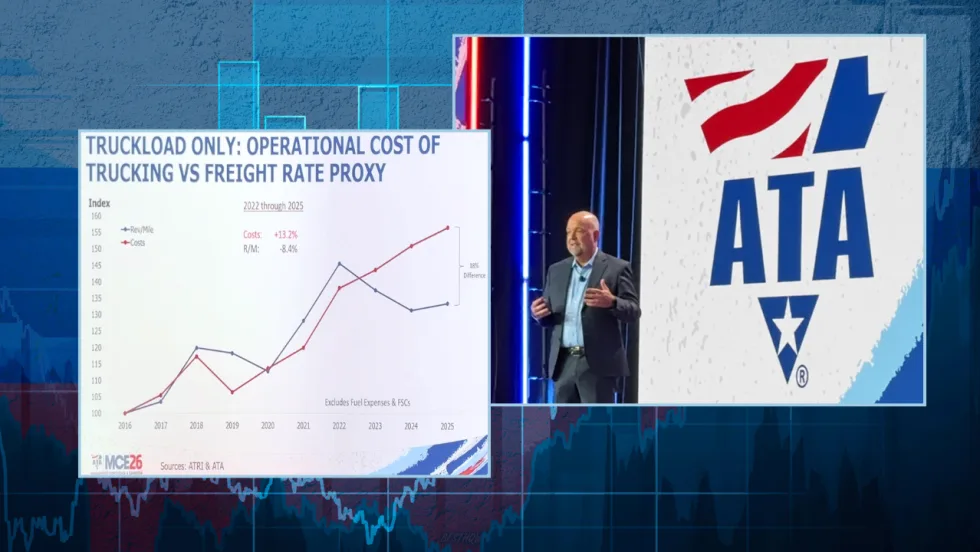
Why This Trucking Recovery Is Different
Freight demand remains sluggish, but rising costs and tougher enforcement have taken enough capacity out of the market to change the outlook for motor carriers.
Read More →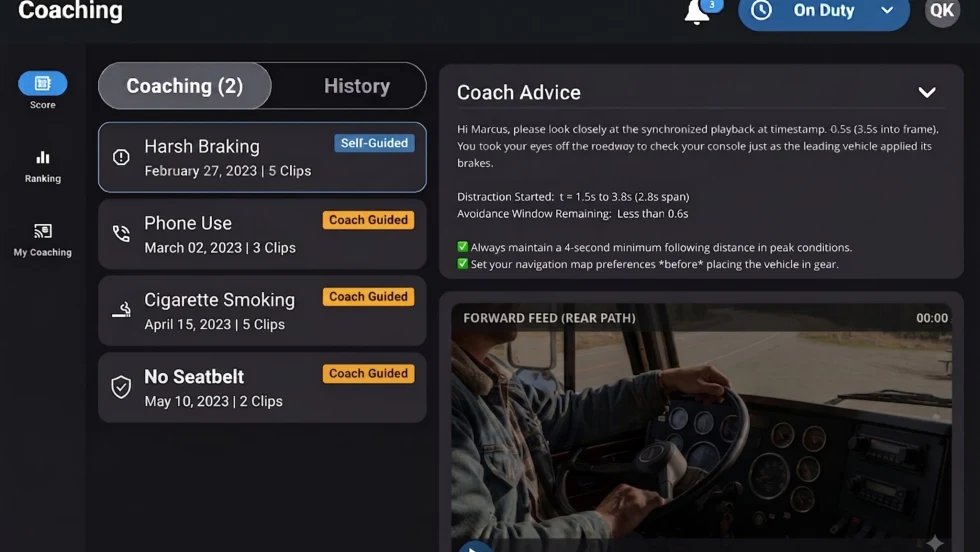
Platform Science Adds Dispatch and Safety Tools
Four additions to PS Fleet help fleets monitor loads, manage driver coaching, share truck locations and adjust video system settings.
Read More →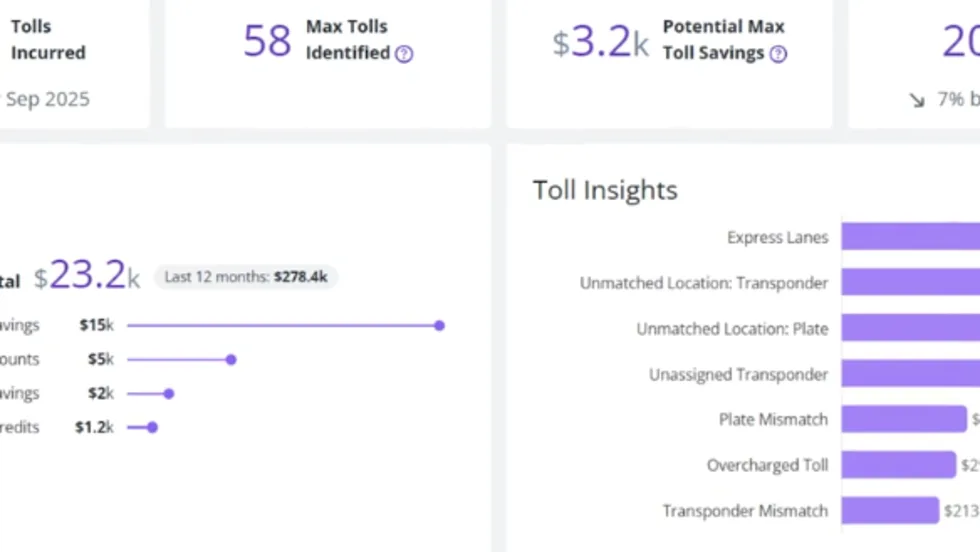
PrePass Intelligence Mines Fleet Bypass, Toll and Safety Data
PrePass Intelligence helps fleets measure bypass savings, flag potential toll overcharges, and spot suspicious transactions by combining data from separate systems.
Read More →
Motive Adds AI Agents for Fleet Operations
New tools automate follow-up on fleet data, from maintenance work orders to driver alerts, with two-way voice conversations planned for later this year.
Read More →
Can You Beat Our Trucking Trivia Challenge?
Test your truck knowledge with 19 trivia questions from Heavy Duty Trucking Exchange. Can you keep up with the fleet pros?
Read More →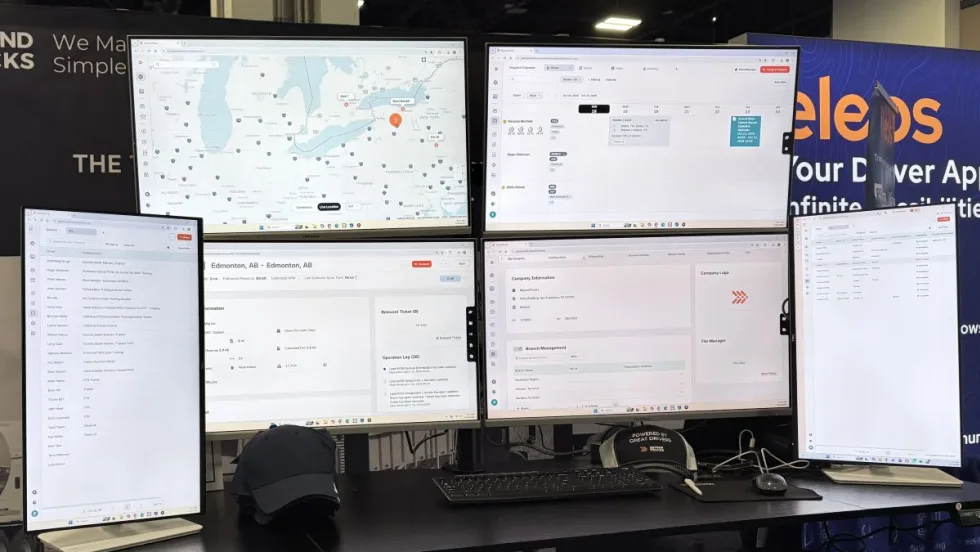
BeyondTrucks Adds Rules Checks to Dispatch
New Compatibility Engine checks driver qualifications, equipment requirements and fleet policies before loads are dispatched.
Read More →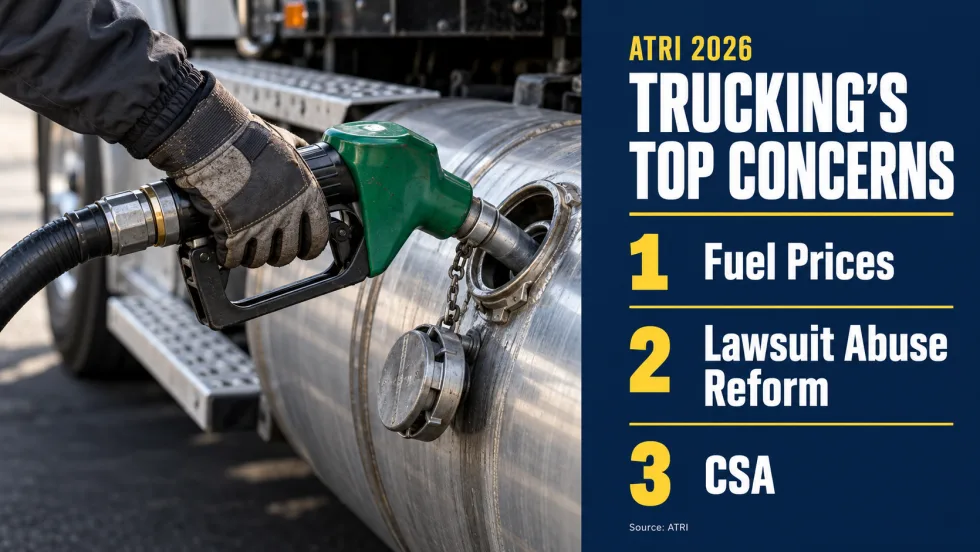
Diesel Prices Hijack Trucking’s Worry List
ATRI’s annual survey finds cautious optimism about freight, but diesel costs, litigation, and insurance continue to squeeze fleets. Drivers have different priorities on several issues.
Read More →
Nomination Deadline Extended for HDT Emerging Leaders
Just a few more days to nominate accomplished trucking fleet professionals under 40 who are making an impact and helping lead the industry forward for the HDT Emerging Leaders award. Deadline extended to October 20!
Read More →
What Will ATA’s New Leader Bring to Trucking's Table?
Incoming President and CEO Mark Colson’s record in Alabama offers clues about his priorities and approach following Chris Spear’s abrupt departure as the head of the American Trucking Associations.
Read More →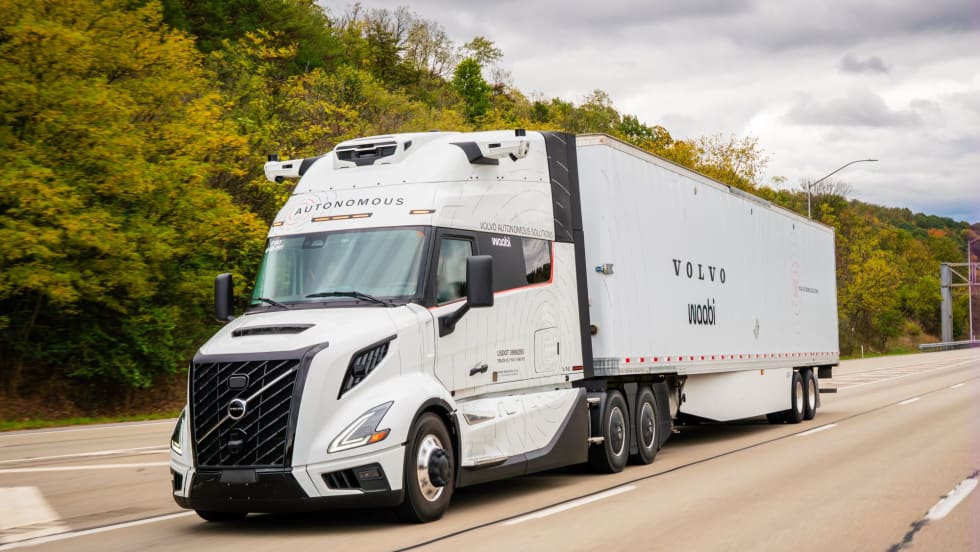
Volvo, Waabi Start Commercial Autonomous Operations in Texas
Volvo VNL Autonomous trucks, powered by the Waabi Driver, are hauling freight directly to third-party facilities for a customer in Texas.
Read More →