




Related: Suit Alleges Defective CNG Equipment Caused Truck to Burn
Kane Orders 30 Clean Diesel Kenworth T680 Trucks
Third-party logistics company Kane Is Able is expanding its fleet with the purchase of 30 Kenworth T680 trucks with the Paccar MX-13 engine.
by Staff
November 12, 2015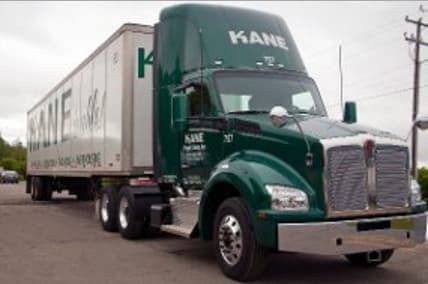
1 min to read
Third-party logistics company, Kane Is Able, is expanding its fleet with the purchase of 30 Kenworth T680 trucks with the Paccar MX-13 engine.
Kane chose the vehicles because of the engine’s design, which allows it to be reliable but also run clean. The T680 has received the EPA’s SmartWay designation and with the MX-13 and selective catalytic reduction, it boasts near-zero emissions.
“We’re making this investment because we know these trucks are more reliable for Kane and our customers, more comfortable for our drivers, cleaner for the environment, and safer for everyone,” said Lawrence Catanzaro, senior transportation director at Kane Is Able.
Earlier this year, Kane filed a lawsuit against Volvo, Cummins Westport and Agility Fuel Systems for an incident in which one of its natural-gas powered truck caught fire while on the road.
The vehicle was five months old at the time and had run only 3,000 miles before the incident. Kane was seeking the value of the six similarly equipped trucks in the fleet. Since the fire, Kane has refused to use the natural gas powered trucks.
Kane operates 25 distribution centers in major markets around the U.S., operating 150 trucks and 600 trailers in its fleet.
More Fuel Smarts

How Volvo Updated Its D13 for EPA 2027 [Watch]
Volvo’s updated D13 promises lower emissions without sacrificing performance or fuel economy. Take a closer look at what changed inside the engine in this HDT Spotlight video.
Read More →
Diesel Price Spike Shortens Payback for Natural Gas Trucks, Report Says
Energy Vision estimates fleets could recover the higher purchase price of an RNG-fueled Class 8 tractor in 1.3 to 2.8 years under current fuel-price scenarios.
Read More →
Calstart Becomes Catalyst Mobility, Reflecting Broader Focus
Calstart is now Catalyst Mobility, reflecting the nonprofit’s growing national role in clean transportation, including zero-emission trucks, infrastructure and incentive programs.
Read More →

Record Diesel Prices Squeeze Trucking Fleets
Average U.S. diesel prices have climbed to nearly $6 a gallon, surpassing the 2022 record as tight refinery capacity and Middle East disruptions keep fuel costs elevated.
Read More →
Sponsored•September 9, 2026
How Fuel Delivery Shapes Engine Performance
Fuel delivery depends on more than what happens at the injector. For fleet, maintenance and technical professionals, looking at the full path from pump to injector can provide useful context for understanding engine performance.
Read More →
East Coast Port Launches $45M Electric Truck Push
The Port Authority of New York and New Jersey announced millions in incentives for zero-emission drayage trucks, yard tractors, and new charging hubs near the port.
Read More →
California Bill Could Shed Light on Electric Truck Prices
Why do battery-electric Class 8 trucks remain so expensive? A California bill headed to Gov. Gavin Newsom would give fleets and state agencies more visibility into what manufacturers charge.
Read More →
Detroit Opens Orders for EPA 2027 Engines
Detroit isn’t starting from scratch to meet EPA 2027 diesel emissions standards. Its Gen 6 DD13 and DD15 engines keep much of today’s platform while updating the fuel and aftertreatment systems.
Read More →
Zero-Emission Truck Corridor Planned for West Coast
California, Oregon, Washington, British Columbia and Baja California are coordinating plans for truck charging and hydrogen fueling from Canada to Mexico.
Read More →
A Closer Look at Kenworth’s Electric T880E Vocational Truck [Video]
Learn more about Kenworth's T880E battery-electric vocational truck at the Paccar Technical Center, including its range, applications, upfitting considerations, and PTO options, in this HDT Spotlight video.
Read More →