




July Class 8 Truck Orders Set Record
North American Class 8 truck orders surpassed 52,000 in July, setting a new all-time record in what is typically the weakest order intake month of the year.

HDT graphic
Preliminary North America Class 8 truck orders surpassed 52,000 units in July, setting a new all-time record in what is typically the weakest order intake month of the year, according to ACT Research and FTR.
Preliminary NA Class 8 net orders rose 24% month-over-month, ACT said, to 52,400 units. FTR's numbers put it at 52,250. The previous record was set in March 2006, with 52,194.
“July’s activity was nearly triple (180%) that of July 2017,” said Steve Tam, ACT’s vice president. “The feat is made even more spectacular since July is typically the weakest order intake month of the year.”
In addition, he noted, on a seasonally adjusted basis, at 165,000, orders are also the best on record, outpacing the March 2006 order intake by 13,500 units.
FTR reported that Class 8 orders were "tremendous" for the U.S. market, with most truck makers achieving elevated levels. Orders were up 25% month over month and 187% year over year.
"Orders have been astounding in 2018," FTR said in a press release, noting that five of the highest 12 order months ever have occurred in the first seven months of this year. North American Class 8 orders for the past 12 months have now totaled 445,000 units
Medium-duty activity, however, “slowed decidedly in July,” Tam said, with preliminary NA Class 5-7 net orders falling 27% month-over-month, to 19,500 units. Longer term, however, medium-duty activity remained positive, up 18% year-over-year and 22% year-to-date. Seasonal adjustment boosts the Class 5-7 orders moderately, relegating it to the best showing in the past seven months.
Complete industry data for July, including final order numbers, will be published in mid-August.
Supply crunch pushing truck orders up
The transportation analysts at Stifel said in an email note to investors, that the orders are a result of OEMs opening their 2019 order books early and a rush to get orders in sooner to get in line amid long backlogs. "Kenny Vieth of ACT brings up a good point that much of the order strength is believed to be coming from dealers as they expect a strong 2019. And our colleague Dave Ross brings up a good point that Class 8 tractor orders have been the result of carriers expanding their fleets in response to recent wins for dedicated contracts, a service that has received greater demand as shippers seek guaranteed capacity solutions; for example, Werner Enterprises recently increased its capex guidance for this reason."
FTR's press release offered a similar analyis. "Because fleets are frustrated by the current situation and are uncertain when they can receive trucks, they are placing a large volume of orders in hopes of getting some deliveries at some point in the future. In essence, there is a truck shortage. Freight growth is robust and industry capacity is extremely tight. OEMs have been hindered because numerous parts and component suppliers have not been able to produce and deliver on time."
The supply chain issues began around March, explained Don Ake, FTR vice president of commercial vehicles. "OEMs started falling behind in deliveries to fleets in April. Deliveries did improve a bit in June, but most OEMs are still operating in catch-up mode. It is uncertain when suppliers will be able to improve delivery times and for OEMs to ship all orders on time. Realistically it may take up to a year for everyone to catch up.
"Fleets are reserving places in line, so they can get the maximum number of trucks in the future," Ake said. "It is a bizarre occurrence and it will not be resolved soon. Conditions may be abnormal, but they are abnormally good.”
Updated Aug. 3, 8:25 EDT, to add FTR and Stifel information
Related: Medium Duty Orders Rise in June, Class 8 Above 40K
More Equipment
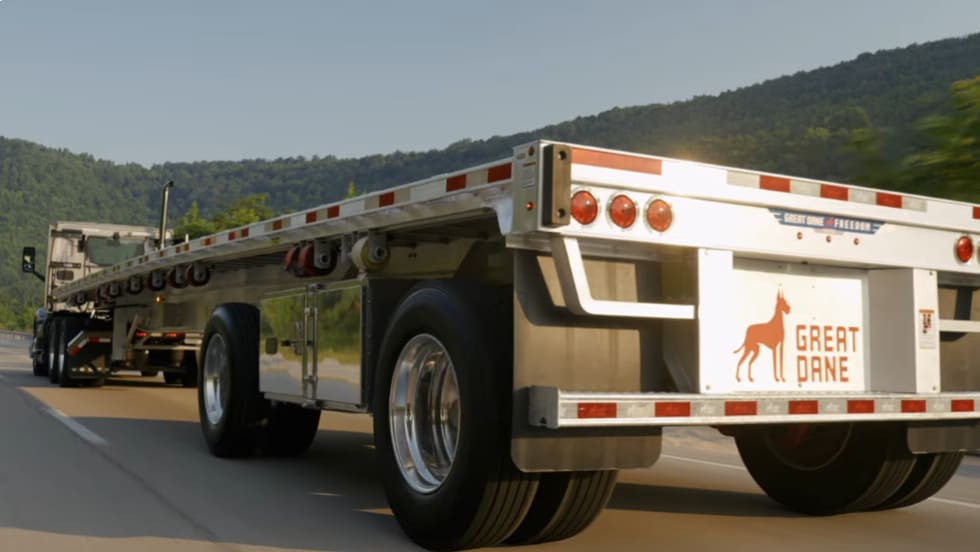
Great Dane Flatbed Trailer Offers Light Weight and Strength
Freedom Ultra is designed for a wide range of open-deck applications, including building materials, lumber, machinery, steel products, industrial freight, and coil hauling.
Read More →
What It's Like Inside this Custom 2025 Peterbilt 589?
Take a driver's-eye tour of this customized 2025 Peterbilt 589 in this video, as longtime driver Ingrid Brown explains its features, compares it to previous models, and shares plenty of personality along the way.
Read More →
Drivers Put Western Star Trucks to the Test at Star Nation Experience
Watch to get an inside look at the Western Star trucks, technology, and community behind the Star Nation Experience 2026!
Read More →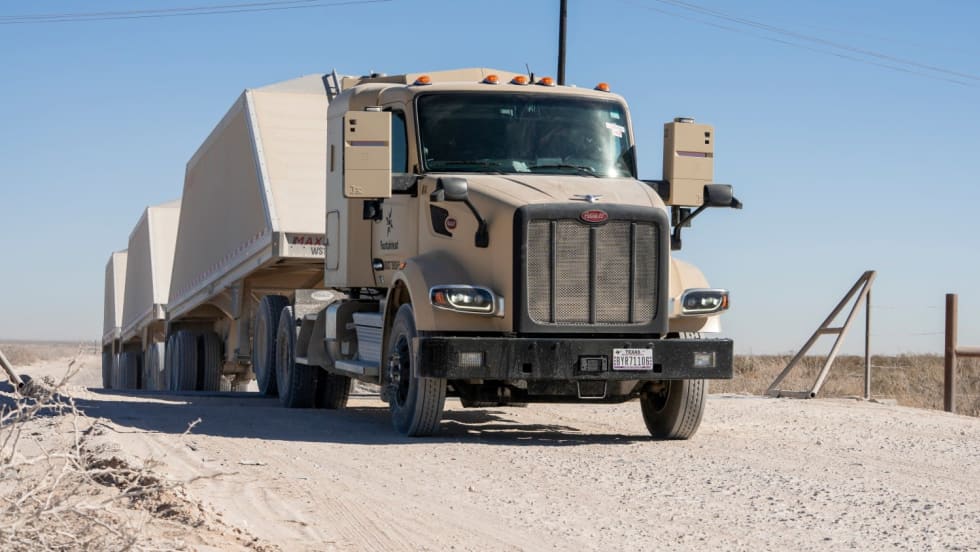
Atlas Expands Kodiak Driverless Truck Fleet in Permian Basin
Atlas Energy Solutions is expanding autonomous frac sand hauling in the Permian Basin with a second load-out location and plans for 100 driverless trucks by mid-2027.
Read More →
Putting Mack’s Command Steer to the Test
A test drive of Mack’s Command Steer active steering system evaluates how it can make truck driving easier and less tiring.
Read More →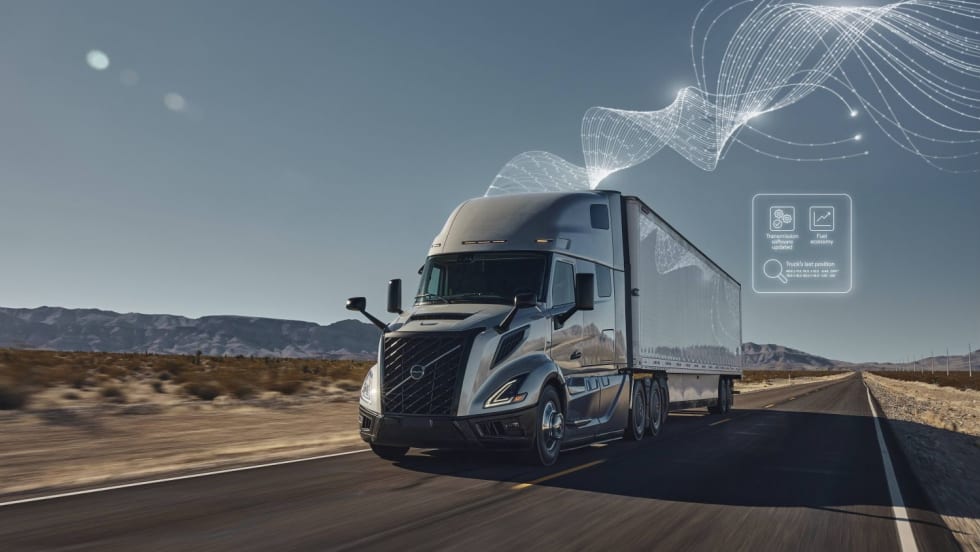
Mack, Volvo Expand DEF Derate Software Updates
The updated software gives Mack and Volvo truck owners more time to address DEF-related issues before the engine derates or the vehicle goes into reduced-speed inducement, following new EPA guidance.
Read More →
Rush, MCT Team Up to Grow Refrigeration Service Network
The joint venture will operate MCT's network of Carrier Transicold dealerships and mobile service locations, with the companies promising greater service capacity and uptime for refrigerated fleets.
Read More →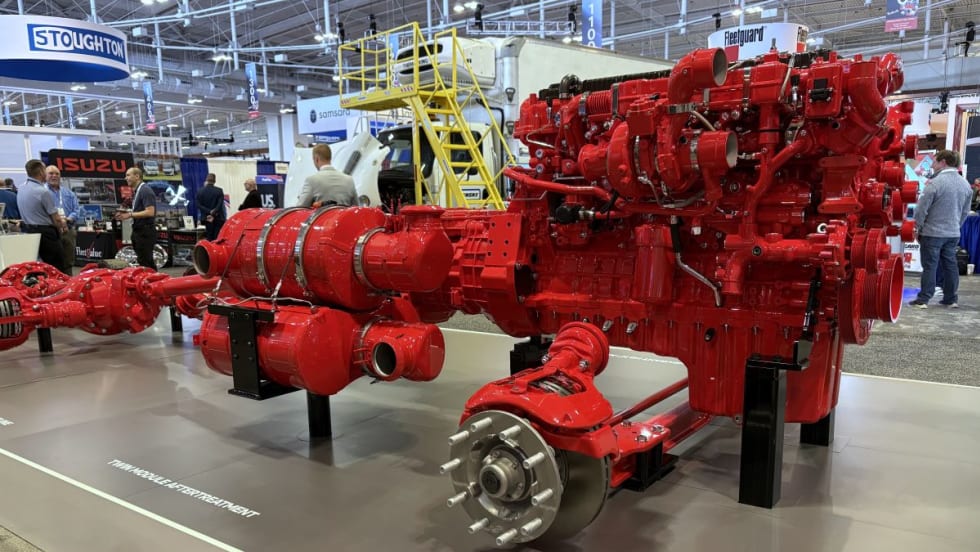
Cummins Adjusts 2027 Engine Rollout After EPA Proposal
The engine maker will gradually introduce its new Model Year 2027 diesel engines while continuing to offer current models during the transition, citing the EPA's proposed emissions rule changes.
Read More →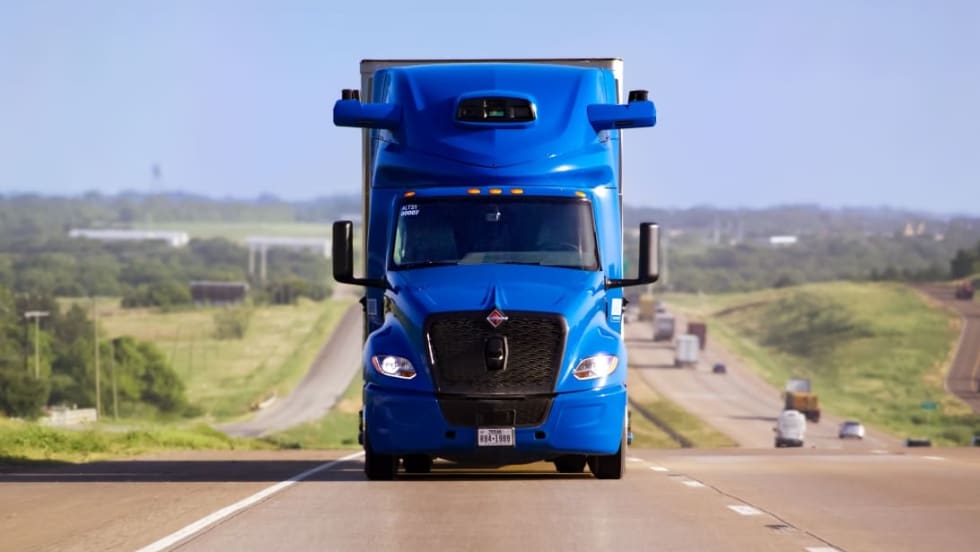
Aurora Rolls Out Next Generation of Driverless Trucks for Commercial Freight
Aurora's latest autonomous trucks it's rolling out with International feature lower-cost hardware designed for a million miles as the company expands commercial driverless freight operations across the U.S. Sun Belt.
Read More →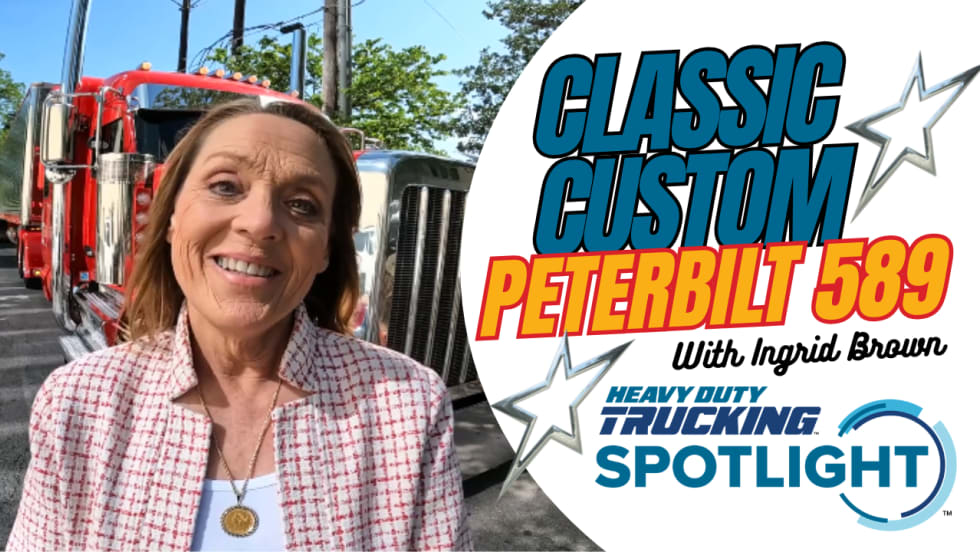
Peterbilt 589 Spotlight: A Close Look at a Custom Working Truck [Video]
There's more to this customized Peterbilt Model 589 and Great Dane refrigerated trailer than chrome and stainless (although there's plenty of that too!) A veteran driver explains the design choices and practical features behind this working truck.
Read More →