




IRS Gives Truckers Three-Month Extension; Highway Use Tax Return Due Nov. 30
The Internal Revenue Service advised truckers and other owners of heavy highway vehicles that their next federal highway use tax return, usually due Aug. 31, will instead be due on Nov. 30, 2011
The Internal Revenue Service advised truckers and other owners of heavy highway vehicles that their next federal highway use tax return, usually due Aug. 31, will instead be due on Nov. 30, 2011.
Because the highway use tax is currently scheduled to expire on Sept. 30, this extension is designed to alleviate any confusion and possible multiple filings that could result if Congress reinstates or modifies the tax after that date.
The Nov. 30 filing deadline for Form 2290, Heavy Highway Vehicle Use Tax Return, for the tax period that begins on July 1, 2011, applies to vehicles used during July, as well as those first used during August or September. Returns should not be filed and payments should not be made prior to Nov. 1.
To help truckers applying for state vehicle registration on or before Nov. 30, the new regulations require states to accept as proof of payment the stamped Schedule 1 of the Form 2290 issued by the IRS for the prior tax year, ending on June 30, 2011. Under federal law, state governments are required to receive proof of payment of the federal highway use tax as a condition of vehicle registration. Normally, after a taxpayer files the return and pays the tax, the Schedule 1 is stamped by the IRS and returned to filers for this purpose. A state normally may accept a prior year's stamped Schedule 1 as a substitute proof of payment only through Sept. 30.
For those acquiring and registering a new or used vehicle during the July-to-November period, the new regulations require a state to register the vehicle, without proof that the highway use tax was paid, if the person registering the vehicle presents a copy of the bill of sale or similar document showing that the owner purchased the vehicle within the previous 150 days.
In general, the highway use tax applies to trucks, truck tractors and buses with a gross taxable weight of 55,000 pounds or more. Ordinarily, vans, pick-ups and panel trucks are not taxable because they fall below the 55,000-pound threshold.
For trucks and other taxable vehicles in use during July, the Form 2290 and payment are, under normal circumstances, due on Aug. 31. The tax of up to $550 per vehicle is based on weight, and a variety of special rules apply to vehicles with minimal road use, logging or agricultural vehicles, vehicles transferred during the year and those first used on the road after July.
More Drivers

New Independent Contractor Rule Gives Trucking More Clarity
The Labor Department is once again changing how it determines who's an independent contractor. This time, the rule includes specific examples addressing trucking safety requirements, CDLs, and lease-purchase agreements.

Catching Driver Fatigue is One Thing. What You Do Next Matters Just as Much
Fleets are getting better at detecting driver drowsiness. Few have figured out what should happen next, and that gap is where the real risk still lives.

133 ELDs Revoked as ATA Pushes Certification Reform
FMCSA just removed a record number of electronic logging devices from its registry. ATA says it's time to rethink how ELDs get approved in the first place.


CVSA Sets 2027 International Roadcheck Dates
The annual 72-hour truck inspection blitz will take place May 11–13 across North America. Here's what fleets can expect and what inspectors found during the 2026 event.

FDA Eases Path for Oral-Fluid Testing
Federal actions could advance oral-fluid drug testing for truck drivers, but lab certification delays and marijuana rescheduling questions remain.

Why Hiring Truck Drivers Is Getting Harder
Higher recruiting costs, a shrinking driver pool, and renewed pay competition are raising the stakes for fleets heading into 2027.
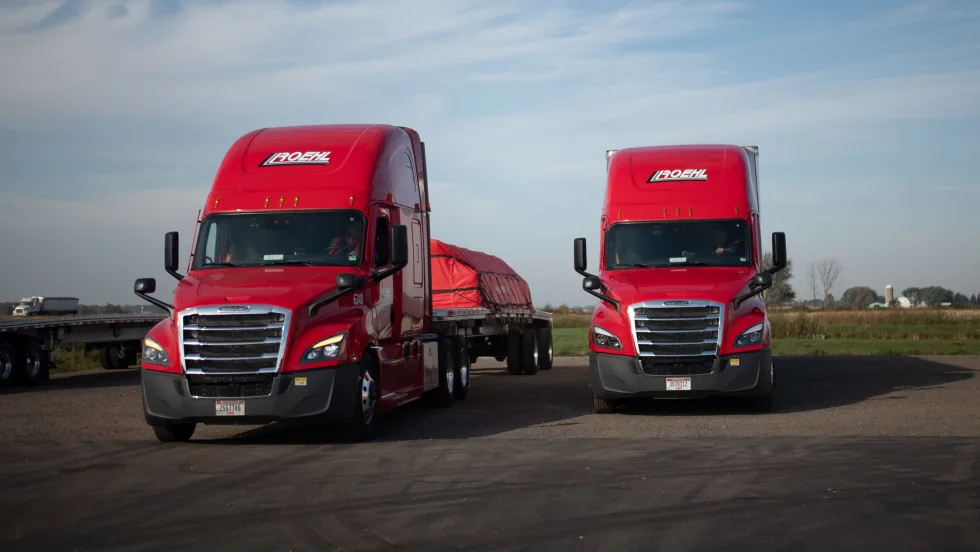
Roehl Offers Truck Drivers $10,000 Retention Incentive
Payments begin after the first load and continue in mileage-based installments for eligible experienced drivers joining the fleet.
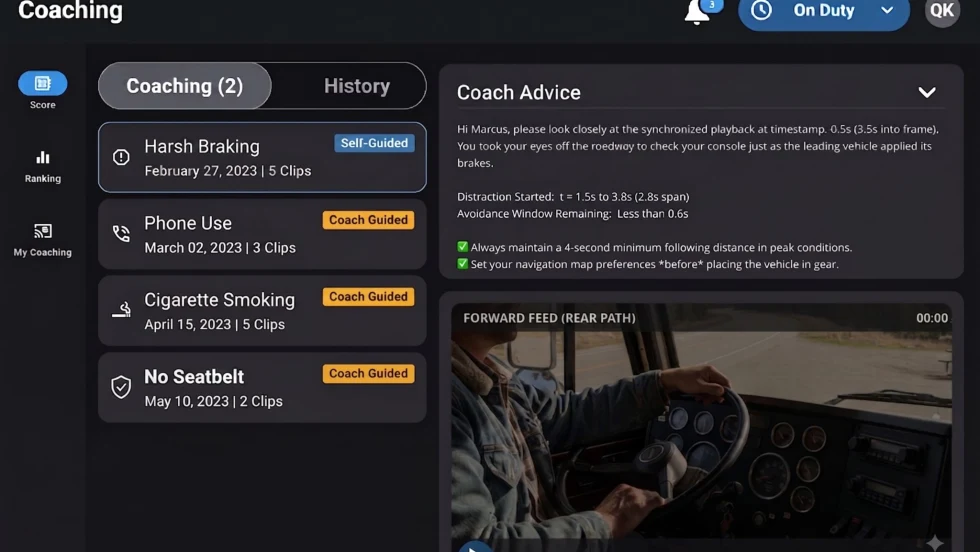
Platform Science Adds Dispatch and Safety Tools
Four additions to PS Fleet help fleets monitor loads, manage driver coaching, share truck locations and adjust video system settings.

When Language Stops the Truck: The Return of ELP Out-of-Service Orders
English language proficiency rules for commercial drivers aren’t new, but renewed out-of-service enforcement has raised the stakes. Here’s what carriers need to know before a driver reaches a roadside inspection.

Samsara Launches Custom AI Agent Builder
Agent Studio lets fleets create AI tools for hours-of-service monitoring, reporting and driver support, including agents that communicate by phone.