




Independence Day to Bring Increased Traffic, Cargo Theft Risk
More Americans than ever will be traveling, and a security firm warns that holiday weekends are notorious risks for for manufacturers and logistics providers because of the high numbers of unattended shipments.
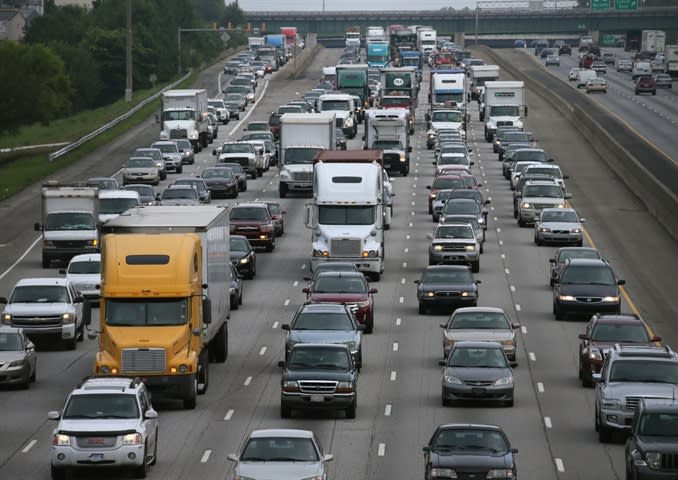
Photo: U.S. Department of Transportation
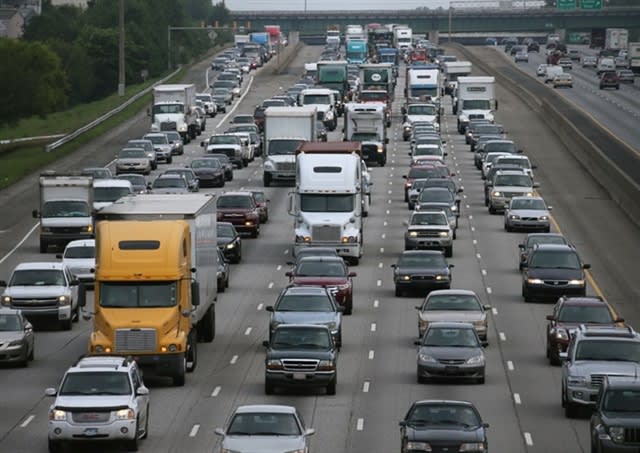
Photo: U.S. Department of Transportation
This Independence Day could see the most traveled 4th of July holiday weekend ever, according to the American Automobile Association, which expects a record-breaking 44.2 million Americans to travel over 50 miles from home this year.
The number is 1.25 million higher than the number of travelers in 2016, a 2.9% increase. The vast majority of travelers, 37.5 million Americans, will drive to their holiday destinations this year, while 3.44 million travelers will fly -- an increase of 4.6% over last year.
“Combined, strong employment, rising incomes and higher consumer confidence bode well for the travel industry, in particular, this Independence Day weekend,” said Bill Sutherland, AAA senior vice president for travel and publishing.
All this traffic contributes to the fact that the 4th of July is officially the most dangerous day to drive in the U.S., according to a study by Geotab, a fleet management company. Over a 10-year period, Independence Day averaged 119 deadly crashes with a fatal crash rate of 14.9. The 4th of July also had the highest percentage of fatal crashes involving alcohol or drugs, with an average of 47%.
Geotab produced an interactive graphic which shows which states have the highest risk of a fatal crash in a year, as well as which day is the most dangerous in each state. The map is accessible here.
“The future of connected vehicle data will enable Geotab to produce more services to help improve road safety and vehicle operating efficiency," said Colin Sutherland, executive vice president.
The extended holiday weekend can also bring increased cargo theft. SensiGuard Supply Chain Intelligence Center warns that holiday weekends are a notoriously high risk for manufacturers and logistics-related organizations because of the high numbers of unattended shipments.
Organized cargo theft rings are often more active during these time periods. This year’s 4th of July falling on a Tuesday means that many facilities will be closed on Monday, extending the weekend and resulting in longer stage times and lower security staffing.
SensiGuard found that in 2015-2016, the average loss value over Independence Day weekend was $365,453, which is 120% higher than the average loss value over the last two calendar years. The company recommends that logistics and security personnel ensure that security protocols are up-to-date and in line with industry best practices for both in-transit and warehouse operations.
SensiGuard strongly suggests confirming in advance that receiver’s hours of operation are consistent with scheduled delivery times. Covert GPS tracking and active monitoring of high-value shipments are highly recommended, as they have proven to be the most effective protocols to both mitigate in-transit theft and facilitate successful recovery of stolen product.
Corrected 1 p.m. EDT June 29 to correct the author of the interactive "Most Dangerous Day to Drive" map. We apologize for any confusion.
More Fleet Management

Color Match Smarter: Tools That Restore & Perform
For fleet managers and collision repair professionals keeping heavy-duty trucks on the road, getting the color right the first time isn't just about appearance — it's about efficiency, turnaround time, and bottom-line results. Discover how today's digital color tools are transforming the repair process from guesswork to precision.
Read More →
FMCSA Pauses Biennial-Update Enforcement Amid Motus Transition
Carriers whose updates were due on or after June 1 have more time, while FMCSA works to stabilize its new registration system and warns of phishing sites impersonating its new carrier registration system, Motus.
Read More →
2026 Blueprint for Countering Smarter Supply Chain Theft
Cargo theft is no longer just the cost of doing business. It's a multi-billion-dollar criminal enterprise exploiting vulnerabilities across your fleet, drivers, and supply chain.
Read More →


How Telematics Improves Visibility, Control, and Performance in Refrigerated Fleets
Explore how telematics help refrigerated fleets improve visibility, uptime, efficiency, compliance, and cargo protection across connected cold chain operations.
Read More →
What the U.S.-Canada Trade War Means for Trucking
Escalating U.S.-Canada tariffs could disrupt cross-border freight, reduce truck volumes, raise costs, and create new uncertainty for carriers on both sides of the border.
Read More →
What Are Trucking’s Top Concerns for 2026?
The American Transportation Research Institute wants to know what's worrying trucking fleet managers, drivers, and other stakeholders in its annual Industry Issues survey.
Read More →
American Trucking Associations Looks for a New Leader
ATA President and CEO Chris Spear abruptly left his job at the association on August 21, at a pivotal time for the trucking industry.
Read More →
Public Wi-Fi Cybersecurity Risks: How Truck Drivers and Fleets Can Protect Their Data
Public Wi-Fi can expose truck drivers and fleets to credential theft, malware, and other cyber threats. Here’s how to reduce the risk on the road.
Read More →
For Nicky Cupp, Fleet Innovation Starts With Frustration
HDT Truck Fleet Innovator Nicky Cupp turns everyday pain points at Fraley & Schilling into opportunities for better technology and smarter processes.
Read More →
Adam Buttgenbach’s Approach to Electric Trucks: Start With Where They Fit
HDT Truck Fleet Innovator Adam Buttgenbach helped PepsiCo build one of North America’s largest EV fleets by focusing on where electric trucks make operational sense.
Read More →