




Increased Capacity Hurts Truckload Rates, Low Fuel Prices Hit Intermodal
Truckload rates grew at a weaker pace for the fifth consecutive month in January, according to newly released numbers, while intermodal rates are expected to continue a drop that started a year ago.

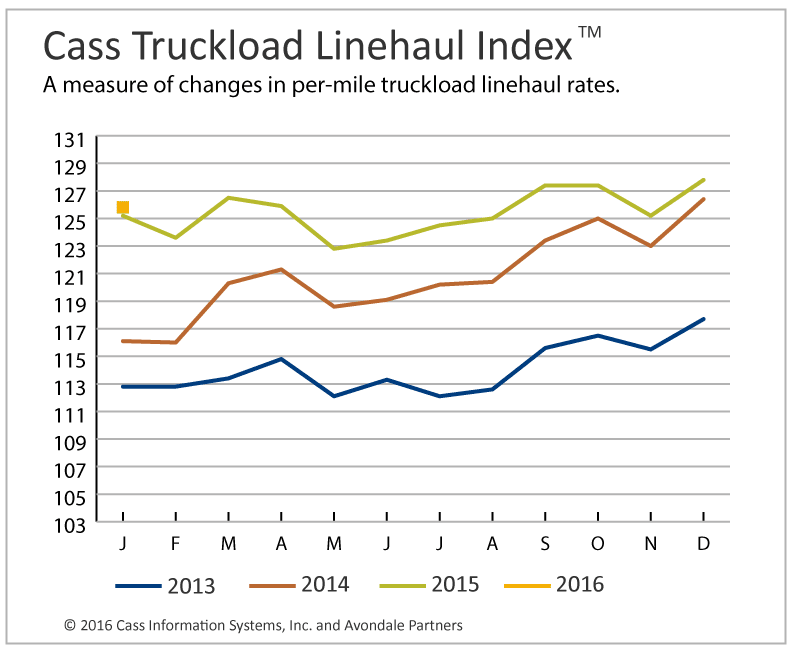

Truckload rates grew at a weaker pace for the fifth consecutive month in January, according to newly released numbers, while intermodal rates are expected to continue a drop that started a year ago.
The Cass Truckload Linehaul Index increased only 0.4% from the same time a year earlier to a reading of 125.8. This follows smaller increases that began in September when the year earlier gain was 3.2%, falling to 1.9% in October, 1.6% in November and 1.1% in December.
This latest gauge is also down 1.6% in January from the month before, following a 2.1% improvement in December from November.
According to analysts at the investment banking firm Avondale Partners, which provides analysis of the report, softening demand and increasing capacity are posing downside risks to their previously forecasted 1% to 3% increases this year.
Avondale also cited other factors providing downward pricing pressure, including carrier bankruptcies at historic lows, truck counts up by single digits and the relaxation of the 34-hour restart rule for drivers, which increased truck capacity.
The index is an indicator of market fluctuations in per-mile truckload pricing that isolates the linehaul component of full truckload costs from other components, such as fuel and accessorials, providing a look at trends in baseline truckload prices.

Meantime, a gauge of another freight transport sector looks worse, with the Cass Intermodal Price Index falling another 2.2% in January from the same time in 2015, after declines of 3.8% in December and 2.4% in November.
Despite this, its reading of 129.8 is the best since October, with January seeing a 2% increase from the month before following a 1.5% improvement in December from November.
“We expect intermodal rates will continue to decline in 2016 as the dramatic drop in diesel prices … takes its toll on U.S. domestic demand,” said Avondale. "[Consequently] the around 35 cents per mile decline in fuel surcharges collected by truckers in the last year and a half has to challenge demand and pricing power for domestic intermodal."
The index has posted a year-over-year decline every month since January 2015, when it was at 132.8
The Cass Intermodal Price Index is an indicator of market fluctuations in per-mile U.S. domestic intermodal costs that includes all costs associated with the move, such as linehaul, fuel and accessorials.
Data within both measures is derived from actual freight invoices paid by freight payment processor Cass Information Systems for its clients, which totaled over $26 billion in 2014.
More Fleet Management
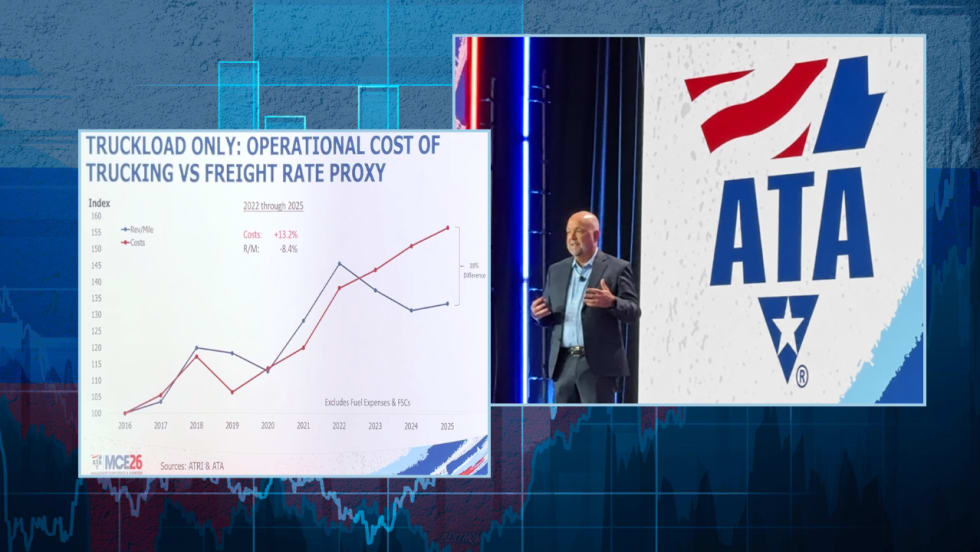
Why This Trucking Recovery Is Different
Freight demand remains sluggish, but rising costs and tougher enforcement have taken enough capacity out of the market to change the outlook for motor carriers.
Read More →
Platform Science Adds Dispatch and Safety Tools
Four additions to PS Fleet help fleets monitor loads, manage driver coaching, share truck locations and adjust video system settings.
Read More →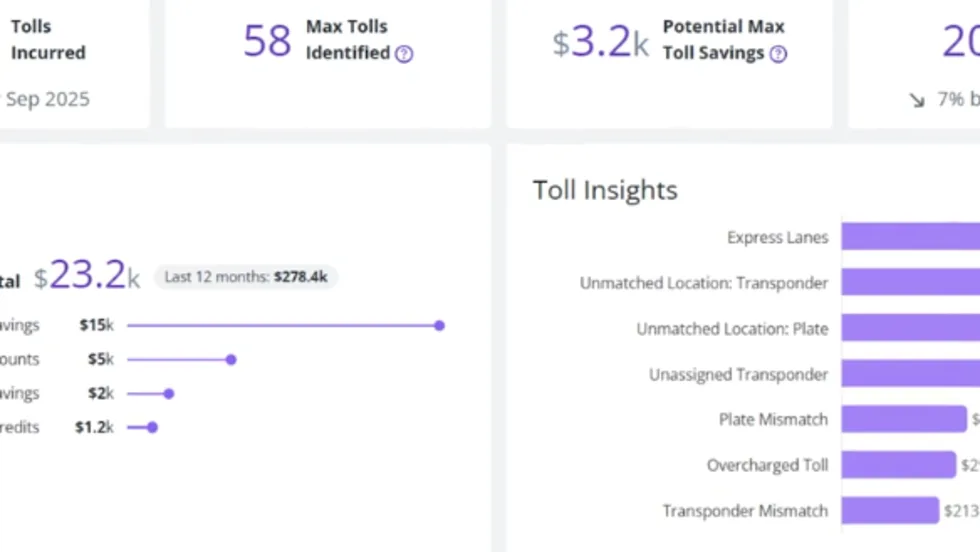
PrePass Intelligence Mines Fleet Bypass, Toll and Safety Data
PrePass Intelligence helps fleets measure bypass savings, flag potential toll overcharges, and spot suspicious transactions by combining data from separate systems.
Read More →
Motive Adds AI Agents for Fleet Operations
New tools automate follow-up on fleet data, from maintenance work orders to driver alerts, with two-way voice conversations planned for later this year.
Read More →
Can You Beat Our Trucking Trivia Challenge?
Test your truck knowledge with 19 trivia questions from Heavy Duty Trucking Exchange. Can you keep up with the fleet pros?
Read More →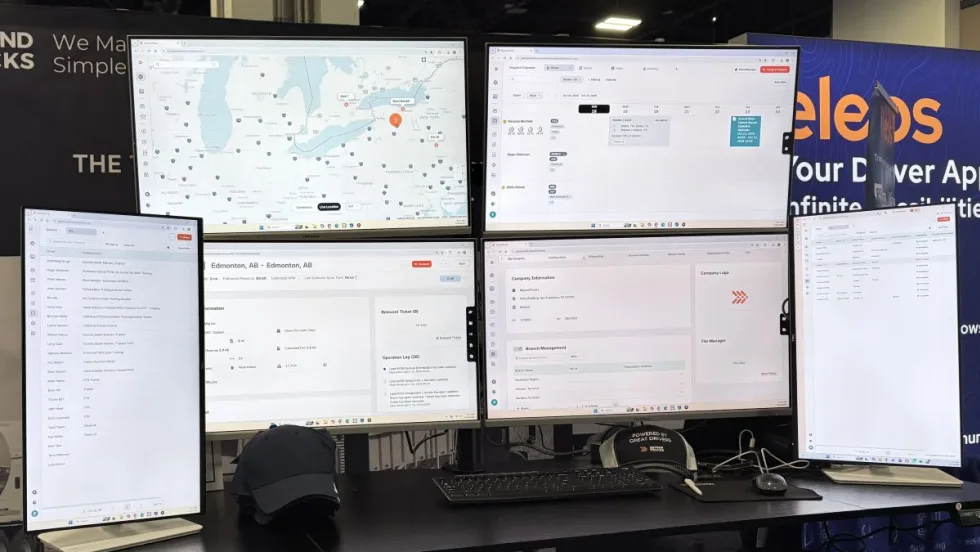
BeyondTrucks Adds Rules Checks to Dispatch
New Compatibility Engine checks driver qualifications, equipment requirements and fleet policies before loads are dispatched.
Read More →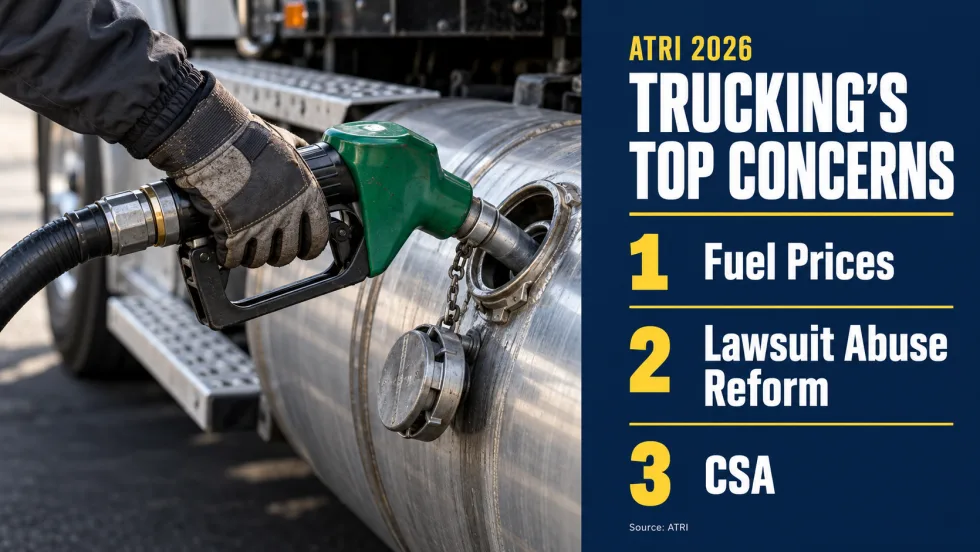
Diesel Prices Hijack Trucking’s Worry List
ATRI’s annual survey finds cautious optimism about freight, but diesel costs, litigation, and insurance continue to squeeze fleets. Drivers have different priorities on several issues.
Read More →
Nomination Deadline Extended for HDT Emerging Leaders
Just a few more days to nominate accomplished trucking fleet professionals under 40 who are making an impact and helping lead the industry forward for the HDT Emerging Leaders award. Deadline extended to October 20!
Read More →
What Will ATA’s New Leader Bring to Trucking's Table?
Incoming President and CEO Mark Colson’s record in Alabama offers clues about his priorities and approach following Chris Spear’s abrupt departure as the head of the American Trucking Associations.
Read More →
Volvo, Waabi Start Commercial Autonomous Operations in Texas
Volvo VNL Autonomous trucks, powered by the Waabi Driver, are hauling freight directly to third-party facilities for a customer in Texas.
Read More →