




I-680 in Iowa Severely Damaged by Floodwaters; Repairs to Take Months
As floodwaters recede from highways in Iowa, epic damage has been revealed along some stretches of roadway. "I've never seen anything like it," said John Haas, director of Statewide Emergency Operations with the Iowa Department of Transportation. "I don't think any of engineers have either.
As floodwaters recede from highways in Iowa, epic damage has been revealed along some stretches of roadway.
"I've never seen anything like it," said John Haas, director of Statewide Emergency Operations with the Iowa Department of Transportation. "I don't think any of engineers have either."
The 3-mile stretch on I-680 at the I-29 interchange down to the Missouri River has been nearly obliterated. Pavement is cracked and buckled into large chunks, giving the look of an intentional demolition project.
The impressively bad damage was caused not just by submersion for several weeks, but aldo by the continuous flow of water. The force of the river washed out any and all loose sediment, getting into cracks and leaving the pavement without support.
According to the Iowa DOT, it is too early to assess the cost of repairs, but early estimates indicate the most intensely damaged sections won't reopen until deep into next year. Many roads are still covered in water, which means more damage is likely to be discovered.
At this point, road closures remain unchanged. Closures include I-29 from mile 55 to mile 71, and I-680 miles zero to three. Everything south of U.S. 34 is closed to the Missouri state line.
More Drivers

Platform Science Adds Dispatch and Safety Tools
Four additions to PS Fleet help fleets monitor loads, manage driver coaching, share truck locations and adjust video system settings.
Read More →
When Language Stops the Truck: The Return of ELP Out-of-Service Orders
English language proficiency rules for commercial drivers aren’t new, but renewed out-of-service enforcement has raised the stakes. Here’s what carriers need to know before a driver reaches a roadside inspection.
Read More →
Samsara Launches Custom AI Agent Builder
Agent Studio lets fleets create AI tools for hours-of-service monitoring, reporting and driver support, including agents that communicate by phone.
Read More →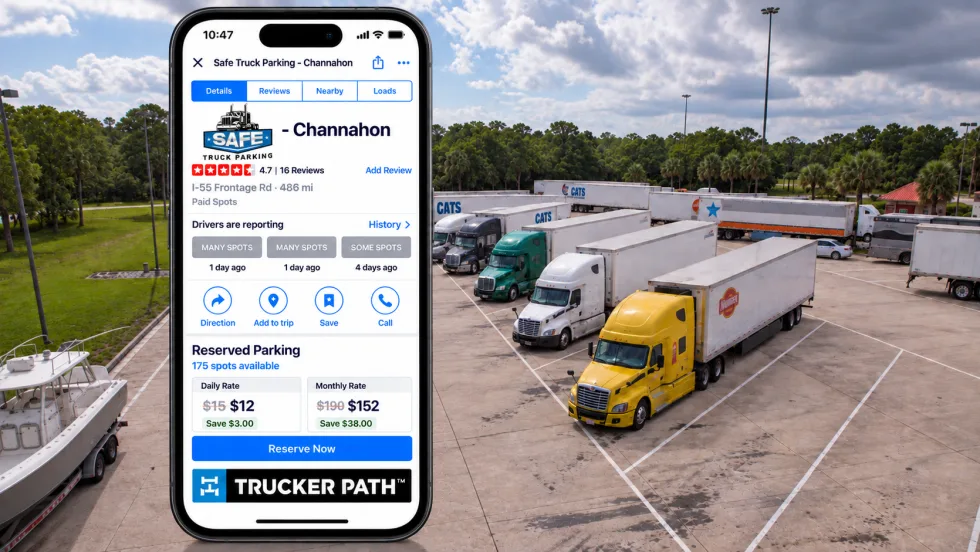
Trucker Path Expands Reserved Parking Network
Trucker Path has added close to 6,000 more truck parking spaces to its Trucker Path Reserved Parking Network with the addition of Safe Truck Parking.
Read More →
EEOC Sues Texas Trucking Company Over Driver Age Limits
The agency says Trancasa USA rejected applicants over 65 and applied tougher driving-record standards to those over 60.
Read More →
Nussbaum, Roehl Announce Second Driver Pay Increase This Year
This year has seen a swath of major truck driver pay increases as freight capacity has tightened.
Read More →
From One Generation to the Next: How Mentorship Builds Safer Truck Drivers
After three decades in trucking, Harold Perry shares what he's learned about driver safety, mentorship, and helping the next generation build confidence behind the wheel.
Read More →
Truck Drivers Need More Than Another Alert
Fleets have more visibility into truck health, safety events, and driver activity than ever. The next challenge is turning all that information into useful guidance for the person who has to decide what to do next.
Read More →
FMCSA Removes 110 Truck Driver Training Schools from Certified ELDT List
Federal regulators also are targeting more than 160 additional training providers and launching a nationwide audit of third-party CDL skills testers as part of a broader crackdown on trucking fraud.
Read More →
Hours of Service Pilot Programs: FMCSA Readies for 2027 Rollout
Two pilot programs could eventually reshape hours-of-service rules, giving truck drivers options to pause their 14-hour clock or use longer split sleeper rest periods.
Read More →