




Hub Converting California O-Os to Company Drivers Following Lawsuits
UPDATED -- Due to litigation and upcoming settlements, one trucking operation is abandoning its owner-operator business model in California.
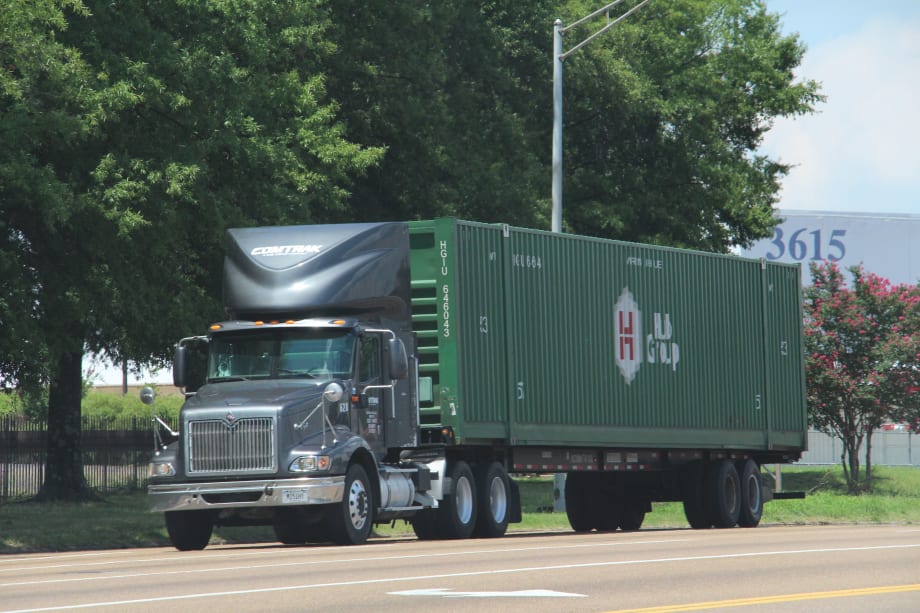
Photo: Evan Lockridge
Photo: Evan Lockridge
UPDATED -- Due to litigation and upcoming settlements, one trucking operation is abandoning its owner-operator business model in California.
Hub Group Trucking, the drayage operation of the logistics provider The Hub Group, and formerly known as Comtrak Logistics, says it will convert these 350 truckers to company drivers in the next two weeks, according to a statement sent to customers and obtained by the Journal of Commerce for a story published Tuesday morning.
“It appears that the legal climate in California is becoming unfavorable to the common trucking industry practice of using independent truck drivers,” said Dan Burke, president of Hub Group Trucking, in the statement.
Another, and far more likely reason for the change in driver classification is due lawsuits, including one that sought class action certification on behalf of present and former California-based truck drivers for Hub Group Trucking, who were classified as independent contractors from January 2009 to the present.
The complaint alleges Hub Group Trucking misclassified these truck drivers as independent contractors rather than employees. A second complaint alleging substantially similar claims was filed in July, but the company says it has not been served with a copy of that complaint.
Both lawsuits were disclosed by the Hub Group in a disclosure filed later on Tuesday with the Securities and Exchange Commission.
“Because lawsuits are expensive, time-consuming and could interrupt our business operations, we have decided to make settlement offers to individual drivers with respect to the claims alleged in the lawsuits, without admitting liability,” Hub Group said in the filings. “The company estimates that the total settlement amount, if all drivers accept the offers, is approximately $9.5 million. To date, a substantial number of the independent contractors have decided to accept the settlement offer.”
This change in status for Hub’s California based drivers also comes as there are an increasing number of lawsuits against other companies in the state and elsewhere, claiming some truckers are wrongly classified as independent contractors/owner operators by trucking fleets and should instead be regarded as company drivers.
Also, a federal court in late August ruled two classes of drivers working for FedEx Ground were misclassified as independent contractors, a decision that could cost the company millions of dollars.
Hub Group Trucking has reportedly already met with drivers about the change in status, while Burke defended the company’s classification of its drivers as independent contractors, adding, “To avoid potential issues with the usage of owner/operators as the California legal environment changes and because we need to manage our business for the long-term, we decided to change our model and build around employee drivers.”
Update adds SEC disclosure information.
More Drivers

From One Generation to the Next: How Mentorship Builds Safer Truck Drivers
After three decades in trucking, Harold Perry shares what he's learned about driver safety, mentorship, and helping the next generation build confidence behind the wheel.
Read More →
Truck Drivers Need More Than Another Alert
Fleets have more visibility into truck health, safety events, and driver activity than ever. The next challenge is turning all that information into useful guidance for the person who has to decide what to do next.
Read More →
FMCSA Removes 110 Truck Driver Training Schools from Certified ELDT List
Federal regulators also are targeting more than 160 additional training providers and launching a nationwide audit of third-party CDL skills testers as part of a broader crackdown on trucking fraud.
Read More →
Hours of Service Pilot Programs: FMCSA Readies for 2027 Rollout
Two pilot programs could eventually reshape hours-of-service rules, giving truck drivers options to pause their 14-hour clock or use longer split sleeper rest periods.
Read More →
Medical Cards, English Proficiency Reshape Roadcheck Violations
Medical-card violations jumped to the top of the driver out-of-service list during CVSA’s 2026 International Roadcheck, while English-language proficiency violations appeared among the leading violations for the first time.
Read More →
Driver Trust Can Make or Break the Success of Fleet Safety Technology
New Teletrac Navman research suggests that onboarding, transparency about driver data, and positive feedback can play a significant role in how commercial drivers respond to safety and coaching technology.
Read More →
EEOC Sues KLLM Over Alleged Sex Discrimination in Driver Training
KLLM is facing a federal sex-discrimination lawsuit over policies the EEOC alleges put female truck driver trainees at a disadvantage.
Read More →
FMCSA Moves to Codify English Language Requirements for Commercial Drivers
By changing regulations on English-language proficiency requirements for commercial drivers, rather than relying on a guidance memo, the FMCSA said future administrations won't be able to walk back the Trump administration's stricter enforcement with just a memo.
Read More →
Drivers Put Western Star Trucks to the Test at Star Nation Experience
Watch to get an inside look at the Western Star trucks, technology, and community behind the Star Nation Experience 2026!
Read More →
Trump Administration Looks to Put More Veterans Behind the Wheel
The Freedom Haulers program pulls together existing and expanded programs at several federal agencies to recruit veterans to drive commercial heavy-duty trucks and cut the red tape for them to get a CDL, training, and employment.
Read More →