




A highly heralded intersection safety program pioneered by AAA Michigan and its partners is featured in the July issue of Reader's Digest.
According to the article, more than 24,000 Americans died between 1998 and 2001 in car crashes in which neither driver error nor impairment were cited as factors, suggesting that the roads themselves contributed to the crashes.
More than one-third of these deaths occurred at intersections, where outdated traffic signals, confusing lanes, blind spots or inadequate signage contributed to the crash.
As one solution, the article cites AAA Michigan's Road Improvement Demonstration Program (RIDP), a public/private partnership. Developed as an innovative intersection improvement strategy, the RIDP combines public and private dollars, engineering expertise and multi-jurisdictional cooperation to contribute toward traffic safety enhancements at targeted high-crash locations in the cities of Detroit and Grand Rapids.
Since this first-of-its-kind demonstration program was launched in 1996, project partners have completed safety enhancements such as re-timed traffic signals, larger signal heads, dedicated left-turn lanes and all-red intervals to 131 locations in Detroit and 31 in Grand Rapids.
AAA Michigan has allocated $2 million for this multi-year project, which has already reduced crashes 26% and injury crashes by 46% at 60 evaluated high-risk intersections within each of these cities.
Baby-boomers and older drivers tend to be the most vulnerable in driving at busy intersections because of their diminished vision and slower reaction times.
It is estimated that by 2020 there will be more than 40 million licensed drivers over the age of 65. For this reason, AAA has launched a nationwide initiative called Lifelong Safe Mobility that will address the three most important elements of traffic safety -- the road, the vehicle and the driver.
This fall, Congress is scheduled to reauthorize the Transportation Equity Act for the 21st Century, also known as TEA-21. Since TEA-21 allocates money for traffic safety, AAA has a vested interest in how those funds are allocated.
To help focus Congressional attention on funding that will lead to real-world traffic safety solutions, AAA will publish a list -- Ten Ways to Make Roads Safer, based on AAA Michigan's RIDP, as well as guidelines from the Federal Highway Administration (FHWA).
Traffic deaths are consistently one of the top 10 causes of death for all ages, rivaling cancer, heart disease and HIV. For children, it is the leading cause of death and, for seniors, motor vehicle death rates are rising with alarming speed. For this reason, AAA views traffic safety as a public health issue.
And one of the keys to improving traffic safety, says AAA, is to make the roads themselves safer.
How Bad Roads Kill Good Drivers
A highly heralded intersection safety program pioneered by AAA Michigan and its partners is featured in the July issue of Reader's Digest
More Safety & Compliance
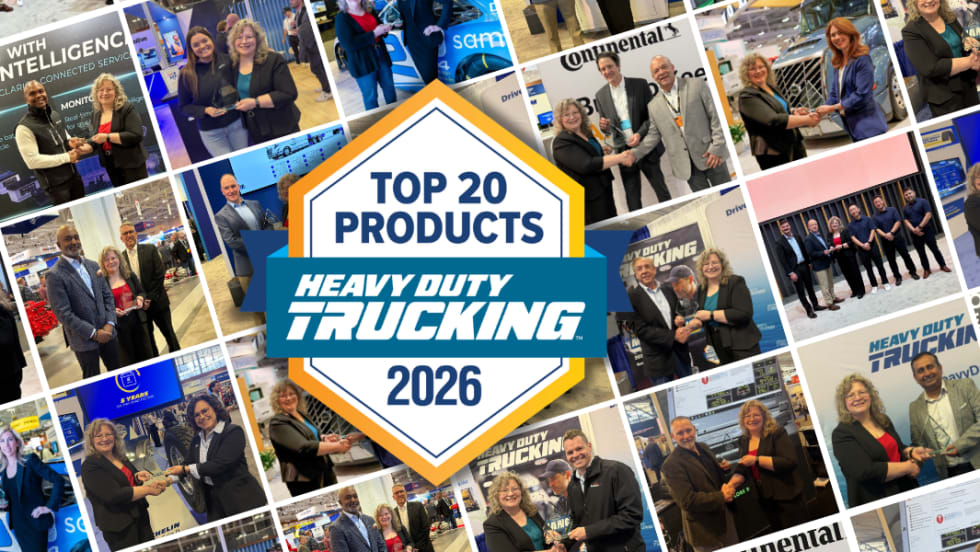
HDT Honors the Best New Products of 2025 at TMC [Photos]
Heavy Duty Trucking's Top 20 Products awards recognize the best new products and technologies. Check out the award presentations at the 2026 Technology & Maintenance Council annual meeting.
Read More →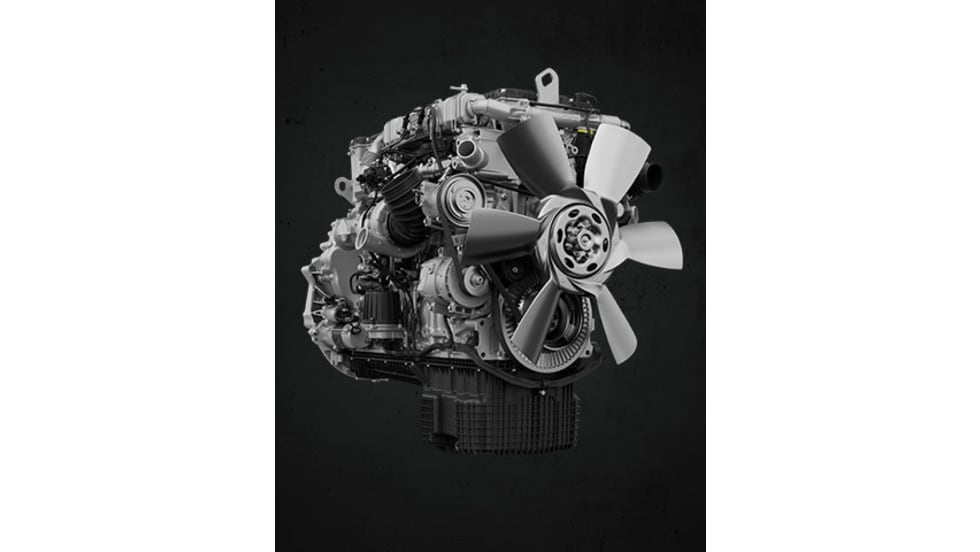
Detroit Engines: Trusted Performance, Built for What's Next
The Detroit® Gen 6 engine platform proves that real progress doesn’t require a complete redesign. Built on 20 years of trusted technology, these engines are designed for efficiency, stronger performance, and greater reliability than before. And they do it all while complying with 2027 EPA standards on every mile.
Read More →
Aperia Expands Halo Platform with Steer-Tire Inflation System, Fifth-Wheel Integration
Aperia Technologies introduced a new automatic tire inflation system for steer axles and a partnership with Fontaine Fifth Wheel to integrate coupling status into its Halo Connect platform.
Read More →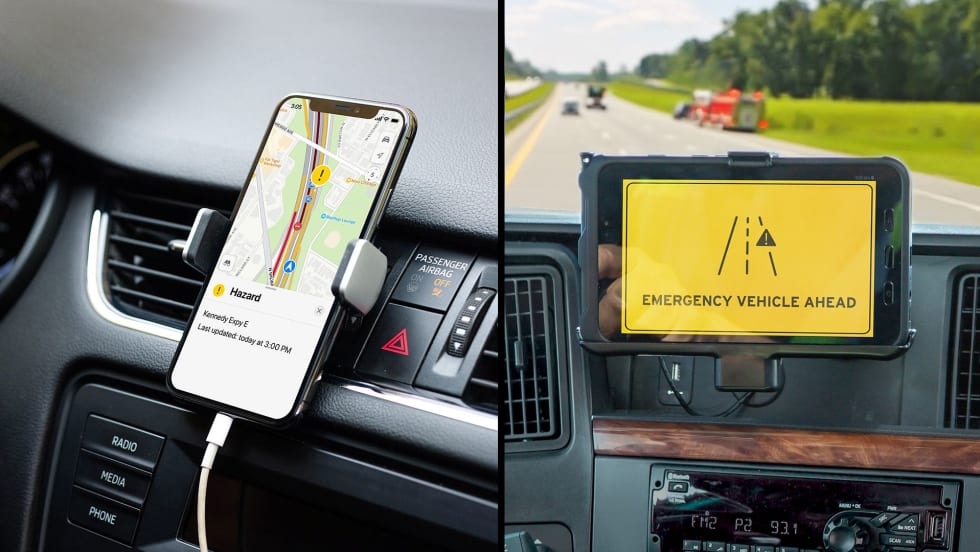
Fleetworthy and HAAS Alert Expand Partnership Stopped Truck Protection Alerts
Fleetworthy and HAAS Alert expanded their partnership to deliver real-time digital alerts that warn motorists when commercial trucks are stopped roadside and notify truck drivers when approaching emergency responders.
Read More →
New Entrants, Chameleon Carriers, and Safety: Is It Too Easy to Start a Trucking Company?
More than 100,000 new trucking companies enter the industry each year, but regulators manage to audit only a fraction of them. That churn creates opportunities for inexperienced startups — and for “chameleon carriers” that shut down after safety violations and reappear under new identities. Read more from Deborah Lockridge in this commentary.
Read More →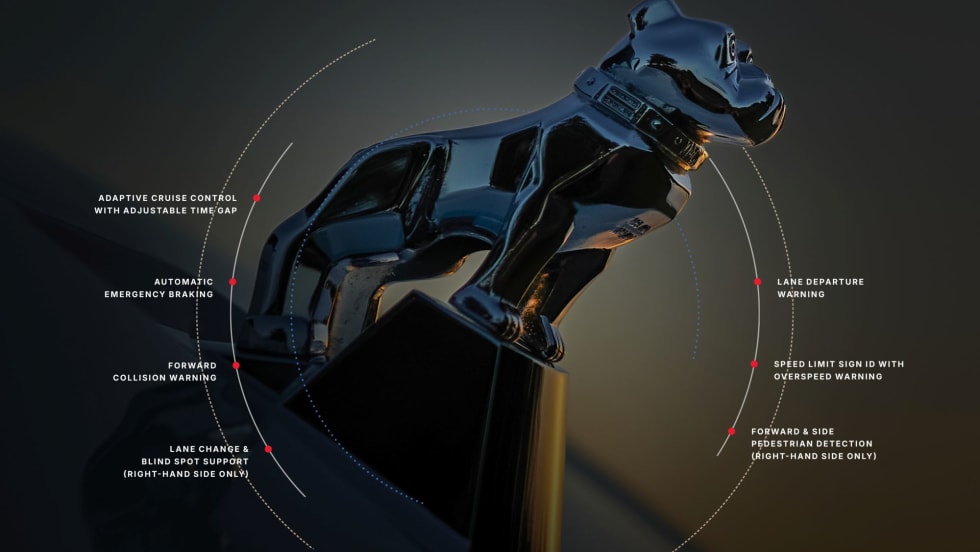
Mack Introduces Mack Protect Collision Mitigation System for MD Series
Mack Trucks has expanded its proprietary Mack Protect collision mitigation platform to the Mack MD Series, bringing heavy-duty safety technology to medium-duty trucks operating in urban and regional environments.
Read More →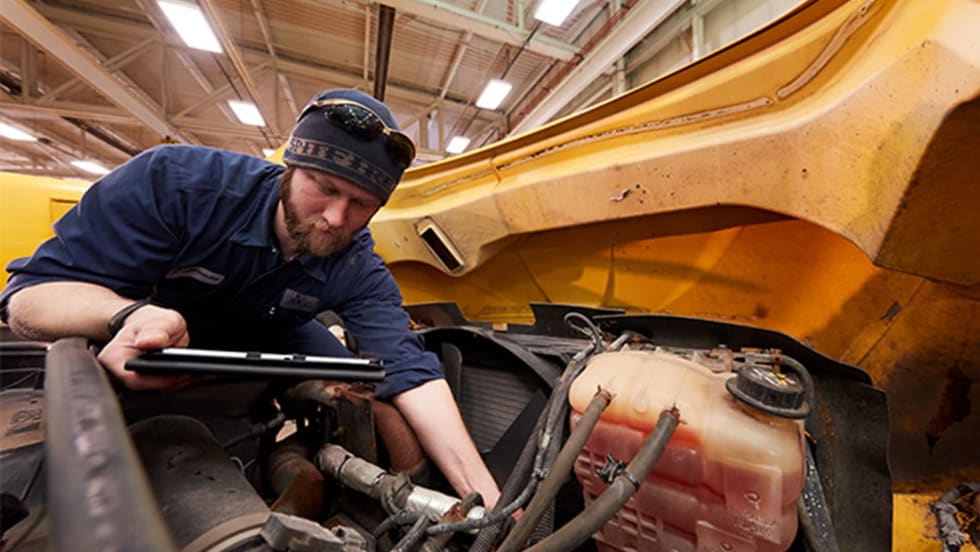
Smarter Maintenance Strategies to Keep Trucks Rolling
In today’s cost-conscious market, fleets are finding new ways to get more value from every truck on the road. See how smarter maintenance strategies can boost uptime, control costs and drive stronger long-term returns.
Read More →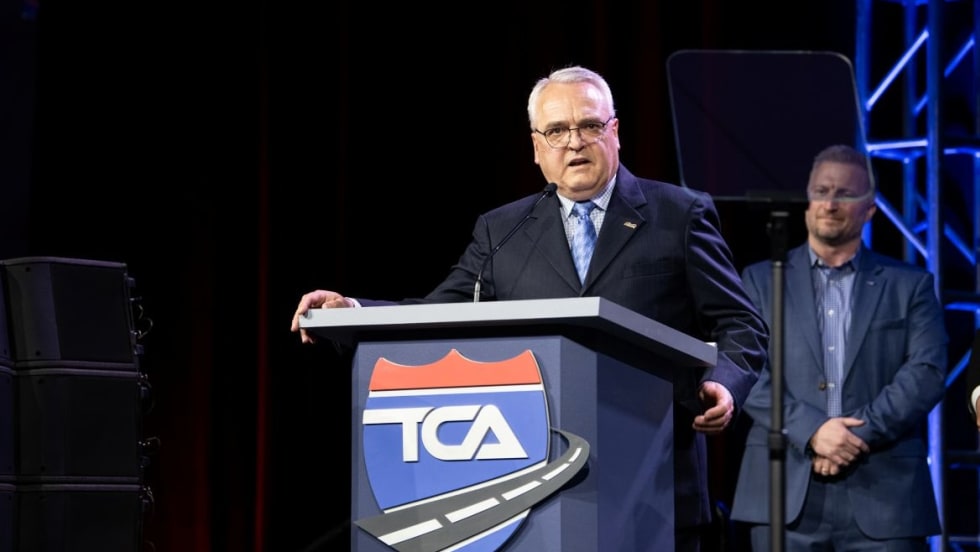
Bison Transport, Mill Creek Motor Freight Win TCA Fleet Safety Awards Grand Prize
Two Canadian fleets earned the Grand Prize in the Truckload Carriers Association’s 2025 Fleet Safety Awards, recognizing the industry’s top safety performance based on accident frequency and safety programs.
Read More →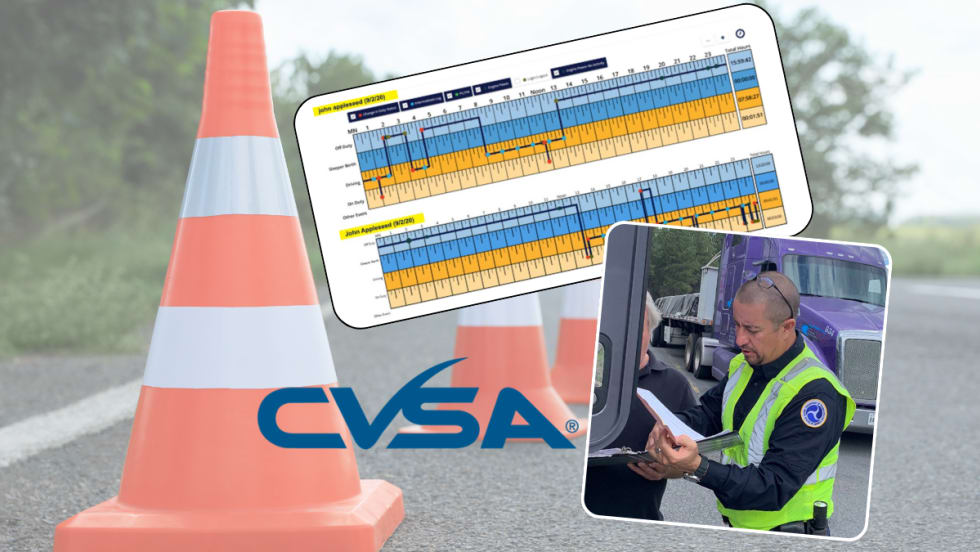
CVSA Issues New Inspection Guidance on ELD Tampering, False Logs
New guidance for commercial vehicle inspectors distinguishes between more traditional logbook violations and tampered ELD data that can result in mandatory 10-hour out-of-service orders.
Read More →
FMCSA Reinstates Field Warrior ELD to Registered Device List
One electronic logging device has been reinstated to the FMCSA's list of registered ELDs.
Read More →