




Hours Rule Advances to Office of Management and Budget
The revised hours of service rule moved one step closer to publication yesterday when the Department of Transportation sent its proposed revisions to the White House Office of Management and Budget for review
The revised hours of service rule moved one step closer to publication yesterday when the Department of Transportation sent its proposed revisions to the White House Office of Management and Budget for review.
OMB typically takes up to 90 days to finish its work. At that point the proposed rule goes back to DOT for final touches and forwarding to the Federal Register for publication, a process that can move quickly. So it is possible that publication could come as late as February, although it may happen sooner.
The proposal was originally scheduled to be published Oct. 28 but, as is common with federal rules, the process has taken longer than expected.
The Federal Motor Carrier Safety Administration is revising the rule in order to resolve a long-running legal fight with Public Citizen, the Teamsters union and other groups.
Twice since 2003 these groups won rulings in which the court ordered the agency to tighten work hours, and each time the agency came back with a defense of the rule. Then in 2009 the agency reversed course, agreeing to revisit the rule while Public Citizen suspended its suit. Public Citizen reserved the right to renew its suit if it does not like the new rule.
The details of the proposed changes will remain sealed until publication, but trucking interests are on high alert based on what FMCSA proposed in earlier stages of the rulemaking process.
Among other changes, the agency said it is leaning toward cutting driving time from 11 to 10 hours a day. It also proposed giving drivers a one-hour break during the day by limiting actual duty time within the 14-hour driving window to 13 hours. Another significant change would modify the 34-hour restart to include two periods between midnight and 6 a.m., to be used only once a week.
The trucking and shipping community believe these changes would not improve safety and would add significant costs to doing business. American Trucking Associations is prepared to sue if the agency goes ahead as it has proposed, and has been gathering support on Capitol Hill.
Republicans in Congress have been highlighting the revision as an example of excessive government regulation.
House Speaker John Boehner, Ohio, and Majority Leader Eric Cantor, Va., asked President Obama to withdraw the pending rewrite and stick with the current rule, saying that by doing so he can avoid adding a $1 billion regulatory burden.
Rep. John Mica, R-Fla., chairman of the House Transportation and Infrastructure Committee, and three of his Republican colleagues on the committee, told Obama in a letter that they will "aggressively oversee" new regulatory burdens. Mica has since declined to say what specific steps he would take.
Sen. Kelly Ayotte, R-N.H., introduced a measure to block the rewrite, but that amendment did not make it into the transportation appropriations bill that the Senate passed this week.
More Drivers

New Independent Contractor Rule Gives Trucking More Clarity
The Labor Department is once again changing how it determines who's an independent contractor. This time, the rule includes specific examples addressing trucking safety requirements, CDLs, and lease-purchase agreements.

Catching Driver Fatigue is One Thing. What You Do Next Matters Just as Much
Fleets are getting better at detecting driver drowsiness. Few have figured out what should happen next, and that gap is where the real risk still lives.
133 ELDs Revoked as ATA Pushes Certification Reform
FMCSA just removed a record number of electronic logging devices from its registry. ATA says it's time to rethink how ELDs get approved in the first place.


CVSA Sets 2027 International Roadcheck Dates
The annual 72-hour truck inspection blitz will take place May 11–13 across North America. Here's what fleets can expect and what inspectors found during the 2026 event.

FDA Eases Path for Oral-Fluid Testing
Federal actions could advance oral-fluid drug testing for truck drivers, but lab certification delays and marijuana rescheduling questions remain.

Why Hiring Truck Drivers Is Getting Harder
Higher recruiting costs, a shrinking driver pool, and renewed pay competition are raising the stakes for fleets heading into 2027.
Roehl Offers Truck Drivers $10,000 Retention Incentive
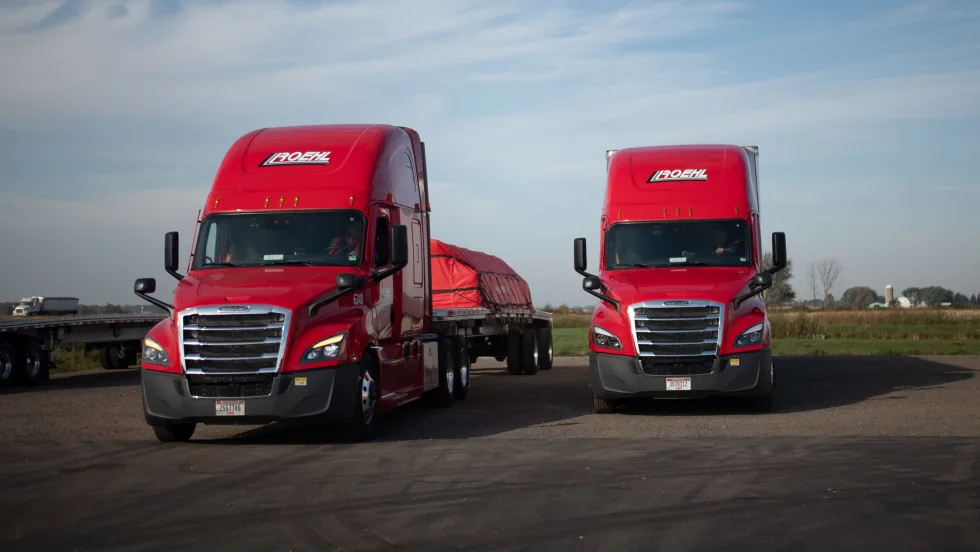
Payments begin after the first load and continue in mileage-based installments for eligible experienced drivers joining the fleet.
Platform Science Adds Dispatch and Safety Tools
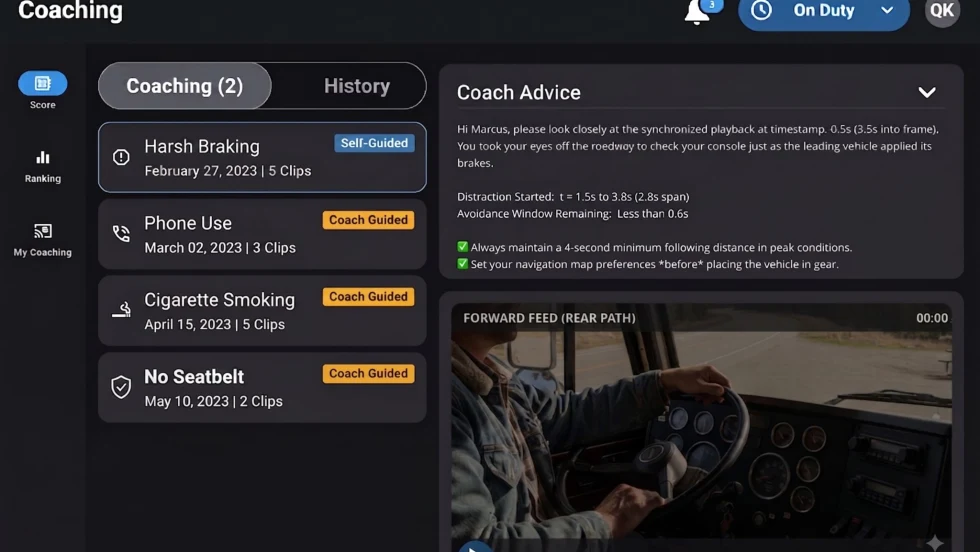
Four additions to PS Fleet help fleets monitor loads, manage driver coaching, share truck locations and adjust video system settings.

When Language Stops the Truck: The Return of ELP Out-of-Service Orders
English language proficiency rules for commercial drivers aren’t new, but renewed out-of-service enforcement has raised the stakes. Here’s what carriers need to know before a driver reaches a roadside inspection.

Samsara Launches Custom AI Agent Builder
Agent Studio lets fleets create AI tools for hours-of-service monitoring, reporting and driver support, including agents that communicate by phone.