




Holiday Highway Safety Tips Offered By Top ATA Truck Drivers
From snow-packed mountain passes to bone-chilling winds on the plains, the professional truck drivers of the American Trucking Associations (ATA) have learned how to handle whatever nature tosses at them in the wintertime
From snow-packed mountain passes to bone-chilling winds on the plains, the professional truck drivers of the American Trucking Associations (ATA) have learned how to handle whatever nature tosses at them in the wintertime.
Now, with snowflakes really flying in parts of the U.S., they offer their common-sense advice on how they and motorists can safely share the road this winter.
-- If you must travel in bad winter weather, begin with a "walk around" of your vehicle before leaving your driveway. Check your tires, wipers and fluids, radiator and heating system. You can prevent many of the problems that strand motorists on the side of the road.
-- Slow down. Increase your following distance substantially in snow and ice to help with braking and ease visibility problems from spraying snow and ice.
-- Expect the unexpected. Try to avoid situations where you have to make a quick move; your car may not stop or turn the way you want it to.
-- If your car is equipped with anti-lock brakes, do not pump brakes in attempting to stop. The right way is to "stomp and steer."
-- Look further ahead in traffic than you normally do. Actions by cars and trucks will alert you quicker to problems and give you a split-second extra time to react safely.
-- Use low beam headlights for best visibility. Stop often to clean lights--especially taillights.
-- Be aware of a truck's blind spots and spray from snow or slush. If you can't see the truck driver in his or her mirrors, then the truck driver can't see you.
-- Always signal your intentions to change lanes well ahead of time. If a truck is signaling to change lanes, allow it space to do so. Often, it may have seen a wintertime hazard, or it is trying to avoid another vehicle.
-- Remember that trucks are heavier -- and especially in winter road conditions -- they take longer to safely respond and come to a complete stop, so avoid cutting quickly in front of them.
-- On highway entrance ramps, remember highway traffic has the right of way; maintain proper speed and use smooth merging techniques. Avoid slowing down in front of a truck at a ramp--all the more important in snowy and icy conditions.
-- Dress warmly. Make sure your cell phone is fully charged. Keep a "care package" in your vehicle. Include a snow shovel, a blanket, warm gloves, flashlight and batteries, some non-perishable snacks or food.
-- Understand that trucks cannot always stop to assist you, but most will use their radios to contact the police or highway patrol with your exact location if they see you are in trouble.
"Wintertime is a time for families to travel," said William Canary, ATA president and CEO, "All the more reason for all motorists to take that extra safety step so we can make it home safely to enjoy the holidays with family and friends."
More Safety & Compliance
A Camera Isn't a Safety Program. Here's What Brokers Are Screening for Now
Footage alone may not be enough to pass broker vetting processes. Here's what counts as a defensible safety program now.
Read More →
Marijuana and Trucking’s Drug-Testing Dilemma
Marijuana is getting stronger, laws are changing, and drug tests still can’t reliably establish impairment. What does that mean for truck drivers and the fleets that employ them?
Read More →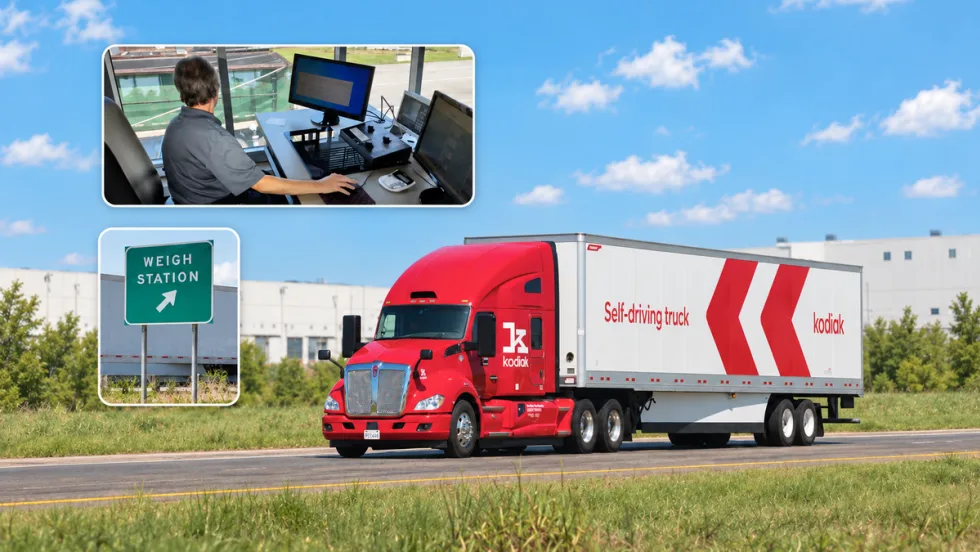
PrePass, Kodiak Connect Driverless Trucks to Roadside Enforcement
The system will allow enforcement agencies to verify Enhanced Inspection information and decide whether Kodiak’s autonomous trucks can bypass roadside screening sites.
Read More →

From One Generation to the Next: How Mentorship Builds Safer Truck Drivers
After three decades in trucking, Harold Perry shares what he's learned about driver safety, mentorship, and helping the next generation build confidence behind the wheel.
Read More →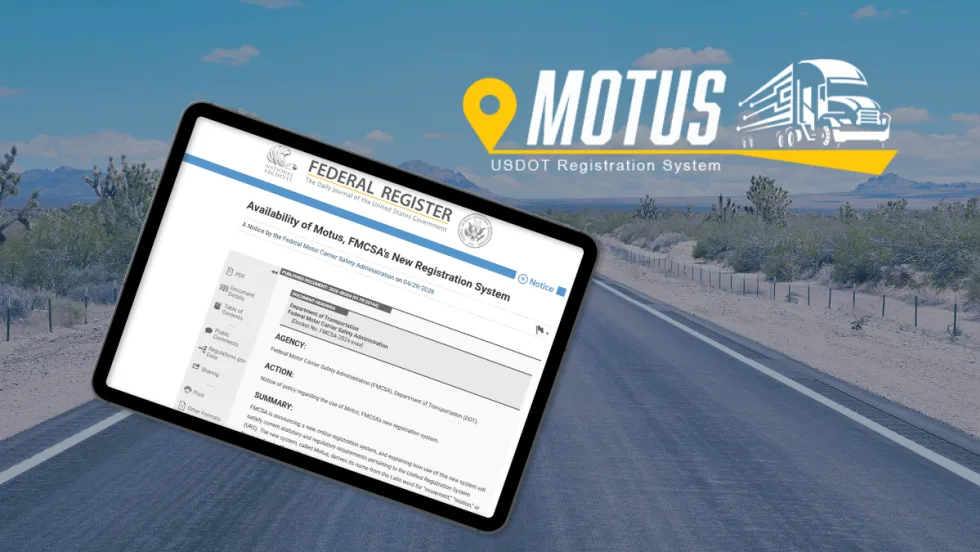
FMCSA Pauses Biennial-Update Enforcement Amid Motus Transition
Carriers whose updates were due on or after June 1 have more time, while FMCSA works to stabilize its new registration system and warns of phishing sites impersonating its new carrier registration system, Motus.
Read More →
ZF Expands Commercial Vehicle Push in North America
ZF is expanding its North American commercial-vehicle presence with new transmission applications, electrification, trailer technology and autonomous-driving systems.
Read More →
Truck Drivers Need More Than Another Alert
Fleets have more visibility into truck health, safety events, and driver activity than ever. The next challenge is turning all that information into useful guidance for the person who has to decide what to do next.
Read More →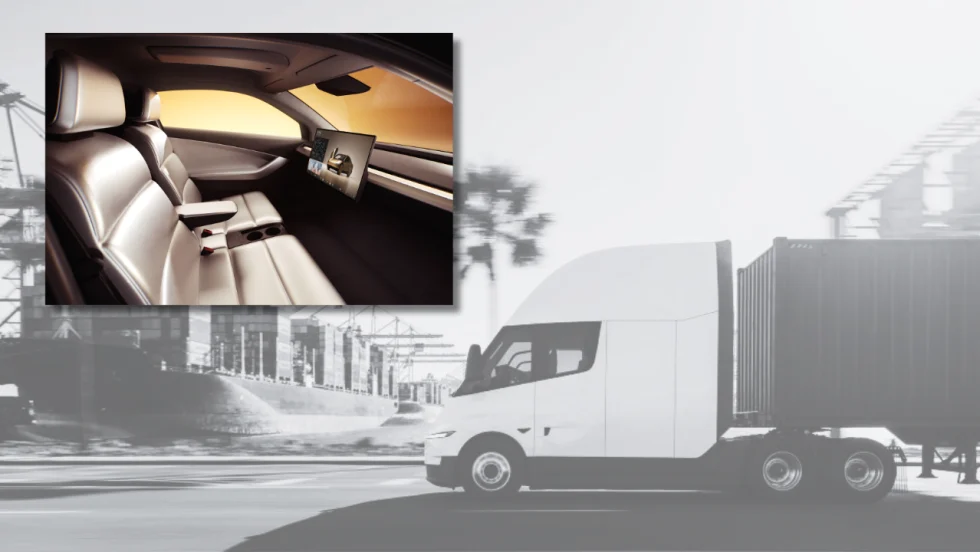
Tesla Wants a Self-Driving Semi. Are Cameras Enough?
Could Tesla’s camera-only autonomous driving technology work on an 80,000-pound Semi? In this commentary, HDT's Deborah Lockridge takes a look at Tesla, Cybercab, and how autonomous trucks see the road.
Read More →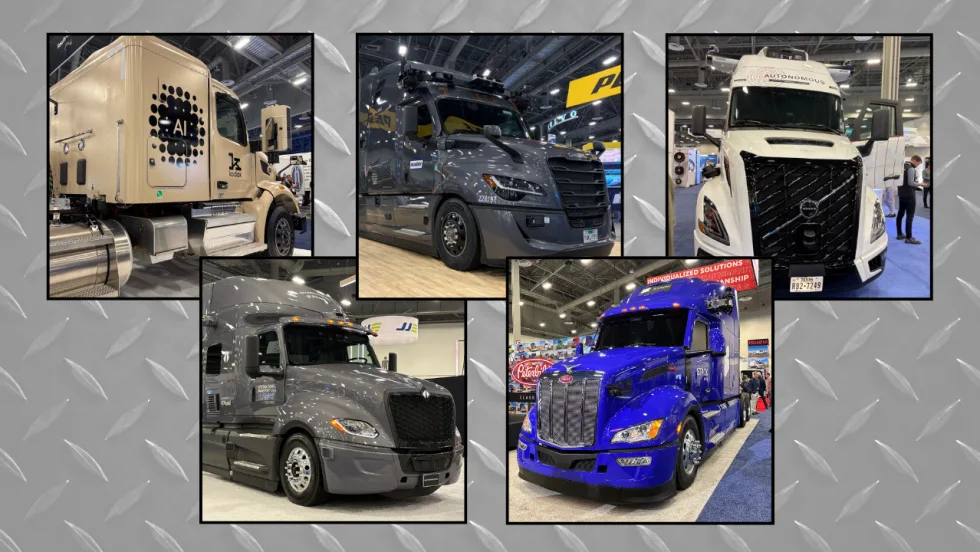
What DOT’s Automated Vehicle Strategy Means for Trucking
The U.S. Department of Transportation issued a new automated-vehicle strategy that outlines plans for driverless-truck regulations, cross-state freight corridors, and federal safety standards.
Read More →
NYC Expands Speed, Pedestrian Safety Tech Across Fleet
New York City is expanding intelligent speed assistance and pedestrian-alert systems across its municipal fleet, moving the technologies from pilot programs into vehicle procurement and retrofit requirements.
Read More →