




Hoffa Calls for Truck Safety at Ports
Teamsters General President James Hoffa has challenged Congress to pass the Intermodal Equipment Safety and Responsibility Act of 2003, (HR 2863)
Teamsters General President James Hoffa has challenged Congress to pass the Intermodal Equipment Safety and Responsibility Act of 2003, (HR 2863).
At the port of Newark, N.J., this week, Hoffa and International Longshoremen's Assn. President John Bowers directed attention to mechanic Ronny Capri, who demonstrated the difficulty of safe chassis inspection.
"Once a year the wheels on these chassis have to be removed and inspected to insure they are safe," said Capri. "You can't certify a chassis as roadworthy with a drive-by inspection. Truck drivers are not trained or equipped to do the inspection. The problem can be solved by providing routine preventative maintenance at the terminal to insure that drivers are given safe equipment to begin with."
The current practice at maritime ports is to forgo the preventative maintenance and wait until the brakes or bearings fail. This policy has lead to a rash of deadly but preventable accidents in which innocent motorists fall victim.
Hoffa cited the recent $23.5 million award to the family of a New Jersey physician killed on Route 17 in Bergen County in a crash caused by the failure of the brakes in a Port of Newark truck chassis. Also in the last two months, eight people were killed in Chicago, six near Long Beach, Calif. and one in Texas all because of equipment failure.
"When we can avoid these kinds of tragedies -- it can no longer be called an accident," said Hoffa.
HR 2863, the bill currently before Congress, will require that all chassis sent out onto the highways have a record of inspections and repairs including the repair history. Any chassis needing repair will be red tagged and quarantined. And it will be a violation of law to assign an unsafe chassis to a port driver.
Seeking to improve truck safety by supporting this legislation has brought together the Teamsters, the International Longshoremen's Assn. and the American Trucking Assns.
More Safety & Compliance

Marijuana and Trucking’s Drug-Testing Dilemma
Marijuana is getting stronger, laws are changing, and drug tests still can’t reliably establish impairment. What does that mean for truck drivers and the fleets that employ them?
Read More →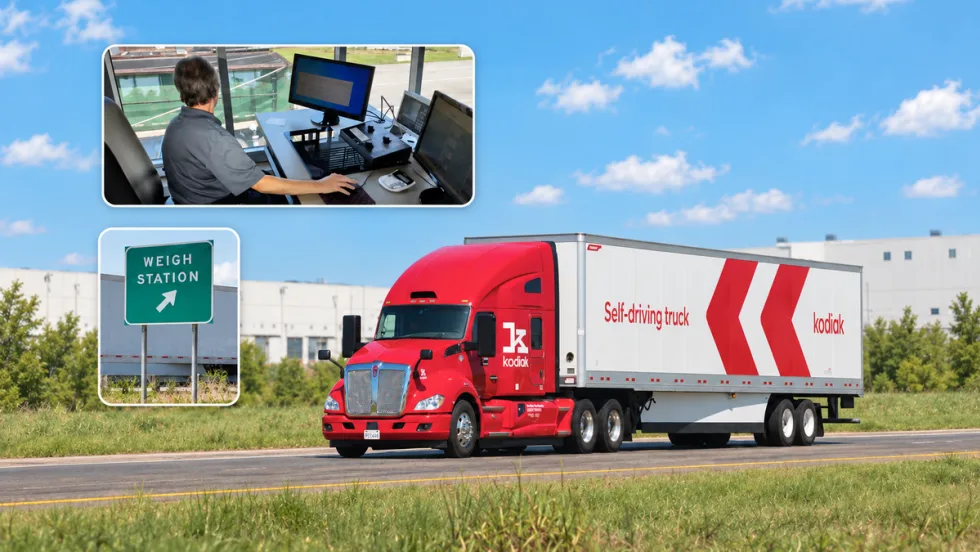
PrePass, Kodiak Connect Driverless Trucks to Roadside Enforcement
The system will allow enforcement agencies to verify Enhanced Inspection information and decide whether Kodiak’s autonomous trucks can bypass roadside screening sites.
Read More →
From One Generation to the Next: How Mentorship Builds Safer Truck Drivers
After three decades in trucking, Harold Perry shares what he's learned about driver safety, mentorship, and helping the next generation build confidence behind the wheel.
Read More →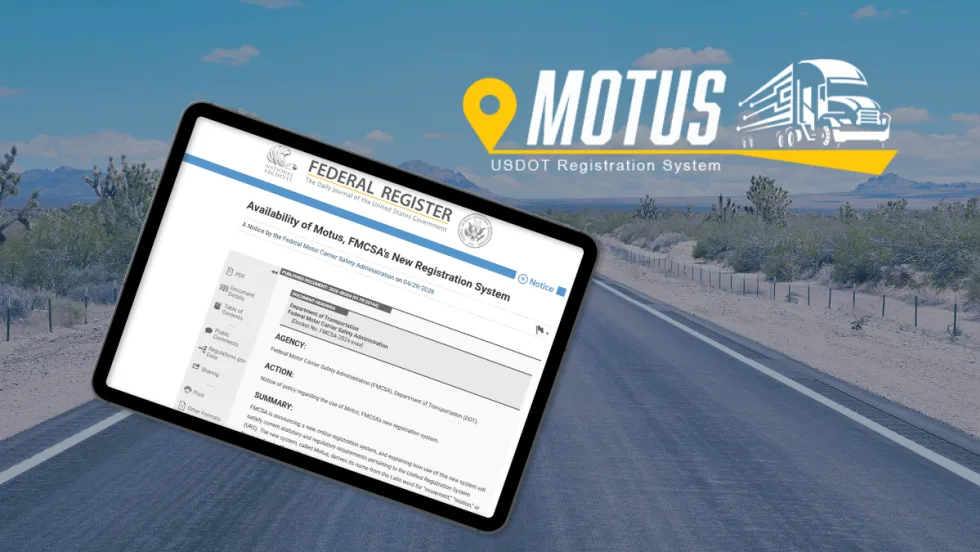
FMCSA Pauses Biennial-Update Enforcement Amid Motus Transition
Carriers whose updates were due on or after June 1 have more time, while FMCSA works to stabilize its new registration system and warns of phishing sites impersonating its new carrier registration system, Motus.
Read More →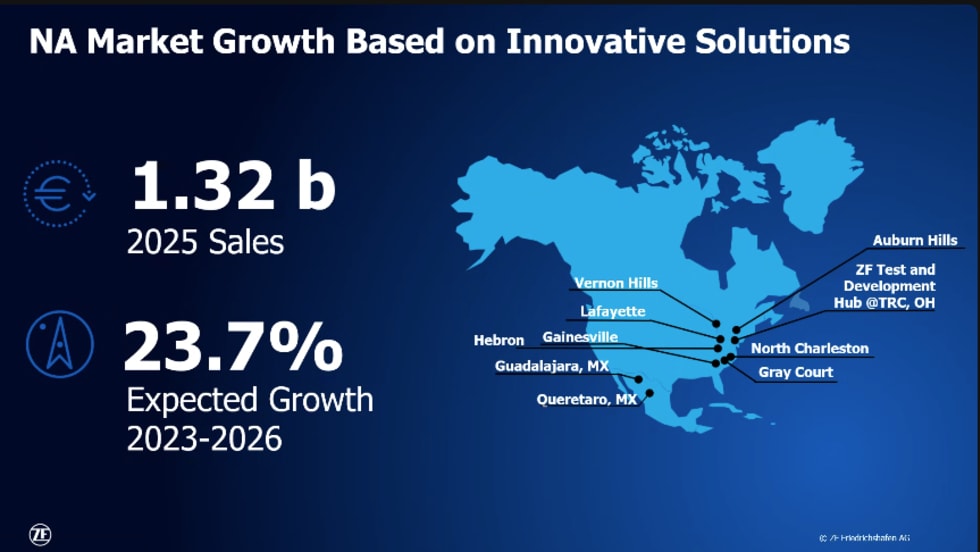
ZF Expands Commercial Vehicle Push in North America
ZF is expanding its North American commercial-vehicle presence with new transmission applications, electrification, trailer technology and autonomous-driving systems.
Read More →
Truck Drivers Need More Than Another Alert
Fleets have more visibility into truck health, safety events, and driver activity than ever. The next challenge is turning all that information into useful guidance for the person who has to decide what to do next.
Read More →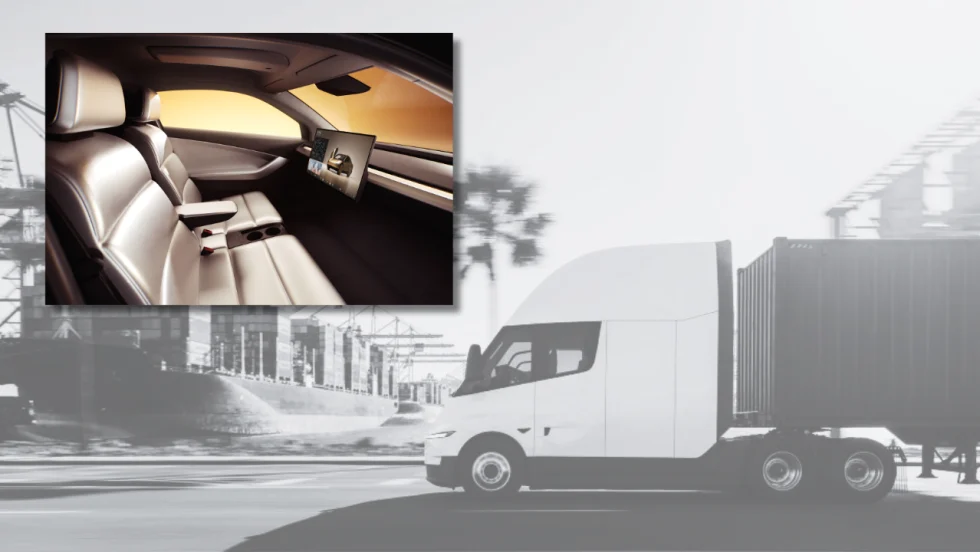
Tesla Wants a Self-Driving Semi. Are Cameras Enough?
Could Tesla’s camera-only autonomous driving technology work on an 80,000-pound Semi? In this commentary, HDT's Deborah Lockridge takes a look at Tesla, Cybercab, and how autonomous trucks see the road.
Read More →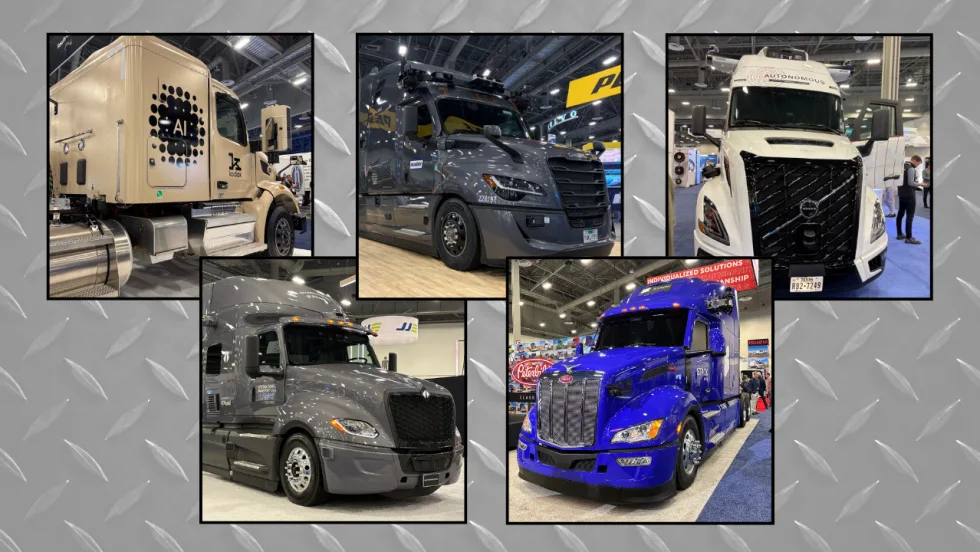
What DOT’s Automated Vehicle Strategy Means for Trucking
The U.S. Department of Transportation issued a new automated-vehicle strategy that outlines plans for driverless-truck regulations, cross-state freight corridors, and federal safety standards.
Read More →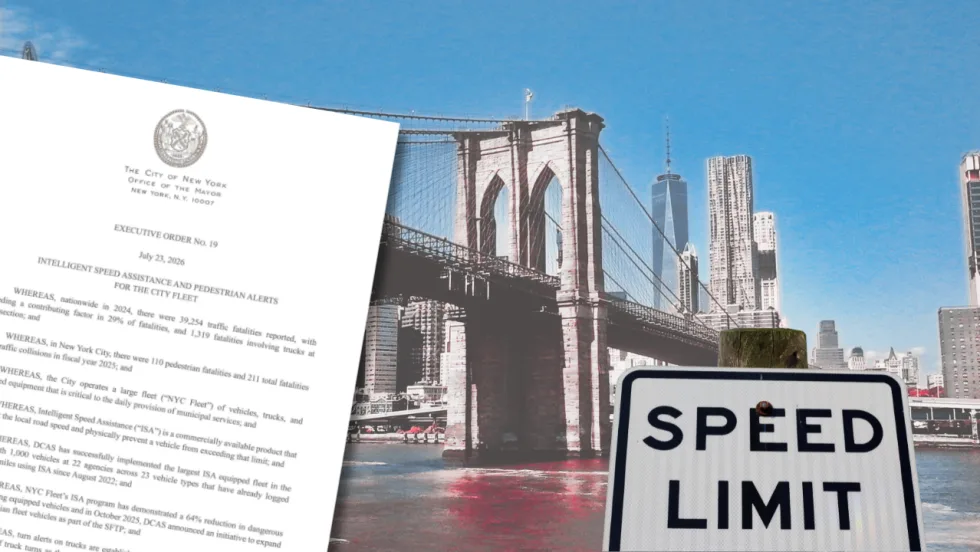
NYC Expands Speed, Pedestrian Safety Tech Across Fleet
New York City is expanding intelligent speed assistance and pedestrian-alert systems across its municipal fleet, moving the technologies from pilot programs into vehicle procurement and retrofit requirements.
Read More →
FMCSA Removes 110 Truck Driver Training Schools from Certified ELDT List
Federal regulators also are targeting more than 160 additional training providers and launching a nationwide audit of third-party CDL skills testers as part of a broader crackdown on trucking fraud.
Read More →