




Help on the Way For Sleep Disorder
A computer program that can detect potentially fatal episodes of sleep apnea may soon offer physicians an easier and cheaper way to diagnose their patients, according to a recent report in the Albany Times Union. Michael I.
A computer program that can detect potentially fatal episodes of sleep apnea may soon offer
physicians an easier and cheaper way to diagnose their patients, according to a recent report in the Albany Times Union.
Michael I. Savic, a sound specialist and engineering professor at Rensselaer Polytechnic Institute, is working to perfect the program, which was created by recording real cases
of the nighttime breathing disorder.
Sleep apnea tends to affect people who snore and is characterized by brief periods of being unable to breathe. The condition afflicts some 18 million Americans and is very common among truck drivers.
If successful, Savic's invention would allow physicians to diagnose their patients without expensive stays in hospital-based sleep centers.
"If it's suspected that someone has sleep apnea, instead of taking him to the hospital you send him home with a microphone and let him sleep," Savic told the Times Union.
Such a concept has a lot of potential, according to Dr. Douglas Phelps, the director of the Sleep Disorders Program at the Stratton Veterans Affairs Medical Center in Albany, NY which has been helping Savic collect data.
The project is a cooperative effort among physicians at the Albany Medical Center, the Stratton VA and Savic.
Sleep studies currently cost as much as $1,800, Phelps said.
"I think a lot of people who might have sleep apnea aren't being tested either because it's too expensive or too complicated," he said. "If there were something more portable ... there would be more testing and more cases found, and ultimately, our highways would be safer."
Savic's solution is a tiny microphone attached to a patient's pajamas.
The sound of snoring then gets recorded. The information is later plugged into a computer that can identify sound wave patterns associated with sleep apnea. Armed with this information, physicians could then quickly diagnose the condition and refer patients for appropriate care.
Savic's latest project draws on years of sound research and a long list of other successful machines, including a device used by Walt Disney to transform voices and a system used by the Texaco oil company to detect pipeline leaks.
Savic has six patents in his name and another 50 based on his work in sound and engineering. One of his latest projects, a device that can separate sounds, was sold to the Canadian government.
More Safety & Compliance

FDA Eases Path for Oral-Fluid Testing
Federal actions could advance oral-fluid drug testing for truck drivers, but lab certification delays and marijuana rescheduling questions remain.
Read More →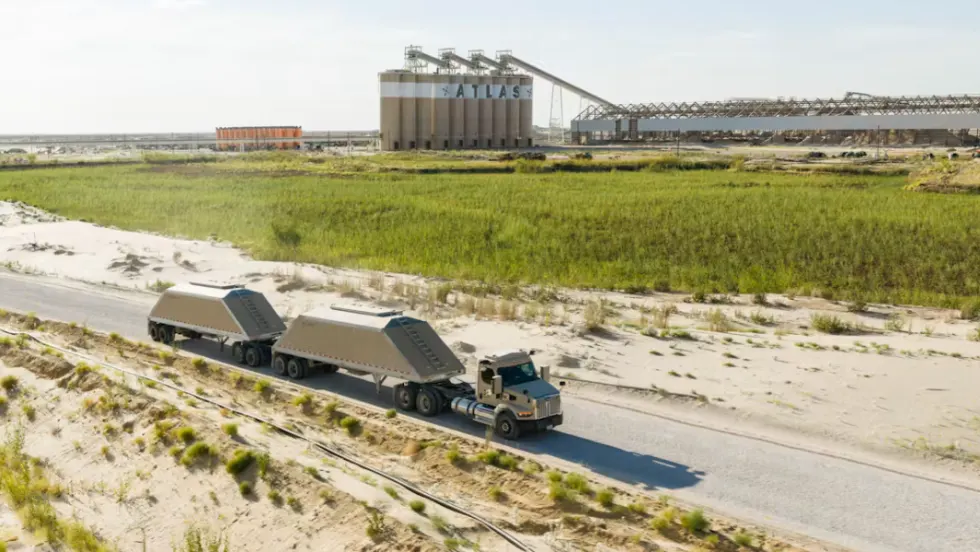
Kodiak Lines Up Fleets for Driverless Trucking
An agreement for 75 trucks, a new Texas freight lane, and progress on safety validation move Kodiak closer to its planned driverless highway launch.
Read More →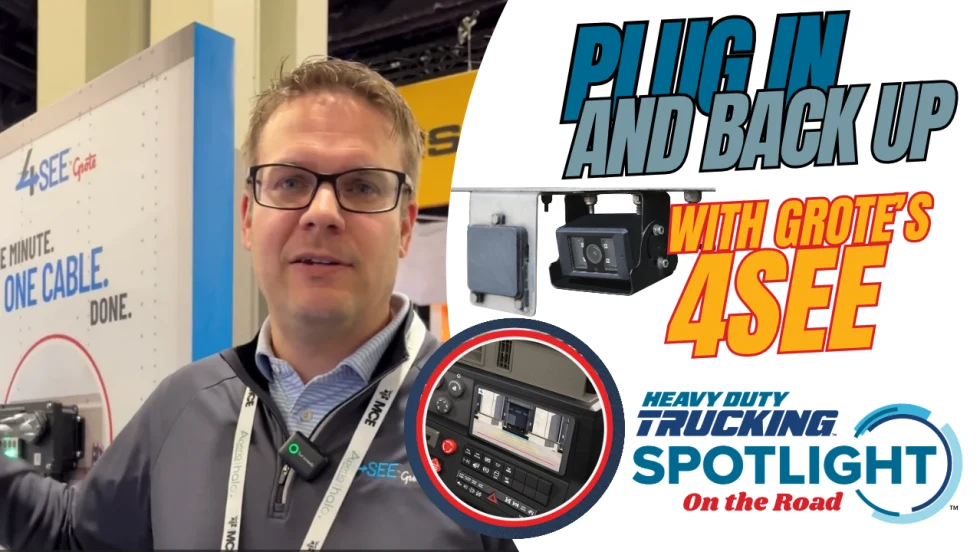
More Trailer Data Through the Same Seven-Way [Video]
Can trucking’s standard seven-way connector handle more cameras and trailer data? Grote’s Adam Slade shows HDT how the company is using new technology with its 4See trailer system, not only to add a new backup camera but also to expand other capabilities — without adding another connection.
Read More →
PrePass Intelligence Mines Fleet Bypass, Toll and Safety Data
PrePass Intelligence helps fleets measure bypass savings, flag potential toll overcharges, and spot suspicious transactions by combining data from separate systems.
Read More →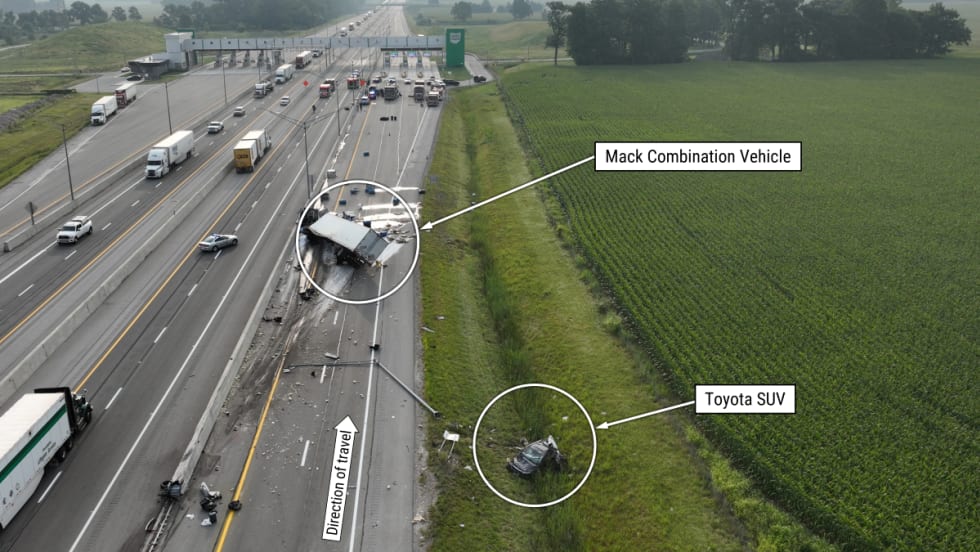
Fatal Crash Exposes Toll Plaza Risks
An NTSB investigation found that last-minute lane changes and large speed differences at an Ohio toll plaza created a hazard the truck driver couldn't avoid in time.
Read More →
When Language Stops the Truck: The Return of ELP Out-of-Service Orders
English language proficiency rules for commercial drivers aren’t new, but renewed out-of-service enforcement has raised the stakes. Here’s what carriers need to know before a driver reaches a roadside inspection.
Read More →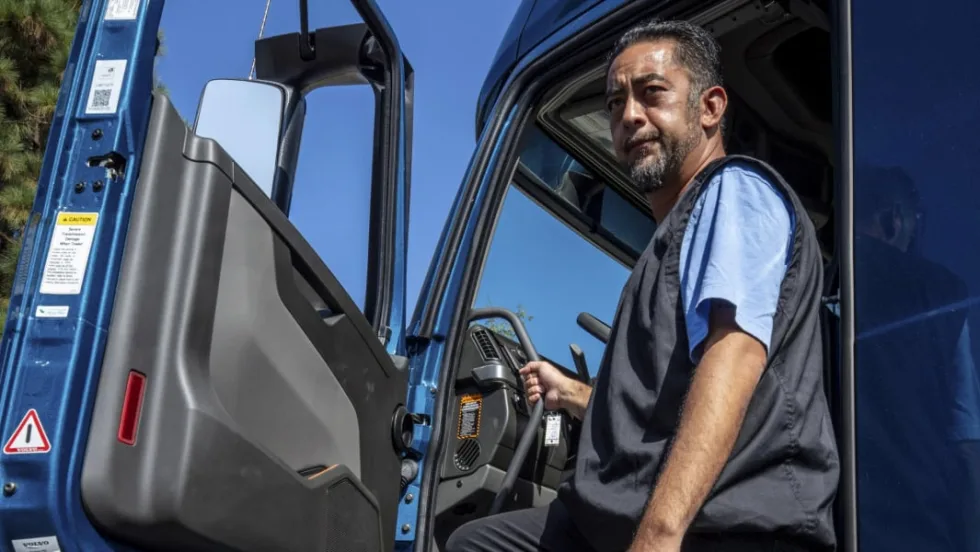
A Camera Isn't a Safety Program. Here's What Brokers Are Screening for Now
Footage alone may not be enough to pass broker vetting processes. Here's what counts as a defensible safety program now.
Read More →
Marijuana and Trucking’s Drug-Testing Dilemma
Marijuana is getting stronger, laws are changing, and drug tests still can’t reliably establish impairment. What does that mean for truck drivers and the fleets that employ them?
Read More →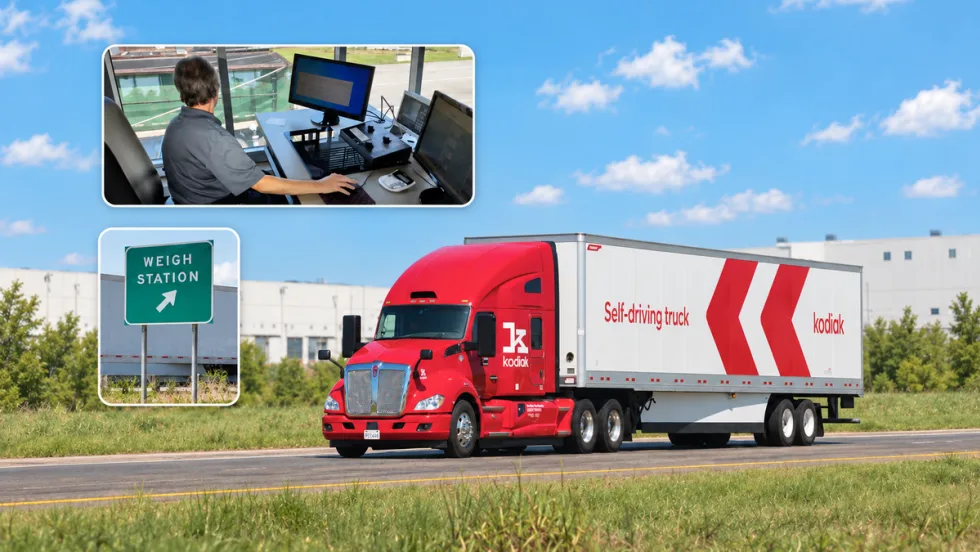
PrePass, Kodiak Connect Driverless Trucks to Roadside Enforcement
The system will allow enforcement agencies to verify Enhanced Inspection information and decide whether Kodiak’s autonomous trucks can bypass roadside screening sites.
Read More →
From One Generation to the Next: How Mentorship Builds Safer Truck Drivers
After three decades in trucking, Harold Perry shares what he's learned about driver safety, mentorship, and helping the next generation build confidence behind the wheel.
Read More →