




Group Crafts New Terminology to Describe Emerging Autonomous Vehicle Technology
The Consumer Technology Association, working in conjunction with leading automotive and trucking industry OEMs and suppliers, has worked out a “common lexicon” to help consumers better understand the terms and concepts associated with autonomous vehicle technologies.
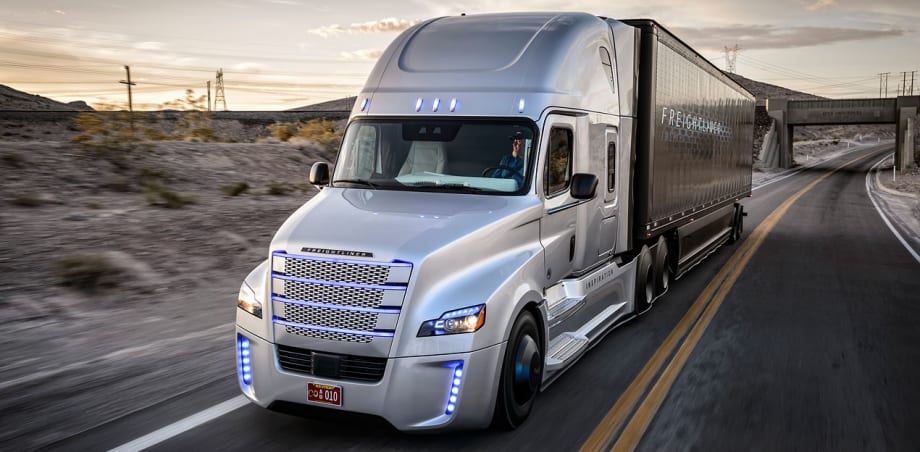
Daimler Trucks North America was one of 34 leading automotive companies that helped CTA compile its list of new technology terms.
Photo: Freightliner

With new technology comes new terminology to describe it. Which is why the Consumer Technology Association, working in conjunction with leading automotive and trucking industry OEMs and suppliers, has worked out a “common lexicon” to help consumers better understand the terms and concepts associated with autonomous vehicle technologies.
CTA bills itself an organization that promotes innovation and advocates for the entrepreneurs, technologists and innovators who mold the future of the consumer technology industry.
Among the terms and concepts addressed within the self-driving vehicle terminology:
Advanced Driver Assistance Systems (ADAS) or "Driver-Assist" Features: Onboard systems developed to improve safety and performance. Examples include lane departure warnings, collision avoidance, adaptive cruise control and automatic braking
Aftermarket Technology: Technology services or upgrades provided by companies – unaffiliated with the vehicle manufacturer – added after a vehicle is sold or leased
Driving Environment Sensing: The capturing, processing and analysis of sensor data (e.g., cameras, radar, LIDAR) to enhance or replace what a human driver senses
MaaS (Mobility as a Service): The shift from personal ownership of transportation modes to shared transportation systems and services
Platooning: Synchronous operation of multiple vehicles, often in a convoy, to increase road capacity and efficiency
Self-Driving Vehicle: A vehicle capable of fully modeling its environment through an array of sensors, maps and other data in order to navigate and drive without human interaction
Urban Mobility: The ability for people in urban and suburban areas to access all modes and forms of transportation.
"From developments in advanced driver-assist systems to new mobility models, we are together leading a revolution in the transportation sector," said Jessica Nigro, manager, Outreach and Innovation Policy at Daimler and chair of CTA's Self-Driving Working Group. "A common lexicon will increase understanding amongst policymakers, consumers and other stakeholders and encourage sound policies to bring automated driving technology to market."
More Equipment
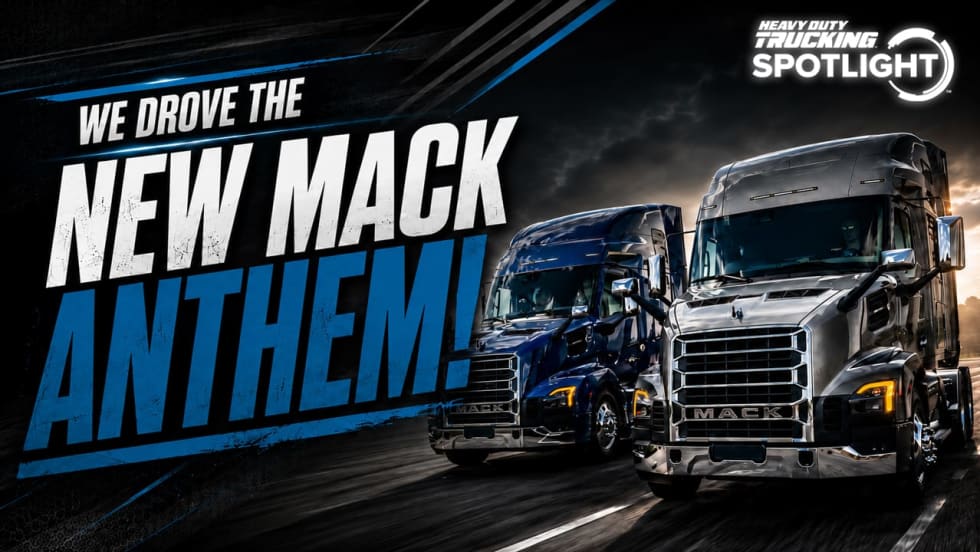
Behind the Wheel of the New Mack Anthem [Video]
HDT takes the new Mack Anthem around Mack’s Pennsylvania test track to see how its driver-focused design, technology, visibility and handling perform from behind the wheel.
Read More →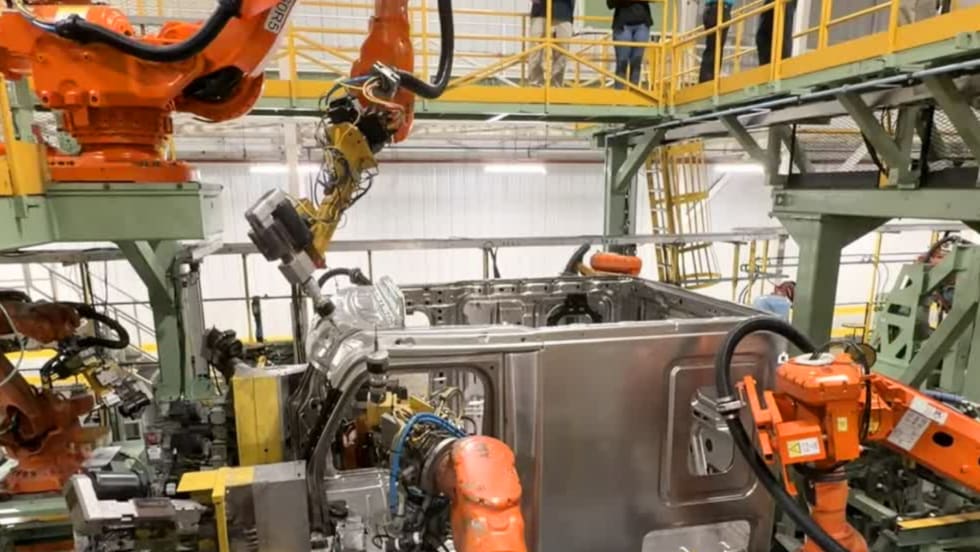
DTNA Plans New U.S. Truck Plant as Manufacturing Footprint Shifts
Daimler Truck North America is evaluating sites for a new assembly plant expected to open in 2029 while winding down operations at its longtime Portland manufacturing facility.
Read More →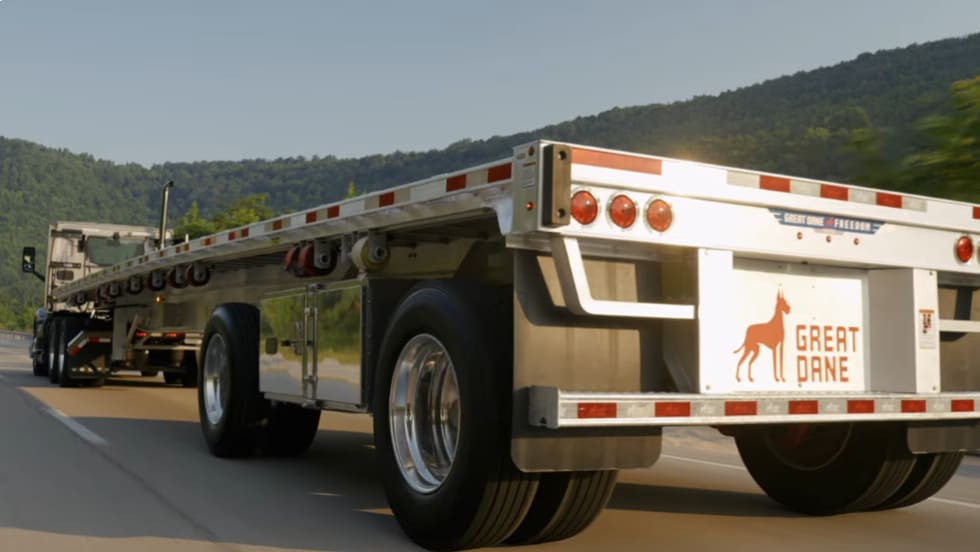
Great Dane Flatbed Trailer Offers Light Weight and Strength
Freedom Ultra is designed for a wide range of open-deck applications, including building materials, lumber, machinery, steel products, industrial freight, and coil hauling.
Read More →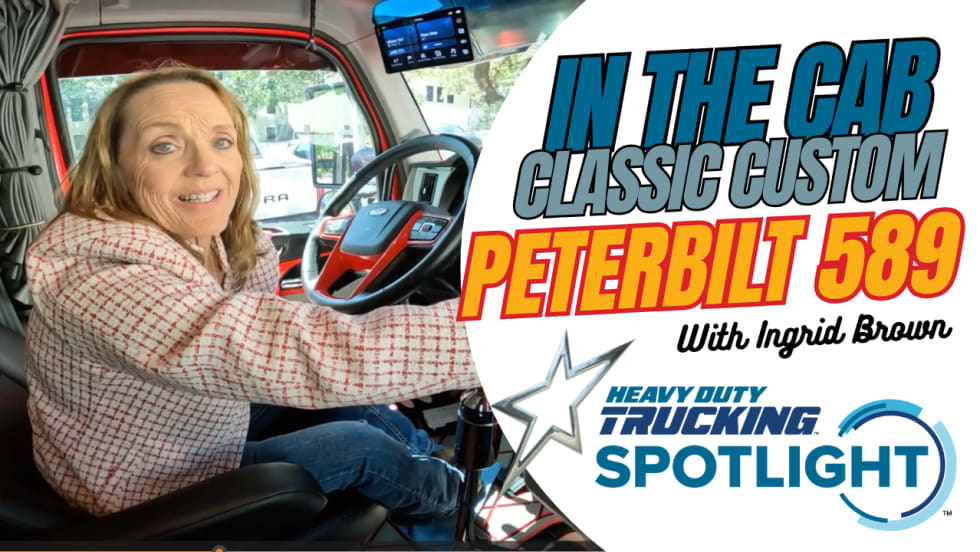
What It's Like Inside this Custom 2025 Peterbilt 589?
Take a driver's-eye tour of this customized 2025 Peterbilt 589 in this video, as longtime driver Ingrid Brown explains its features, compares it to previous models, and shares plenty of personality along the way.
Read More →
Drivers Put Western Star Trucks to the Test at Star Nation Experience
Watch to get an inside look at the Western Star trucks, technology, and community behind the Star Nation Experience 2026!
Read More →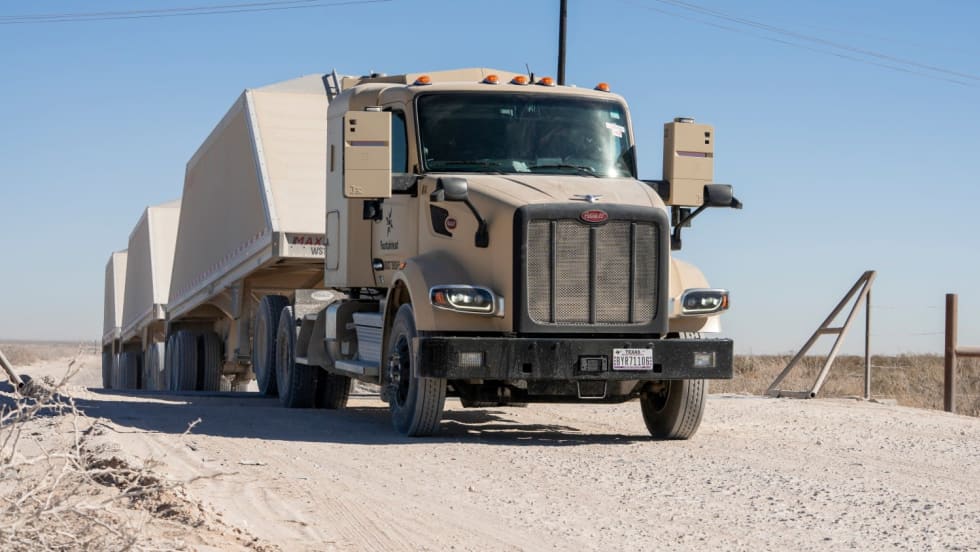
Atlas Expands Kodiak Driverless Truck Fleet in Permian Basin
Atlas Energy Solutions is expanding autonomous frac sand hauling in the Permian Basin with a second load-out location and plans for 100 driverless trucks by mid-2027.
Read More →
Putting Mack’s Command Steer to the Test
A test drive of Mack’s Command Steer active steering system evaluates how it can make truck driving easier and less tiring.
Read More →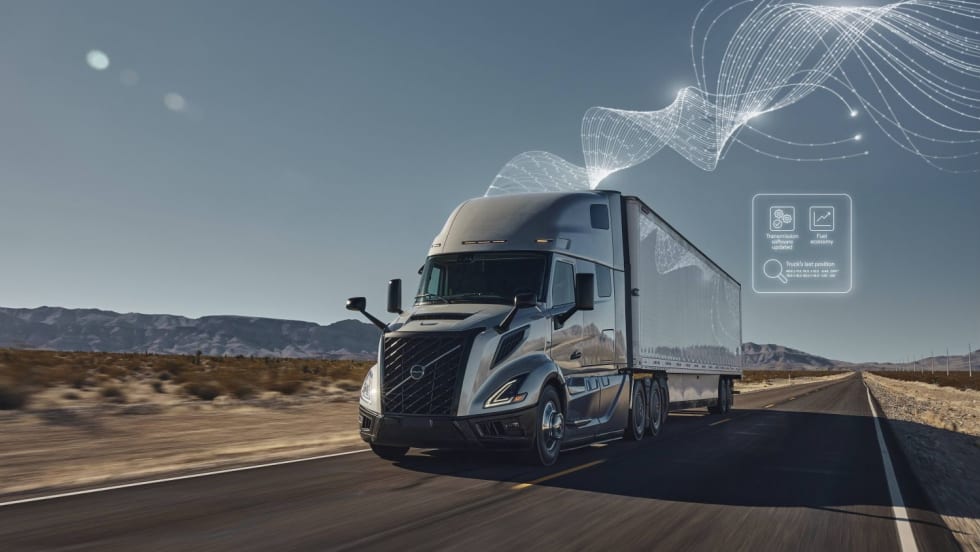
Mack, Volvo Expand DEF Derate Software Updates
The updated software gives Mack and Volvo truck owners more time to address DEF-related issues before the engine derates or the vehicle goes into reduced-speed inducement, following new EPA guidance.
Read More →
Rush, MCT Team Up to Grow Refrigeration Service Network
The joint venture will operate MCT's network of Carrier Transicold dealerships and mobile service locations, with the companies promising greater service capacity and uptime for refrigerated fleets.
Read More →
Cummins Adjusts 2027 Engine Rollout After EPA Proposal
The engine maker will gradually introduce its new Model Year 2027 diesel engines while continuing to offer current models during the transition, citing the EPA's proposed emissions rule changes.
Read More →