




GM to Expand CNG Offerings in Vans, Pickups
General Motors will offer bi-fuel versions of the 2015 Chevrolet Silverado and GMC Sierra heavy-duty trucks and dedicated compressed natural gas versions of the 2014 Chevrolet Express and GMC Savana full-size passenger vans next year.

With the 2015 Silverado 3500 customers can chose from gasoline, CNG or diesel power.
General Motors will offer bi-fuel versions of the 2015 Chevrolet Silverado and GMC Sierra heavy-duty trucks and dedicated compressed natural gas versions of the 2014 Chevrolet Express and GMC Savana full-size passenger vans next year.
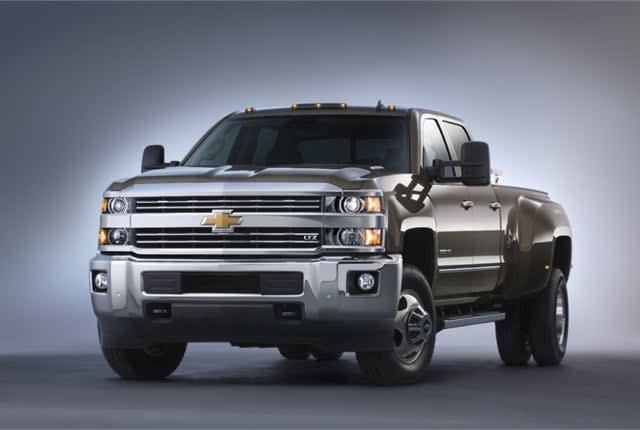
With the 2015 Silverado 3500 customers can chose from gasoline, CNG or diesel power.
The vehicles were announced today at the Green Fleet Conference & Expo in Phoenix, Ariz., which focuses on clean technologies and alternative-fuel vehicles for fleet operations.
“With these new vehicles, General Motors offers the most comprehensive lineup of manufacturer-engineered, validated and warranted CNG vehicles, helping fleet managers manage their budget and reduce their carbon footprint,” said Ed Peper, vice president for GM Fleet and Commercial sales in the U.S. “Natural gas is less costly at the pump and significantly reduces carbon dioxide emissions, compared to other liquid fuels.”
The bi-fuel versions of Silverado HD and Sierra HD – which run on either gasoline or natural gas – expand the range of available configurations to 2500HD and 3500HD pickup models in all cab styles and 2WD and 4WD drivetrains, he said. Equipment is like that used on current bi-fuel HD pickups.
The 2014 Express and Savana passenger vans join a dedicated CNG lineup that includes cargo versions of the vehicles.
The CNG fuel tanks and complementing fuel systems used in the trucks and vans are installed by GM’s tier one supplier at a secondary location and delivered to customers from Chevrolet and GMC dealerships. The vehicles are fully validated and warranted by GM.
The trucks’ 6-liter V-8 engine features special hardened valves and valve seats that enables it to run on CNG or gasoline. Separate fuel tanks enable the driver to switch between. The system automatically switches to gasoline when the CNG tank is depleted.
“These vehicles meet the rigorous GM standards for safety, reliability and durability,” said Peper. “They’re backed by a comprehensive five-year/100,000-mile transferable powertrain limited warranty, too, meaning we back these vehicles for the long haul.”
All major components associated with the CNG systems have GM service part numbers for broad availability through what GM claims is the largest dealer network in the United States.
Production for the bi-fuel trucks and CNG vans is scheduled to begin early next year. The order and delivery process for the vehicles is the same as ordering any other vehicle option. Orders will be accepted closer to the start of production.
The 2014 CNG versions of the Chevrolet Express and GMC Savana passenger vans join CNG cargo vans that GM has offered for several years. The passenger vans offer seating for up to 15 people, plus room for their cargo.
The vehicles are built with the same gaseous fuel-ready 6-liter V-8 as the bi-fuel Silverado and Sierra trucks, but equipped with dedicated CNG fuel systems. They are available in three- or four-tank models on cargo vans and exclusively with the three-tank design on the passenger van models.
The new CNG passenger vans offer an approximately 200-mile driving range, as do three-tank versions of the cargo vans. With the four-tank configuration, the range on the cargo vans extends to approximately 300 miles.
Natural gas is produced in the U.S. and burns clean with fewer carbon emissions than petroleum fuels, GM officials noted. Gas costs about half the price of gasoline or diesel, which helps pay off upcharges for the vehicle equipment and fueling stations.
More Fuel Smarts

Electric Yard Tractors Move Beyond Pilots
Operating-cost savings have overtaken sustainability goals as the leading reason surveyed fleets are adopting battery-electric terminal tractors, according to new NACFE research.
Read More →
Geotab Links Fleet Card to Vehicle Data
The new card combines fuel discounts with telematics-based purchase controls. Geotab’s analysis also points to potential savings from choosing lower-priced fuel stops.
Read More →
Fleet Economics Shape Electric Truck Outlook
ACT Research expects costs, charging infrastructure, and technology improvements to drive zero-emission commercial vehicle adoption as federal regulations and incentives retreat.
Read More →

Wex Adds Cardless Fuel Payments for Over-the-Road Customers
A new fuel card feature for Wex customers offers convenience and security.
Read More →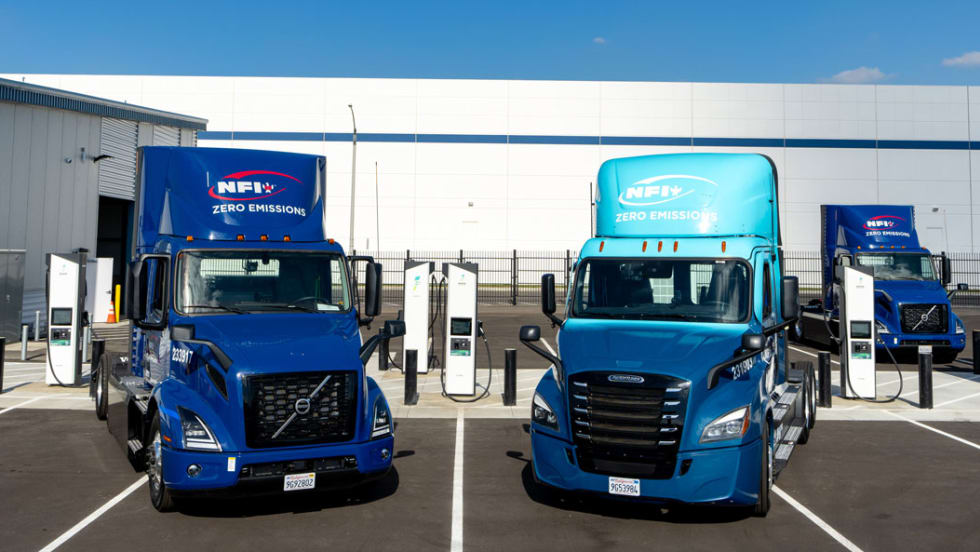
New California Law Could Shed Light on Electric Truck Prices
Why do battery-electric Class 8 trucks remain so expensive? A California bill signed by Gov. Gavin Newsom would give fleets and state agencies more visibility into what manufacturers charge.
Read More →
How Volvo Updated Its D13 for EPA 2027 [Watch]
Volvo’s updated D13 promises lower emissions without sacrificing performance or fuel economy. Take a closer look at what changed inside the engine in this HDT Spotlight video.
Read More →
Diesel Price Spike Shortens Payback for Natural Gas Trucks, Report Says
Energy Vision estimates fleets could recover the higher purchase price of an RNG-fueled Class 8 tractor in 1.3 to 2.8 years under current fuel-price scenarios.
Read More →
Calstart Becomes Catalyst Mobility, Reflecting Broader Focus
Calstart is now Catalyst Mobility, reflecting the nonprofit’s growing national role in clean transportation, including zero-emission trucks, infrastructure and incentive programs.
Read More →
Record Diesel Prices Squeeze Trucking Fleets
Average U.S. diesel prices have climbed to nearly $6 a gallon, surpassing the 2022 record as tight refinery capacity and Middle East disruptions keep fuel costs elevated.
Read More →
How Fuel Delivery Shapes Engine Performance
Fuel delivery depends on more than what happens at the injector. For fleet, maintenance and technical professionals, looking at the full path from pump to injector can provide useful context for understanding engine performance.
Read More →