




GDP Improves Following Revision, Consumer Confidence Up
The U.S. economy performed better than previously thought during the third quarter of the year, while consumer confidence bounced back in November
The U.S. economy performed better than previously thought during the third quarter of the year, while consumer confidence bounced back in November.
The U.S. Commerce Department reported on Tuesday the gross domestic product increased at a healthy 4% annual rate during the summer.
This latest reading, which is considered the best broad measure of the country?s economic heath, compares to a 3.1% growth rate estimated a month ago.
"The increase was due to increased spending reported for state and local governments, mostly school construction, single family homes, capital goods exports, consumer goods imports and, especially, inventory held by non-durable manufacturers and distributors," said Newport Communications Senior Economist Jim Haughey.
He said all of these revisions had previously been reported separately, so the large GDP revision was expected. The revised figure contained nothing surprising to affect truck equipment or freight.
"This continues the year-long pattern of economic growth alternating, quarter by quarter, between 1.5% and 4% growth," Haughey said. "It is likely to continue for two more quarters."
He is predicting current quarter GDP growth to be 1.5-2%, due to weak spending in September that got the fourth quarter started at a depressed level and created surplus consumer product inventories that are currently being absorbed by reducing production.
"This quarter will have a rising trend from October to December, setting up the first quarter of 2003 for 4% growth again," he said.
In a separate report from the private-research group The Conference Board, their Consumer Confidence Index rose from 79.6 in October to 84.1 in November, ending five straight months of declines.
Haughey noted consumer spending continued to rise during the five-month decline in the confidence index, except for the modest and brief spending decline in September.
“A small rise in the index signals only continued modest to average growth in spending,” he said. “Consumers have a better opinion of economic conditions in the future than in the present. This margin widened in November, probably because of the rising stock market and more international support for the U.S. demands on Iraq.”
Despite this better news, Haughey said the index remains very low for the current level of spending and month-to-month growth in spending.
“Consumers are cautious and concerned, ready to react quickly to bad news. It is the weak labor market that has consumers wary. They correctly sense that jobs are hard to get,” he said.
More Fleet Management

Jamie Hagen Gets Real About Running a Small Fleet in an Uncertain Economy
Small fleet owner Jamie Hagen says new legal risks, volatile fuel prices, and a changing freight market are forcing small carriers to rethink how they operate -- and what they can afford.
Read More →
Jamie Hagen Gets Real About Freight, Fuel Prices, Safety, and Small-Fleet Survival
Running a small trucking fleet right now isn’t easy, especially right now. And Jamie Hagen doesn’t sugarcoat it.
Read More →
Jamie Hagen Gets Real About Freight, Fuel Prices, Safety, and Small-Fleet Survival
Running a small trucking fleet right now isn’t easy, especially right now. And Jamie Hagen doesn’t sugarcoat it.
Read More →
Data Lock‑In or Integration Lock‑Out?
Data fragmentation is costing dealerships, OEMs, fleets, and upfitters millions. Here’s why interoperability may be the fix the trucking industry needs.
Read More →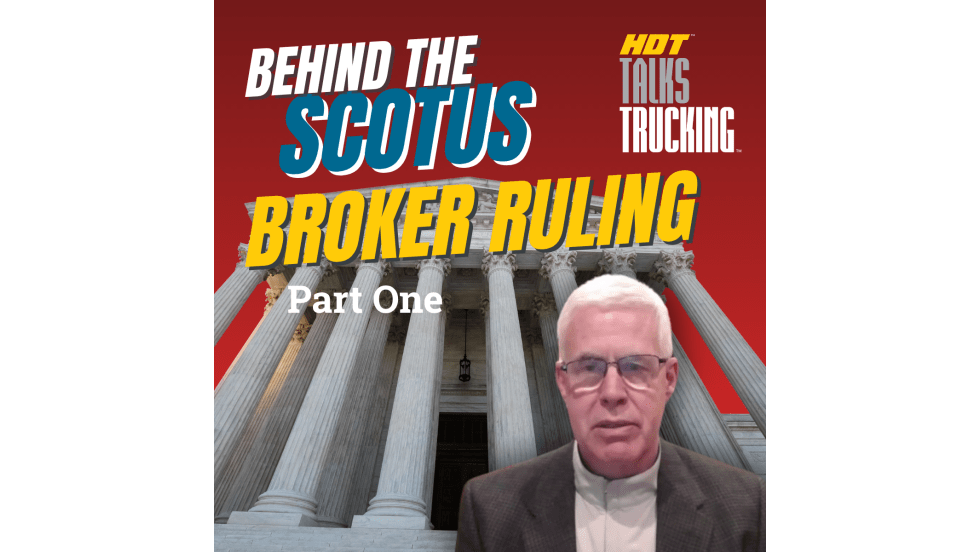
What Trucking Fleets and Brokers Need to Know About This Supreme Court Case
In May, the U.S. Supreme Court ruled that freight brokers can be held liable for damages if a truck they have contracted with is involved in an accident. Listen as this transportation attorney breaks down the ruling and its implications for the trucking industry.
Read More →
The Trucking Industry’s Threat Intelligence Gap
The trucking industry has no shortage of cybersecurity reports and cargo crime statistics. What it lacks is timely, operational intelligence that fleets can actually use.
Read More →
Truck Crash Rates Are Down. So Why Do Insurance Costs Keep Rising?
ATRI’s latest research points to litigation, social inflation, and soaring claims costs as key drivers behind record-high liability premiums for trucking fleets. But there are things motor carriers can do.
Read More →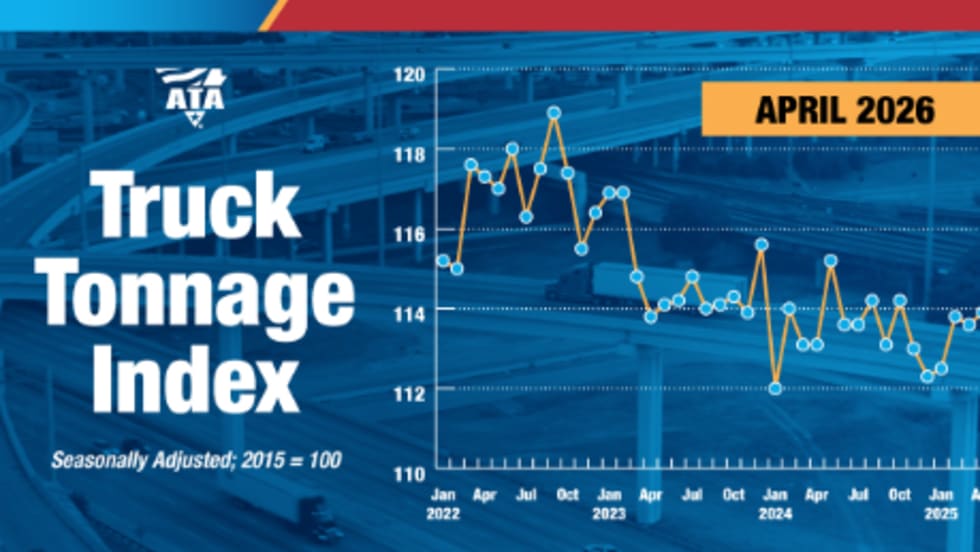
ATA Truck Tonnage Holds Steady in April at Highest Levels Since 2022
ATA’s For-Hire Truck Tonnage Index was unchanged in April after a strong March gain, with freight volumes remaining at their highest levels since late 2022.
Read More →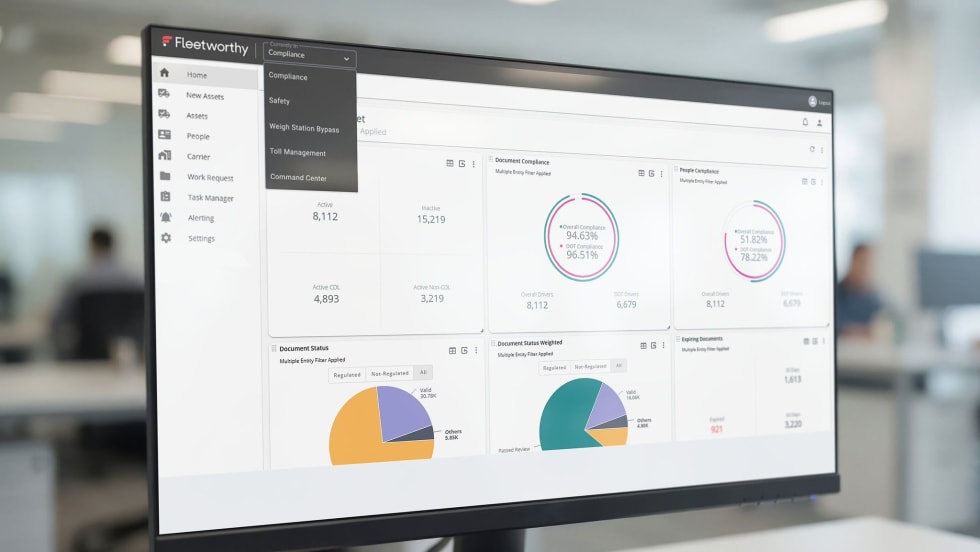
Fleetworthy Launches Connected Platform for Fleet Readiness Across Safety and Compliance, Toll Management, and Weigh Station Bypass
Fleetworthy has unveiled three major product launches it says mark a new era in fleet readiness.
Read More →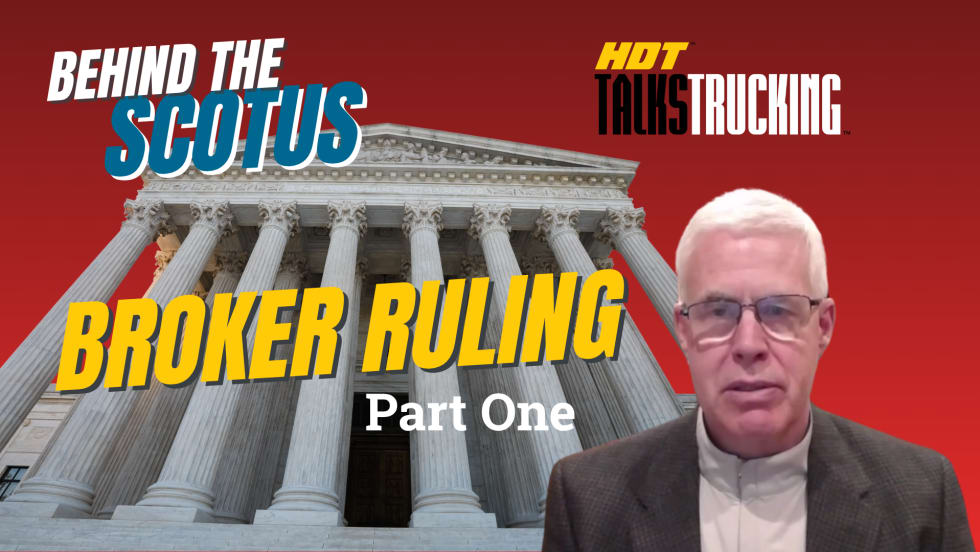
Behind the SCOTUS Broker Ruling Part 1
Transportation attorney Greg Feary breaks down the recent Supreme Court decision that brokers can be held liable for damages in truck accidents and what it means for the trucking industry going forward.
Read More →