




GAO Releases Report on Drug Use; ATA Urges Congressional Action
A report released Wednesday by the Government Accountability Office found that improvements to drug testing programs could better identify truckers who use illegal drugs and keep them off the road
A report released Wednesday by the Government Accountability Office found that improvements to drug testing programs could better identify truckers who use illegal drugs and keep them off the road.
In response, the American Trucking Associations is urging Congress to take swift action to authorize and fund a national database of drug and alcohol testing results of commercial drivers, a move it has been lobbying for and one that is among the GAO's recommendations.
Some of the problems the report found included:
* The Federal Motor Carrier Safety Administration's limited oversight resources
* The ease of subverting the urine test, either because collection sites are not following protocols or because drivers are using products that are widely available to adulterate or substitute urine specimens.
* Drivers not divulging past drug test history
* Carriers' failure to conduct thorough background checks on a driver's past drug testing history
* Self-employed owner-operators' failure to remove themselves from service.
GAO recommended strengthening the enforcement of safety audits for new carriers; additional authority to levy fines when collection sites do not follow federal protocols; banning products that allow drivers to cheat a drug test; and a national database of drug testing information.
"Trucking has worked diligently to eradicate drug and alcohol abuse from its work force. And we've made great progress in recent years," said ATA President and CEO Bill Graves. "But we are requesting additional help from the government since it is a federally required program involving significant federal oversight. Today's release of a Government Accountability Office report confirms the need for what ATA has been recommending for many years -- a national database of drug and alcohol test results."
Also, consistent with GAO's recommendations, ATA is asking Congress to ban the manufacture, sale and distribution of products that help some drivers evade drug tests; provide for penalties for those who use them; and give the U.S. Department of Transportation more authority to improve oversight of specimen collection facilities and practices.
To further improve the drug testing process, ATA also is urging Congress to direct the Substance Abuse and Mental Health Services Administration and the U.S. DOT to initiate a rulemaking that allows the testing of alternative specimens such as hair. Hair testing allows illegal drug use to be detected for a longer period of time.
ATA is also calling on the U.S. DOT to issue a new regulation creating a tougher audit process and enhanced penalties for new carriers entering the trucking business.
More Safety & Compliance
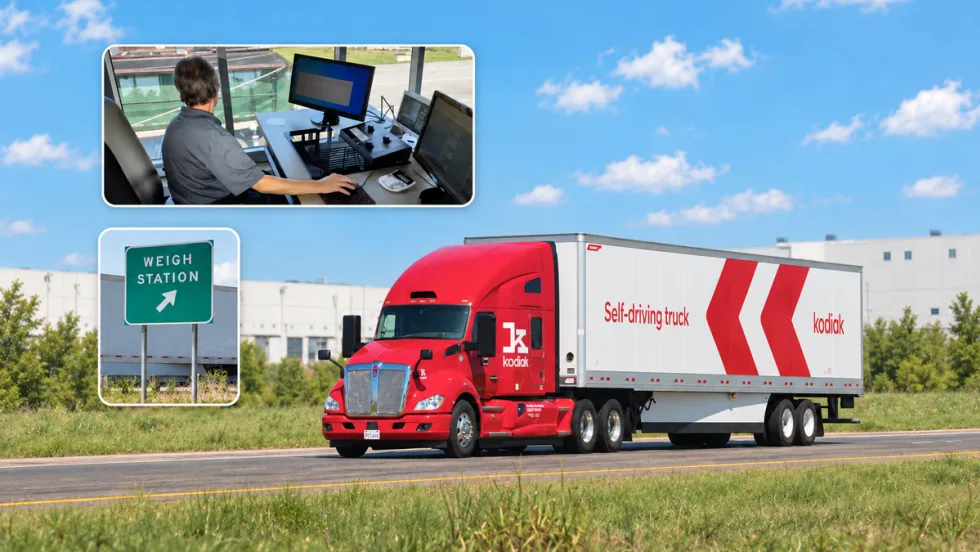
PrePass, Kodiak Connect Driverless Trucks to Roadside Enforcement
The system will allow enforcement agencies to verify Enhanced Inspection information and decide whether Kodiak’s autonomous trucks can bypass roadside screening sites.
Read More →
From One Generation to the Next: How Mentorship Builds Safer Truck Drivers
After three decades in trucking, Harold Perry shares what he's learned about driver safety, mentorship, and helping the next generation build confidence behind the wheel.
Read More →
FMCSA Pauses Biennial-Update Enforcement Amid Motus Transition
Carriers whose updates were due on or after June 1 have more time, while FMCSA works to stabilize its new registration system and warns of phishing sites impersonating its new carrier registration system, Motus.
Read More →
ZF Expands Commercial Vehicle Push in North America
ZF is expanding its North American commercial-vehicle presence with new transmission applications, electrification, trailer technology and autonomous-driving systems.
Read More →
Truck Drivers Need More Than Another Alert
Fleets have more visibility into truck health, safety events, and driver activity than ever. The next challenge is turning all that information into useful guidance for the person who has to decide what to do next.
Read More →
Tesla Wants a Self-Driving Semi. Are Cameras Enough?
Could Tesla’s camera-only autonomous driving technology work on an 80,000-pound Semi? In this commentary, HDT's Deborah Lockridge takes a look at Tesla, Cybercab, and how autonomous trucks see the road.
Read More →
What DOT’s Automated Vehicle Strategy Means for Trucking
The U.S. Department of Transportation issued a new automated-vehicle strategy that outlines plans for driverless-truck regulations, cross-state freight corridors, and federal safety standards.
Read More →
NYC Expands Speed, Pedestrian Safety Tech Across Fleet
New York City is expanding intelligent speed assistance and pedestrian-alert systems across its municipal fleet, moving the technologies from pilot programs into vehicle procurement and retrofit requirements.
Read More →
FMCSA Removes 110 Truck Driver Training Schools from Certified ELDT List
Federal regulators also are targeting more than 160 additional training providers and launching a nationwide audit of third-party CDL skills testers as part of a broader crackdown on trucking fraud.
Read More →
Beyond DOT Compliance: What Makes a Trucking Fleet Truly Safe?
A trucking fleet can follow every rule and still make unsafe decisions. The real test comes when safety conflicts with freight, productivity, or cost.
Read More →